In times of increasingly visible and urgent climate change, the debate on greenhouse gas emissions rarely starts with food, but it should. According to the FAO (2021), global food systems already account for one-third of [...]
WRITTEN BY COMIDA DO AMANHÃ
on 30/06/2025
|
In times of increasingly visible and urgent climate change, the debate on greenhouse gas emissions rarely starts with food, but it should. According to the FAO (2021), global food systems already account for one-third of greenhouse gas emissions, a burden that is measured not only in deforestation, but also in post-harvest losses, waste, and the distance traveled between production and consumption. In this vein, the Intergovernmental Panel on Climate Change (IPCC), in its special report Climate Change and Land (2019), consolidates key data on food and land use systems (AFOLU), estimating that, when emissions associated with pre- and post-production stages are considered, the global food system is responsible for 21% to 37% of net anthropogenic greenhouse gas emissions. According to this report, since 1961, population growth and increased per capita consumption of food, fiber, and energy have led to unprecedented rates of land and water use, with agriculture accounting for about 70% of global freshwater use. In Brazil, according to the Greenhouse Gas Emissions and Removals Estimation System (SEEG), these emissions exceed the global average and account for more than 73% of greenhouse gas emissions in 2021.
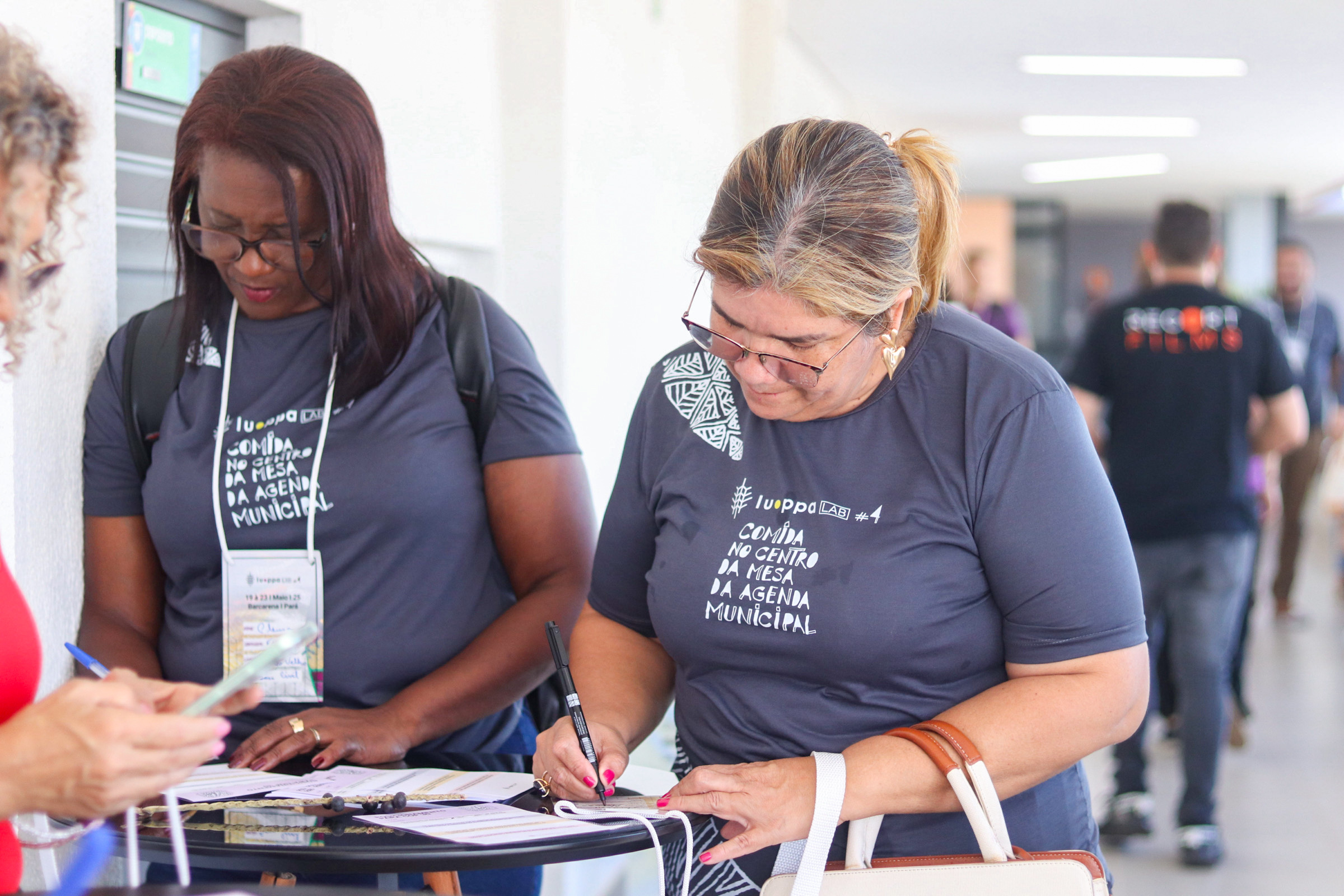
Despite this scenario, there is light at the end of the tunnel: in community kitchens, urban orchards, family farmers’ markets, and many other spaces, a silent but powerful climate agenda is pulsing. It is in this context that the Urban Laboratory for Public Food Policy (LUPPA) has inspired a network of Brazilian municipalities to place food at the center of solutions for a more resilient future for cities.
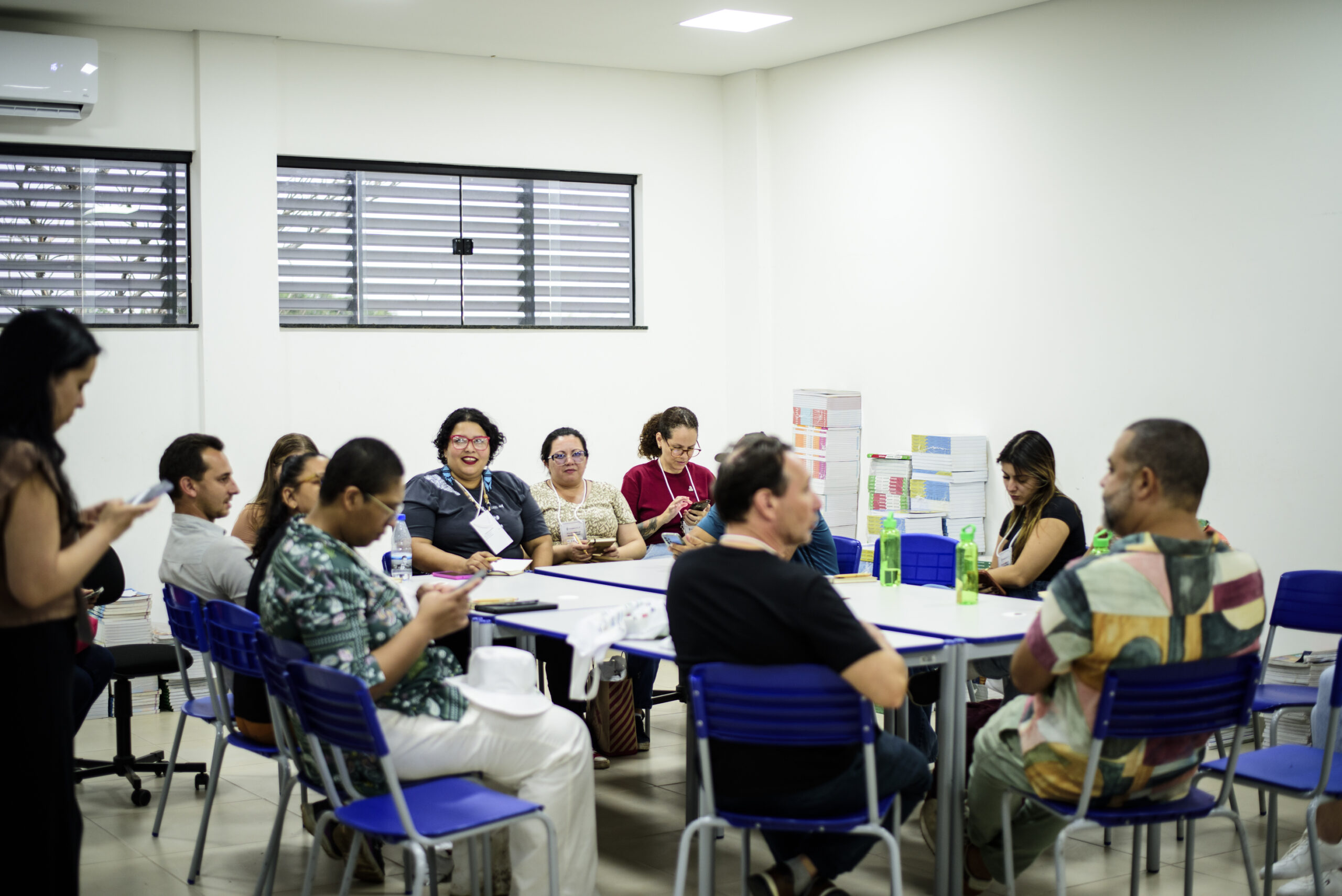
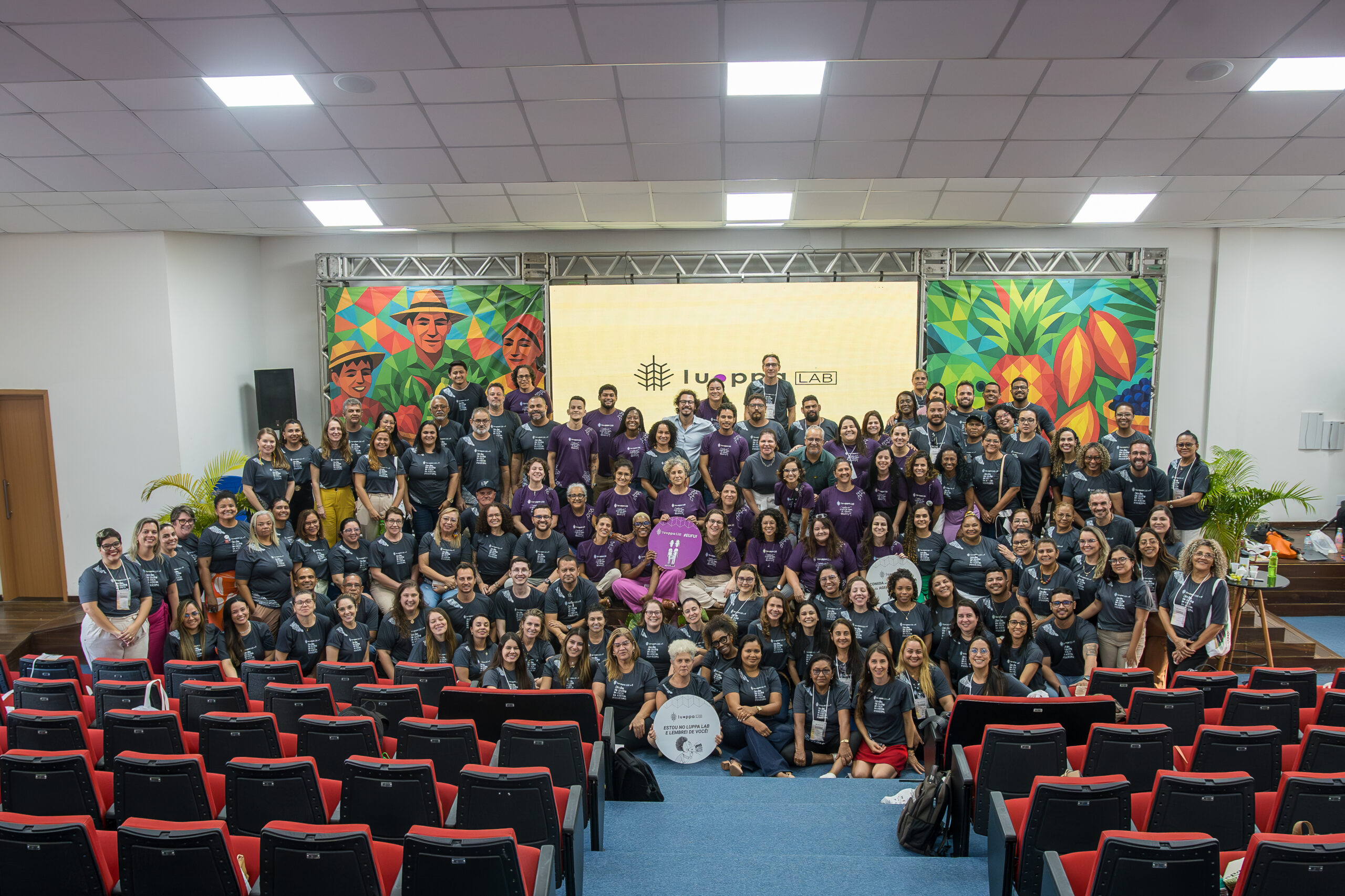
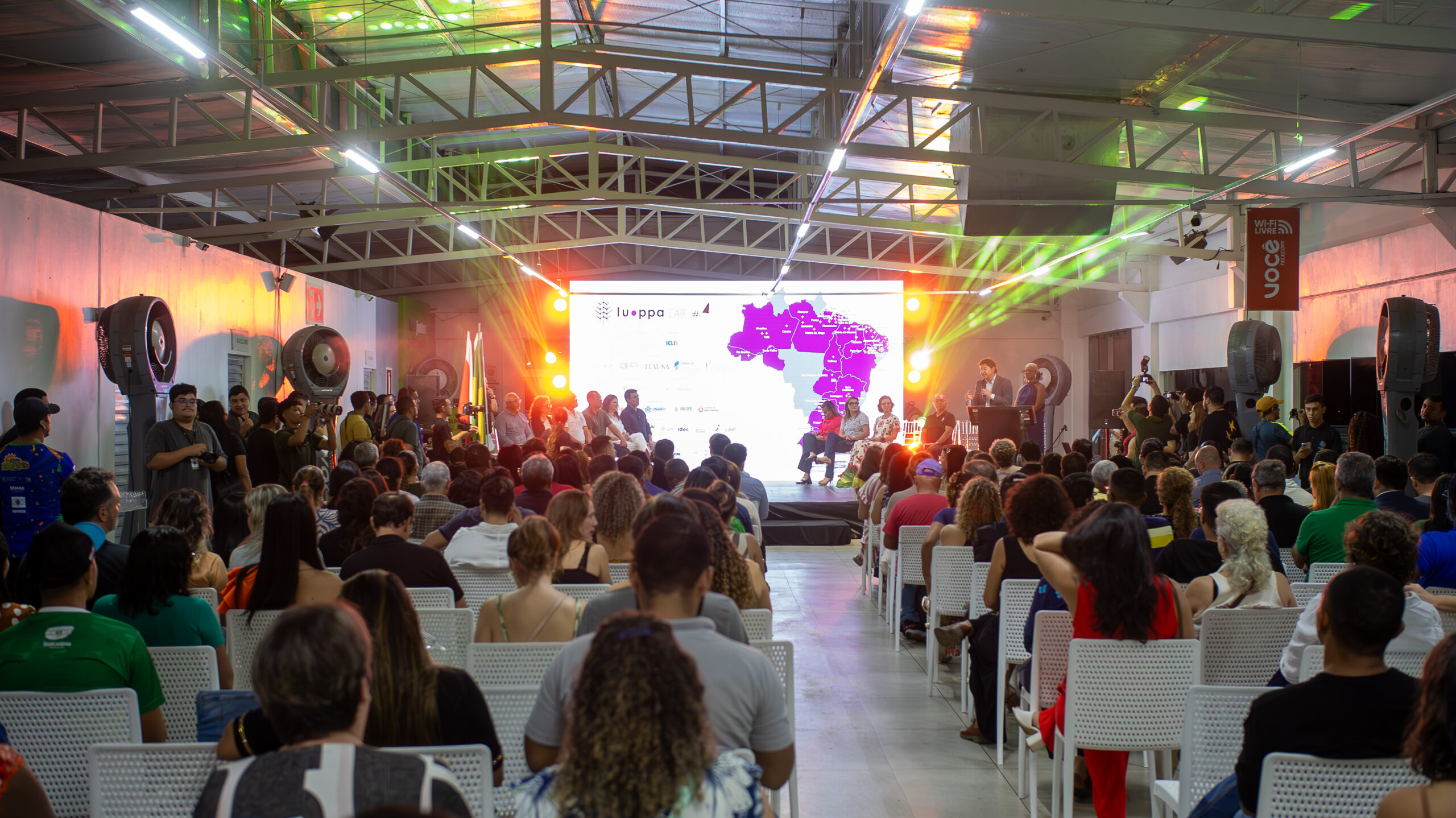
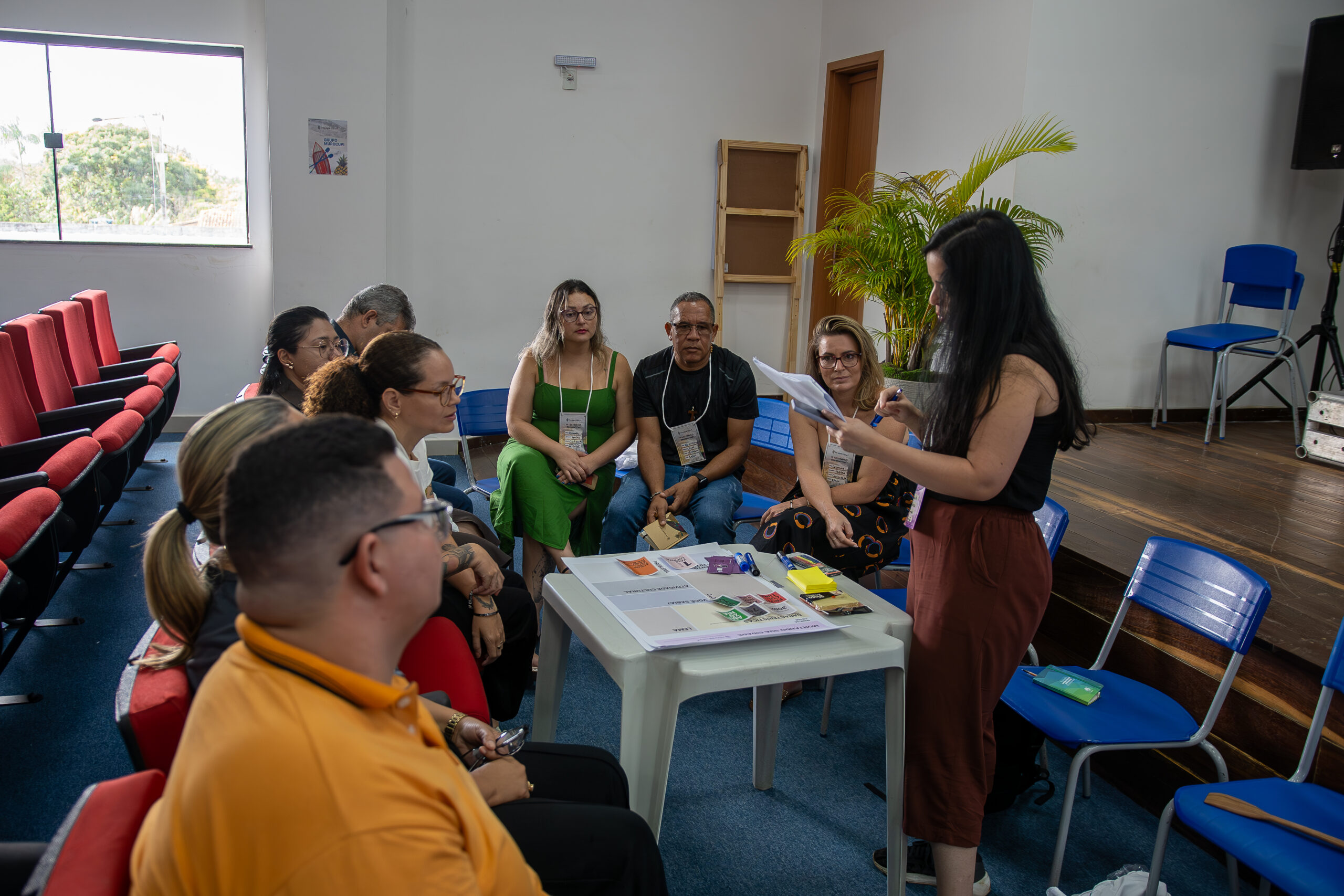
LUPPA is a program that has been run since 2021 by the Food of Tomorrow Institute, in partnership with ICLEI South America. It was created as a collaborative platform to support and facilitate the development of integrated, participatory municipal food policies with a systemic approach and has evolved into a true support network. In it, representatives from various municipalities in Brazil come together to work on building an integrated food systems agenda in their cities, covering a spectrum of policies ranging from combating hunger to combating the climate emergency, including income generation, guaranteeing rights, food education, regulation of healthy food environments, and regional development, in addition to many other topics related to food policies.
The work carried out at LUPPA has received international recognition, both for its innovative methodology and for its ability to generate a support network between cities. In the report “State of Food Insecurity in the World 2023” (FAO et al., 2024) and the report “From Plate to Planet” (IPES-FOOD, 2023), LUPPA is cited as an example of an innovative urban food policy laboratory with an impact on leveraging the transformation of food systems. In 2024, LUPPA was highlighted as a national network of cities in the report “Strengthening Urban and Peri-urban Food Systems” by the High-Level Panel of Experts on Food Security and Nutrition of the United Nations World Food Security Committee on urban and peri-urban food systems (HLPE, 2024). In addition, the program is a source of inspiration for the National Strategy for Food and Nutritional Security in Cities – Alimenta Cidades – which the Ministry of Social Development, through its National Secretariat for Food and Nutritional Security, launched in December 2023.
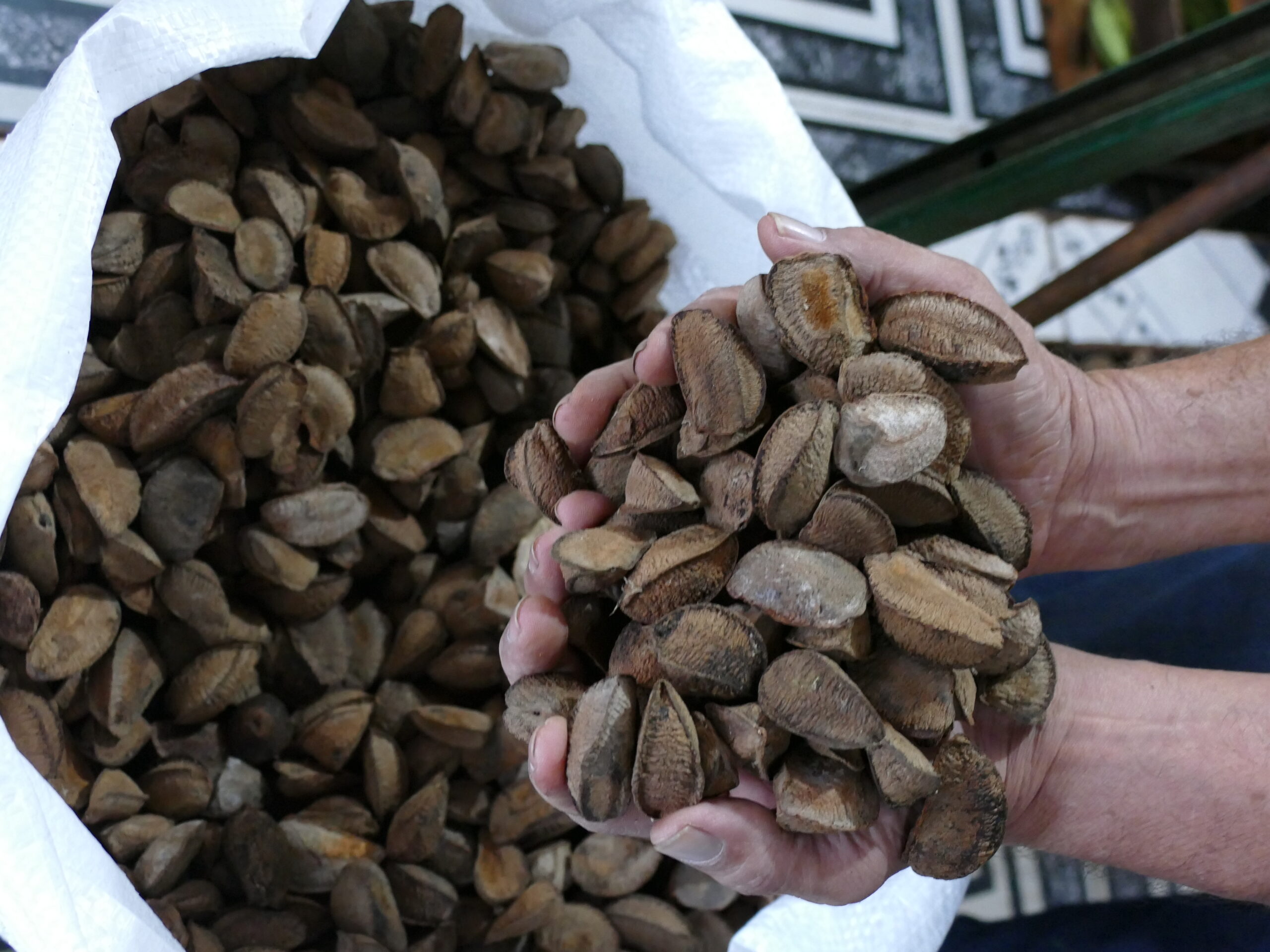
We believe that it is in the concrete actions of each participating city, often small in scale but large in impact, that we see the power of transformation happening. In Santarém (PA), for example, the systematic introduction of socio-biodiversity products into school meals goes beyond the menu: it strengthens extractive economies, protects forest territories, and reduces emissions by shortening the distance between the field and the plate. It is a public policy that brings together nutrition, social justice, and environmental conservation with a single point of intersection: school meals.
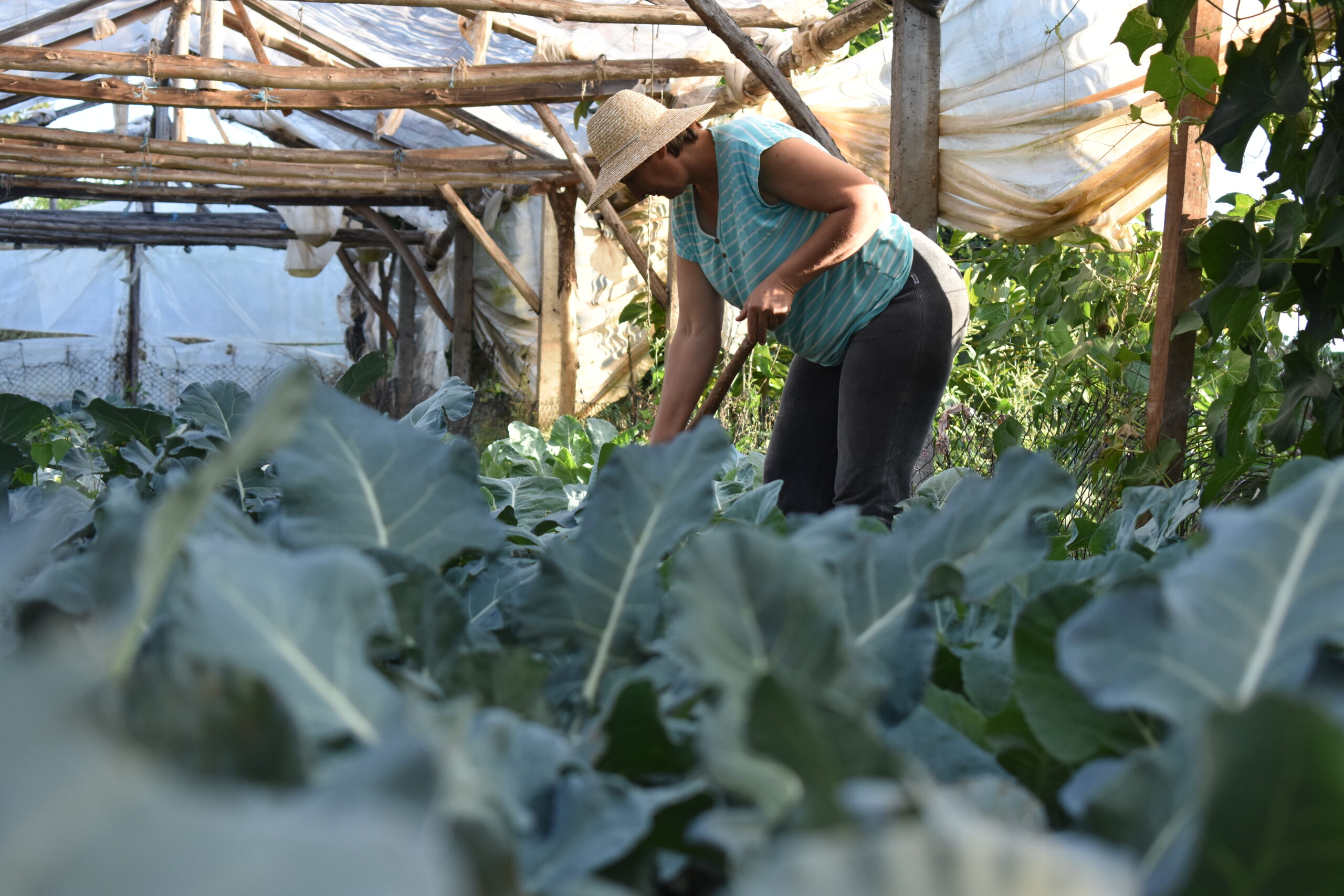
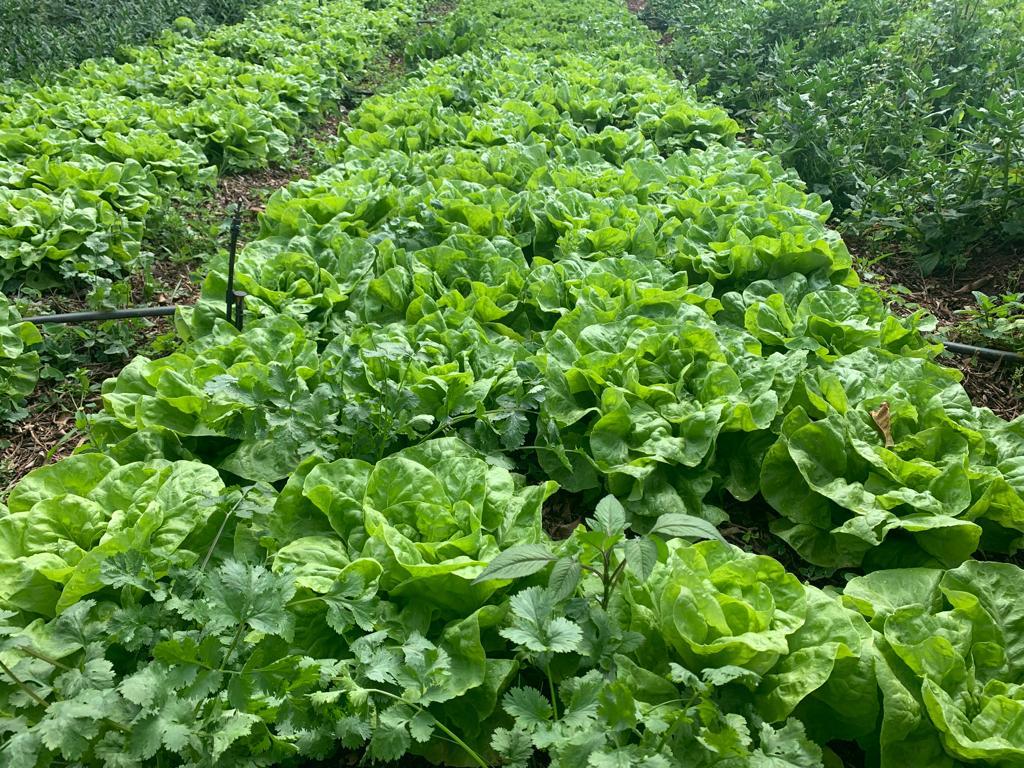
In the Southeast, the city of Maricá (RJ) has become a national and international reference by implementing its edible gardens, known locally as Agroecological Squares. These public spaces have become territories for learning, cultivation, and community coexistence. In the largest of these, in Itaipuaçu, there are more than 60 crops distributed across 36 plots, where vegetables, fruits, unconventional food plants (PANCs), and medicinal plants are grown collectively. More than just urban gardens, agroecological squares teach the community to plant and value the work of farmers, promote food and nutritional security, strengthen composting practices, and reduce waste. Since the creation of the first garden in 2020, Maricá has joined the Milan Pact, consolidating itself as an example of a city committed to sustainable and circular food systems.
Another interesting highlight is the case of native seed banks, present in several municipalities participating in LUPPA, such as Alenquer (PA), which maintains a bank linked to other public initiatives, such as the agroecological seedling bank, the municipal market, and agroecological fairs that strengthen the commercialization of local and sustainable products. Another emblematic example is Anchieta (SC), a national reference in the implementation of public policies for the recovery and preservation of food genetic heritage. The municipality has established itself as a center for the conservation of native seeds, even hosting the Native Corn Gastronomic Festival. These structures ensure the preservation of native seeds, varieties adapted to local realities, carefully tended by family farmers, who promote productive autonomy, resist climate change, and perpetuate ancestral knowledge about the cultivation of life.
These experiences are part of a broader picture described in the European Union-Brazil Dialogue on Sustainable Urban Food Systems report, which analyzed the actions of cities such as Santarém, Maricá, Recife, Curitiba, and Rio Branco. The publication highlights that circular urban food systems represent a concrete opportunity to replace the linear model of production, consumption, and disposal, promoting practices such as composting, social gastronomy, urban gardens, connections between rural and urban areas, and strengthening sustainable public procurement. These strategies not only address the challenges of food insecurity and malnutrition but also contribute to local solutions to climate change. According to the report, cities can be true epicenters of transformation, articulating intersectoral policies and involving multiple actors to promote fairer, healthier, and more resilient food systems.
In this scenario, LUPPA shows that the paths to transformation can, and should, pass through cities. Policies such as urban gardens, decentralized composting, institutional purchases from family farms, and incentives for the solidarity economy may seem like small fronts of action. But together, they form a network of resistance and innovation that repositions cities as protagonists in a necessary pact between food, climate, and social justice.
Beyond thinking of food as a human and constitutional right, it is about understanding food as a broader strategy: for urban resilience, for climate mitigation, for rebuilding ties between people and territories. By placing the food system at the center of local public policies, cities point to a possible, and urgent, horizon of transformation.
Share!
To learn more
Keep learning with other related articles