The Ministry of Development, Social Assistance, Family, and Hunger Alleviation (MDS) has launched a new phase of the “Alimenta Cidades” Strategy by conducting technical visits to 84 municipalities within the scope of operations of the [...]
WRITTEN BY COMIDA DO AMANHÃ
on 27/03/2026
|
The Ministry of Development, Social Assistance, Family, and Hunger Alleviation (MDS) has launched a new phase of the “Alimenta Cidades” Strategy by conducting technical visits to 84 municipalities within the scope of operations of the Food for Tomorrow Institute, the initiative’s implementing partner.
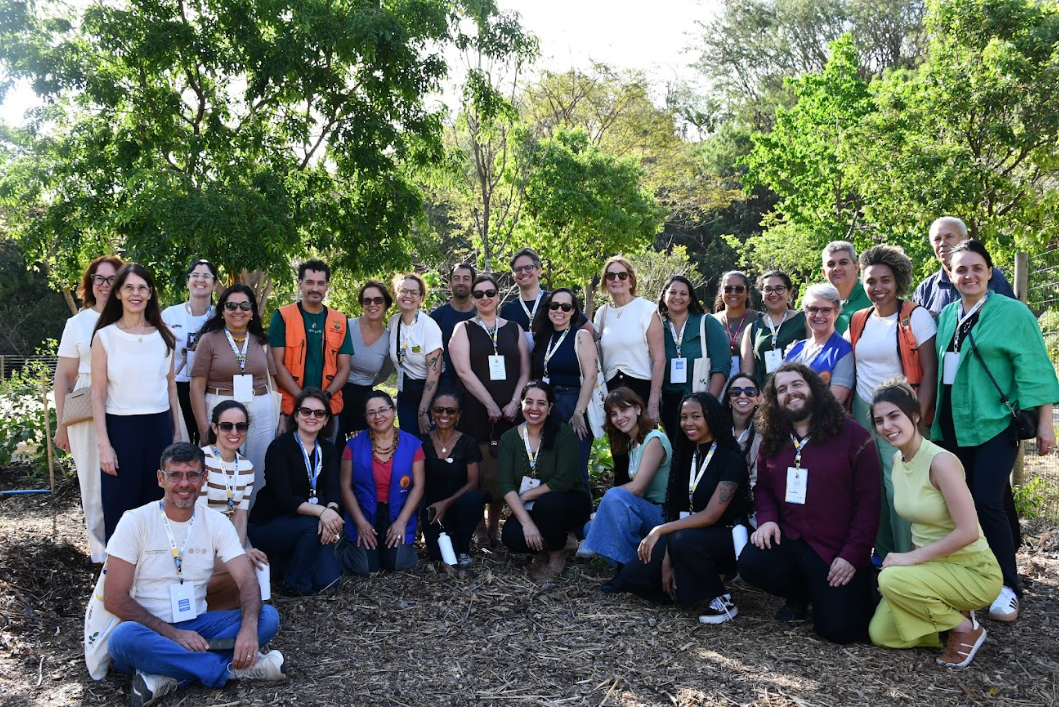
The technical visits mark a moment of engagement with local administrations, combining monitoring of ongoing actions with direct support for the challenges identified in the municipalities. This phase builds on the work carried out during the Strategy’s First Implementation Cycle, a period marked by 60 in-person workshops focused on the collaborative development of situational assessments and the definition of actions that make up the Municipal Implementation Pathways.
In the 24 municipalities that joined the initiative during the expansion phase, through MDS Ordinance No. 1098/2025, virtual workshops were held to facilitate the same process. In this new phase, the focus is on monitoring actions and seeking solutions to the challenges identified in each local context.
Palmas (TO) kicks off the visit cycle
On March 8 and 9, Palmas became the first municipality to host the Alimenta Cidades Strategy team. Over the course of two days, meetings were held with the Intersectoral Chamber for Food and Nutritional Security (CAISAN) and the Municipal Council for Food and Nutritional Security (COMSEA), with the aim of presenting a detailed overview of the strategy’s implementation in the municipality, as well as highlighting progress and opportunities for strengthening ongoing initiatives.
For Alexandre Ramos, Project Manager at the Food of Tomorrow Institute, the visit reinforces the role of cities in consolidating structural public policies. “We are monitoring the municipality and reinforcing the implementation of the Alimenta Cidades Strategy. The involvement of the departments demonstrates that Palmas is moving forward responsibly in combating food insecurity and promoting sustainable healthy eating practices,” he noted.
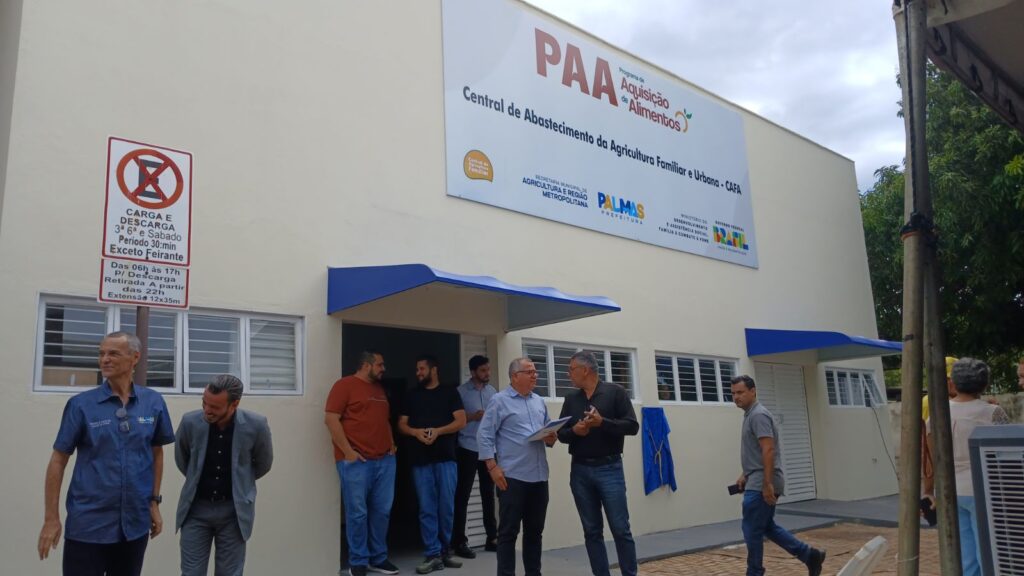
During the visit, Palmas inaugurated the Family Farming Product Reception Center, located at the 304 Sul Market, marking a significant step forward in the execution of its implementation plan. The facility supports production in the capital’s green belt, with infrastructure for the storage, organization, and distribution of food from family farms. In addition, the Center operates with the aid of machinery, facilitated access to rural credit lines, and policies aimed at strengthening small-scale producers. In this way, it not only expands marketing opportunities but also strengthens connections between producers and consumers, promoting a more integrated and sustainable model of local development.
According to Eloise Schott, president of COMSEA Palmas, the technical visit highlighted the strategy’s impact on the coordination of local policies. “The ‘Alimenta Cidades’ Strategy has been a fundamental mechanism for uniting different sectors and strengthening public policy on food and nutritional security. Our expectation is that Palmas will continue to advance and become a national benchmark in this area,” she stated.
The visit also marked the presentation of the Betinho 2025 Seal to the city, awarded by the NGO Ação da Cidadania, in recognition of Palmas’ efforts to address food insecurity.
The second stop: João Pessoa (PB)
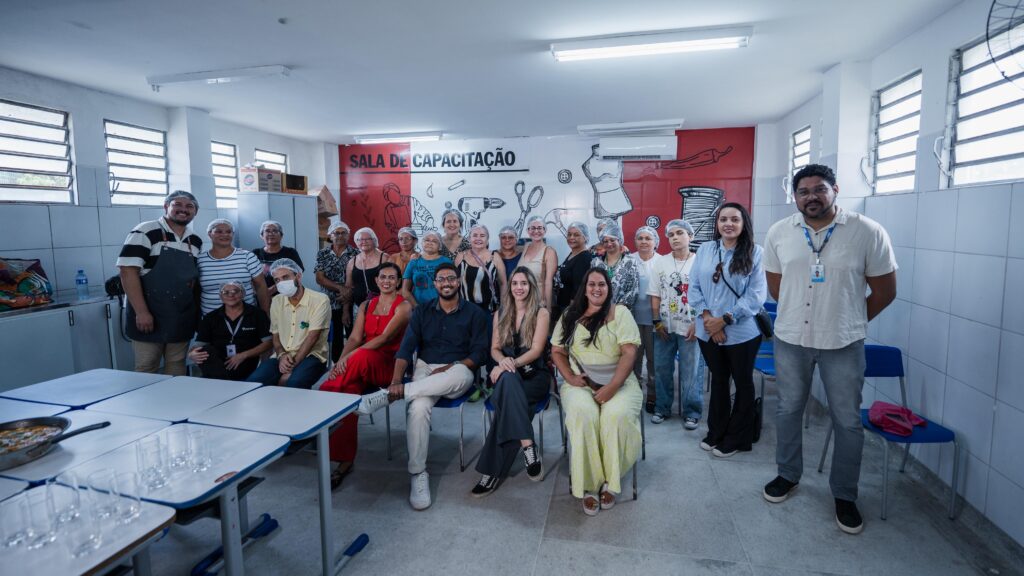
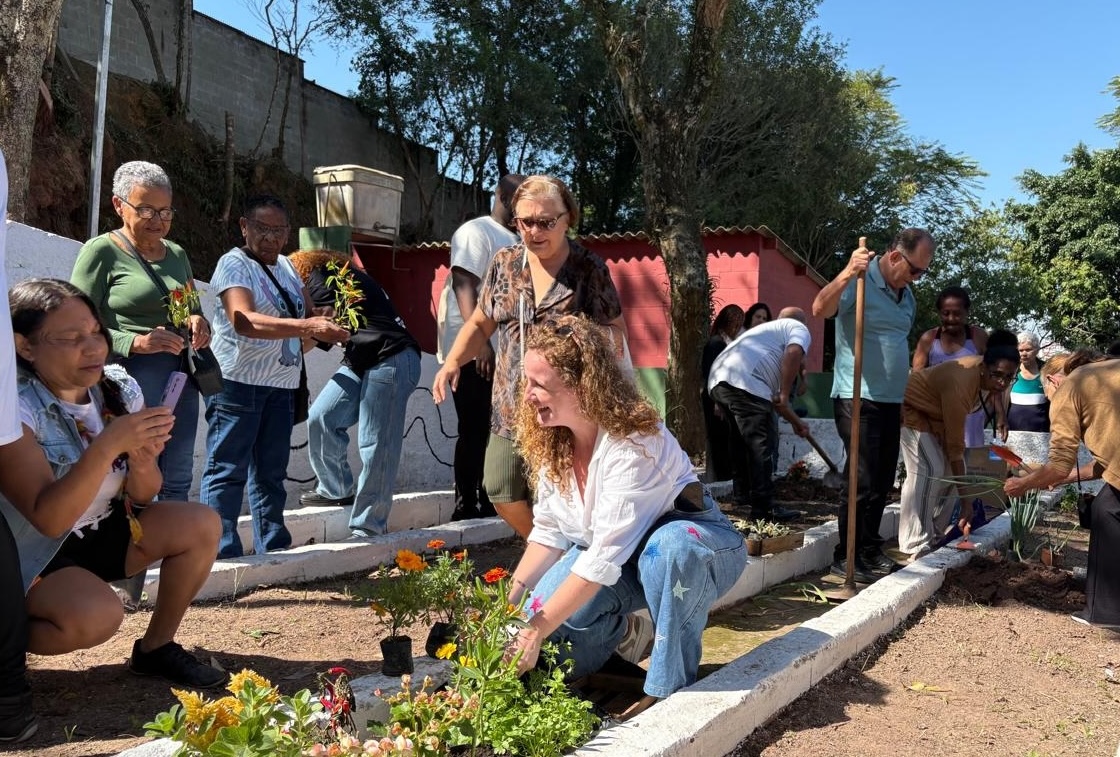
In João Pessoa, the technical visit took place on March 25 and 26 and began with an inspection of public facilities and direct engagement with ongoing initiatives. Among the most impactful initiatives observed was the establishment of six community gardens linked to the city’s community kitchens, an initiative strategically integrated into the Implementation Roadmap.
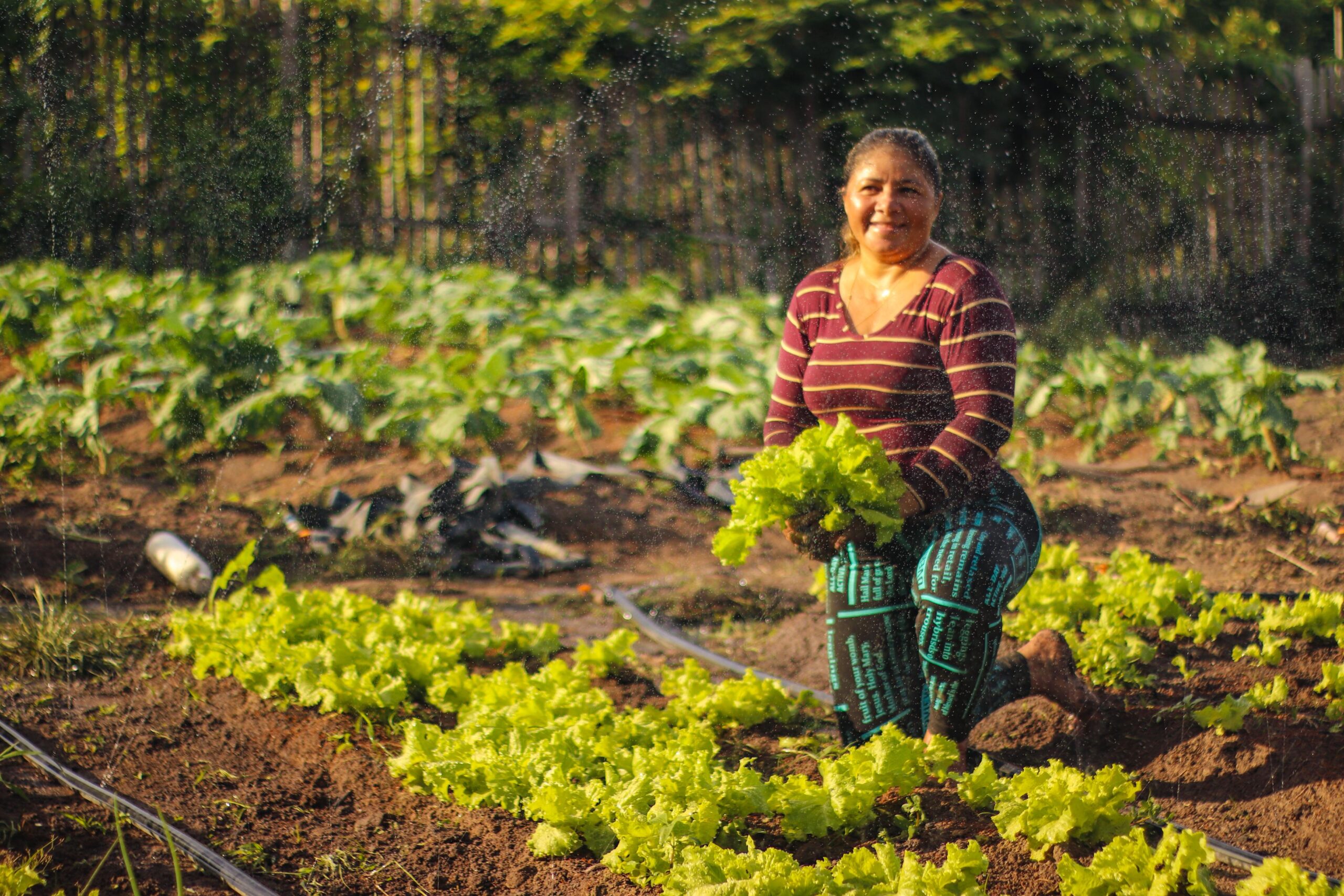
During the visit, we were able to visit two of these gardens, located in the neighborhoods of Taipa and Gervázio Maia. In addition to distributing approximately 600 meals per day, the spaces also host activities such as dance and martial arts classes and cultivate foods like lettuce, bell peppers, cilantro, and medicinal plants.
These efforts take on even greater significance in a context marked by the launch of the 1st Municipal Food and Nutritional Security Plan, officially adopted on February 25. The document reflects a collaborative process between the municipal government, civil society, and the technical team of the Alimenta Cidades Strategy. Positioned as a historic milestone for João Pessoa, the plan establishes fundamental guidelines to shape public policies in this area in the coming years.
Another highlight of the agenda was the visit to the Mangabeira Popular Restaurant, which plays a crucial role in the lives of the population by providing approximately 1,900 meals daily. The facility also features a room dedicated to professional training, where courses are held that combine sustainable gastronomy with the promotion of regional ingredients.
Following the schedule, the technical team attended the inauguration of the Popular University Restaurant at the Federal University of Paraíba (UFPB). The result of a collaboration between the student movement and the City Government, the initiative provides approximately 500 meals daily at nominal prices for the institution’s students.
On the second and final day of the technical visit, a strategic meeting was held with the Intersectoral Chamber for Food and Nutritional Security (CAISAN), focused on aligning the next steps for implementing the Strategy. According to Ana Beatriz Venâncio, Public Policy Analyst at the Food of Tomorrow Institute, the meeting was essential for advancing the planning and execution of future actions. “It was an important moment to discuss the challenges and consider ways to move forward with the actions that still need to be implemented, as well as to understand how we can provide support—both as an Institute and as part of the Strategy—to ensure this happens in the best possible way,” she notes.
Share!
To learn more
Keep learning with other related articles