In 2024, Comida do Amanhã was part of the 17 Rooms initiative, created in 2018 by the Brookings Institution and The Rockefeller Foundation with the aim of accelerating progress toward the UN Sustainable Development Goals [...]
WRITTEN BY COMIDA DO AMANHÃ
on 14/04/2025
|
In 2024, Comida do Amanhã was part of the 17 Rooms initiative, created in 2018 by the Brookings Institution and The Rockefeller Foundation with the aim of accelerating progress toward the UN Sustainable Development Goals (SDGs) by 2030. Through a collaborative process, the initiative brings together experts, policymakers, and leaders from various sectors to identify and implement concrete actions for each of the SDGs, promoting innovative and interconnected solutions to global challenges.
The SDGs are a global commitment adopted by the UN General Assembly in 2015, aiming to eradicate poverty, protect the planet, and promote peace and prosperity by 2030. With 17 interconnected goals, the SDGs address crucial challenges such as education, health, gender equality, climate change, social justice, and sustainable development.
At 17 Rooms, experts work in “Rooms” – groups dedicated to each SDG. The process encourages collaboration between groups, avoiding isolated approaches and promoting synergies between different objectives. Each Room has the mission of identifying concrete actions over a period of 12 to 18 months, generating real and sustainable impact.
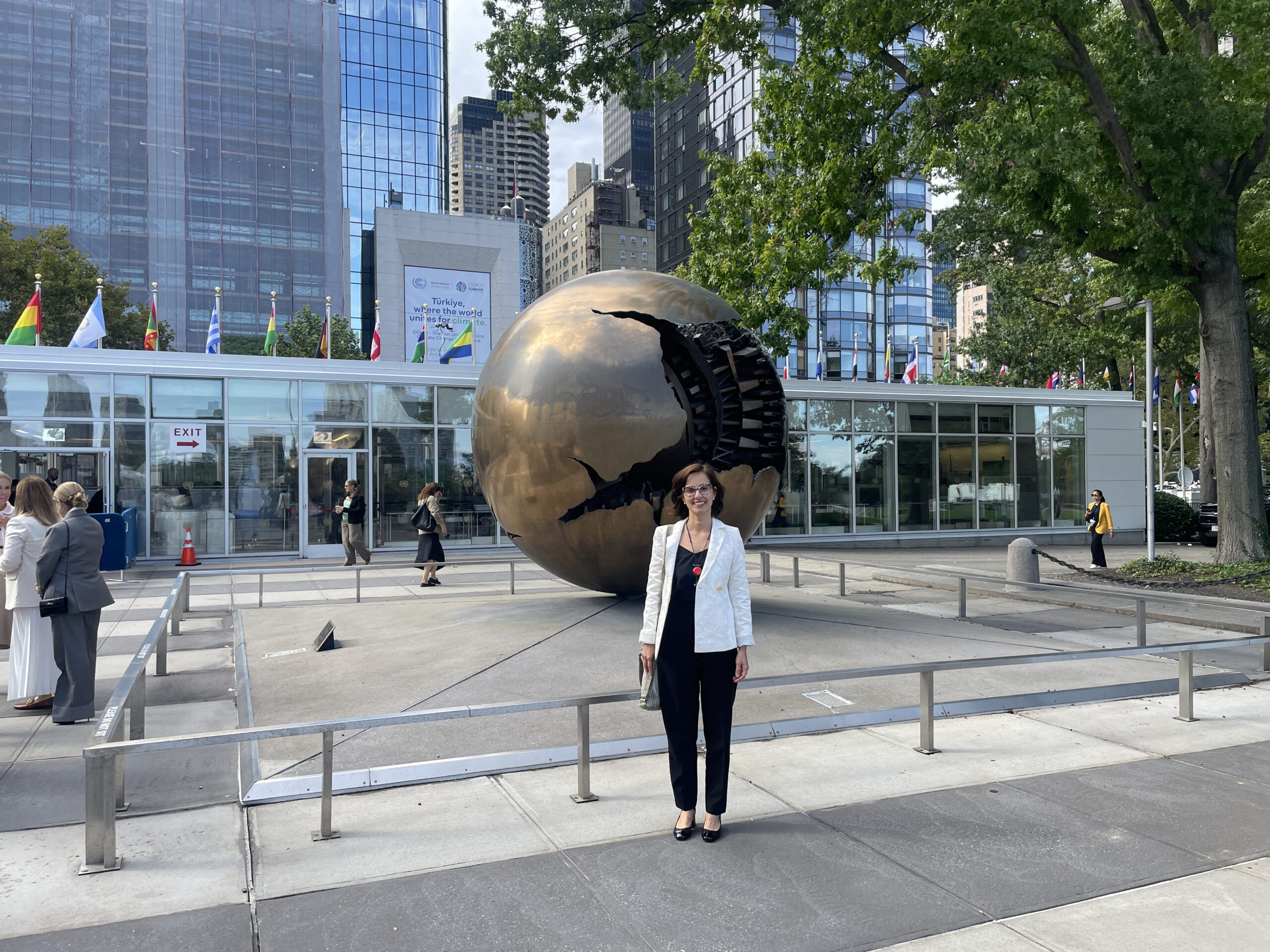
Juliana Tângari, director of Comida do Amanhã, was invited to participate in “Room 2”, focused on SDG 2 (Zero Hunger and Sustainable Agriculture), which was co-led by Betty Kibaara, from The Rockefeller Foundation; Mohamed Abdiweli, from the Sustainable Financing Initiative for School Health and Nutrition; and Kevin Watkins, from the Firox Lalji Institute for Africa. The work was conducted in meetings throughout the second half of 2024.
Room 2 worked with a Big Idea: to feed an additional 100 to 250 million children by 2030 through healthy, local, and sustainable school meals. The goal was complementary to the work of the global network of partners from the School Meals Coalition, of which Comida do Amanhã is also a part, and intends to enable food in schools in a financially sustainable way, with low environmental impact and strengthening local production chains.
For Juliana Tângari, Brazil is internationally recognized both for its strategy to fight hunger in the 2000s and for the highly sophisticated model of school feeding policies currently in force in the public school system. The experience of implementing these innovative and multifunctional policies and programs has created a wealth of experience over decades, which is essential to draw up global plans and agendas to ensure food and nutrition security, especially for children and students. “Our work in Room 2 is connected with the work we conduct now and will conduct in the School Feeding Coalition, in the Global Alliance against Hunger and Poverty, in the G20/C20 and in other international forums to where we can take the Brazilian experience of implementing food policy at the local level, in the municipalities”, she highlighted.
As part of her work at Room 2, Juliana Tângari co-authored the paper “Building a Global Financing Coordination Mechanism for Sustainable School Meals” and the summary report “17 Rooms: Supporting ‘big ideas’ for people and planet.”
She was also a contributor to the report “School feeding and the Sustainable Development Goals”, launched in the webinar “School feeding, food system reform, and the Sustainable Development Goals”, held in November 2024. Tângari participated in the occasion as one of the experts and authorities to discuss the role of school feeding programs in the transition of food systems.
The publications summarize the central ideas of the work in the School Meals Coalition and Room 2: they propose international resource mobilization and the integration of local agricultural production into school meals by 2030, emphasize the importance of mobilizing resources through cooperation between governments, international donors, public-private partnerships, and local farmers, and analyze how school meals programs can contribute to the achievement of the SDGs in low- and middle-income countries.