School feeding with foods from Amazon’s socio-biodiversity
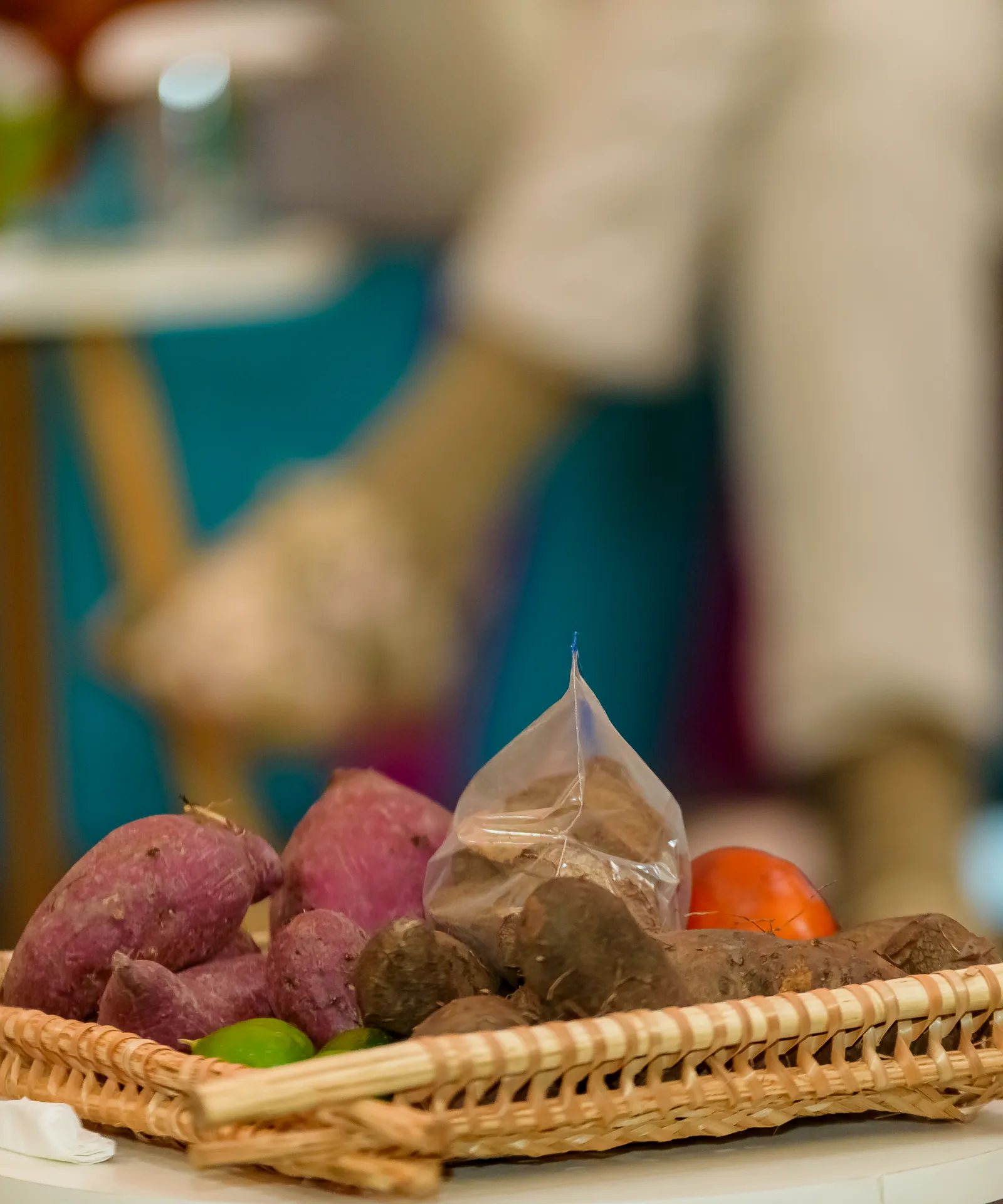
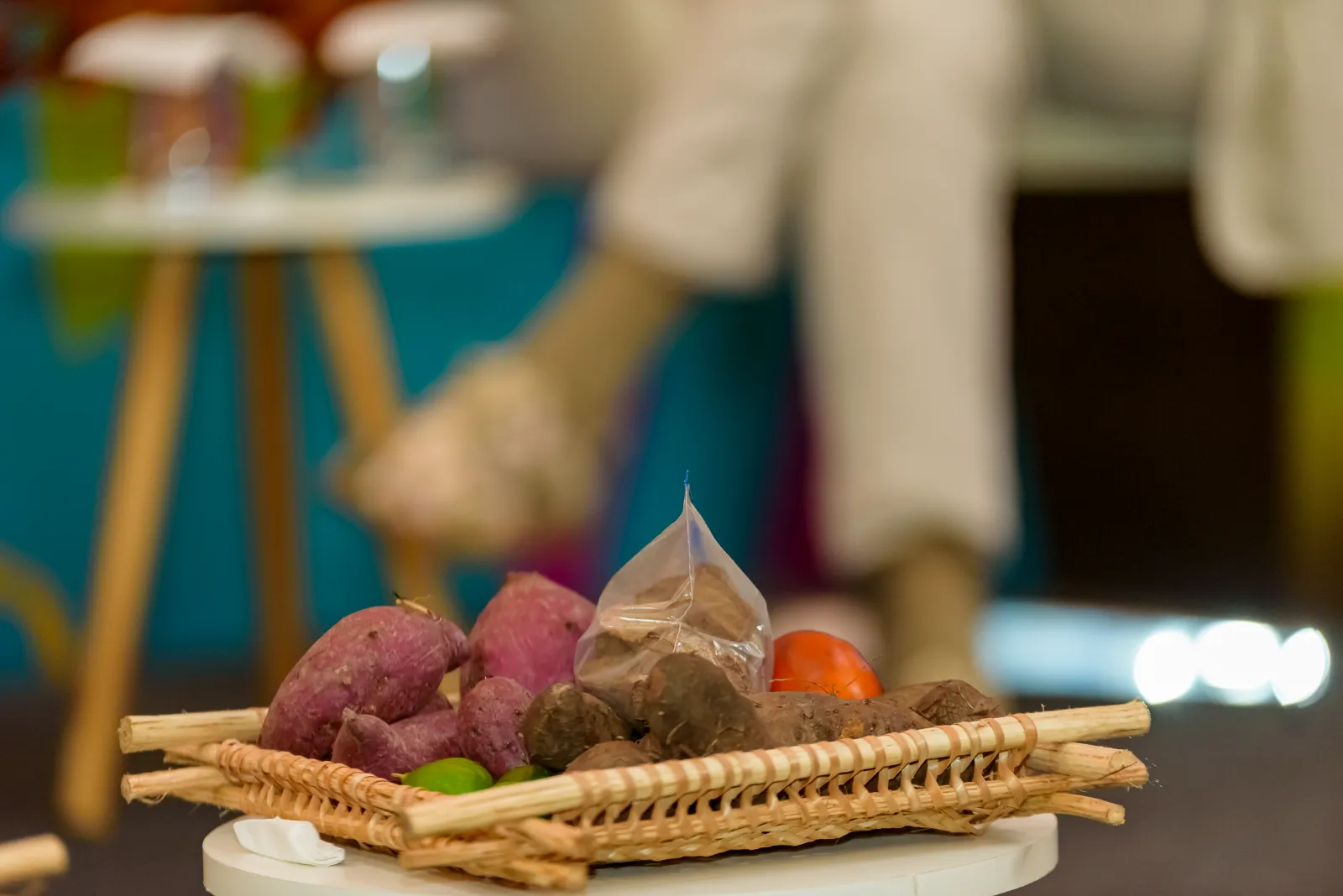
By building strategic partnerships and developing coordinated actions, Terra Nutre – Amazônia nas Escolas seeks to improve the governance of the National School Meals Program (PNAE), to support sustainable production from family farming, and to expand the procurement of foods produced by indigenous peoples, quilombolas, and other traditional communities. The project helps to ensure food security for students in public schools and to promote healthy eating practices connected to the territory, highlighting the regional socio-biodiversity.
The program strengthens the connection between sustainable production and school meals, creating conditions for nutritious and responsibly sourced foods to reach schools in a regular and diversified manner. With a four-year timeframe, the program is implemented by a coalition of civil society organizations under the coordination of the Centro de Vida Institute (ICV). It operates in three regions of the State of Mato Grosso and offers technical advice, training, and support for the implementation of PNAE. In addition, it promotes strategic workshops and in-person meetings to mobilize governmental administrators, educators and producers, seeking to overcome challenges and expand the participation of local socio-biodiversity in school meals.
Comida do Amanhã will work at Terra Nutre – Amazônia nas Escolas to assess challenges in the procurement and consumption of socio-biodiversity foods in public schools. The institute will also manage data and prepare a document with opportunities and challenges for the implementation of food policies.