The initiative is carried out in partnership with Regenera Institute and Fome Zero Institute, with institutional support from the WFP Center of Excellence against Hunger and support from the Rockefeller Foundation. After the selection process [...]
WRITTEN BY COMIDA DO AMANHÃ
on 12/06/2025
|
The initiative is carried out in partnership with Regenera Institute and Fome Zero Institute, with institutional support from the WFP Center of Excellence against Hunger and support from the Rockefeller Foundation.
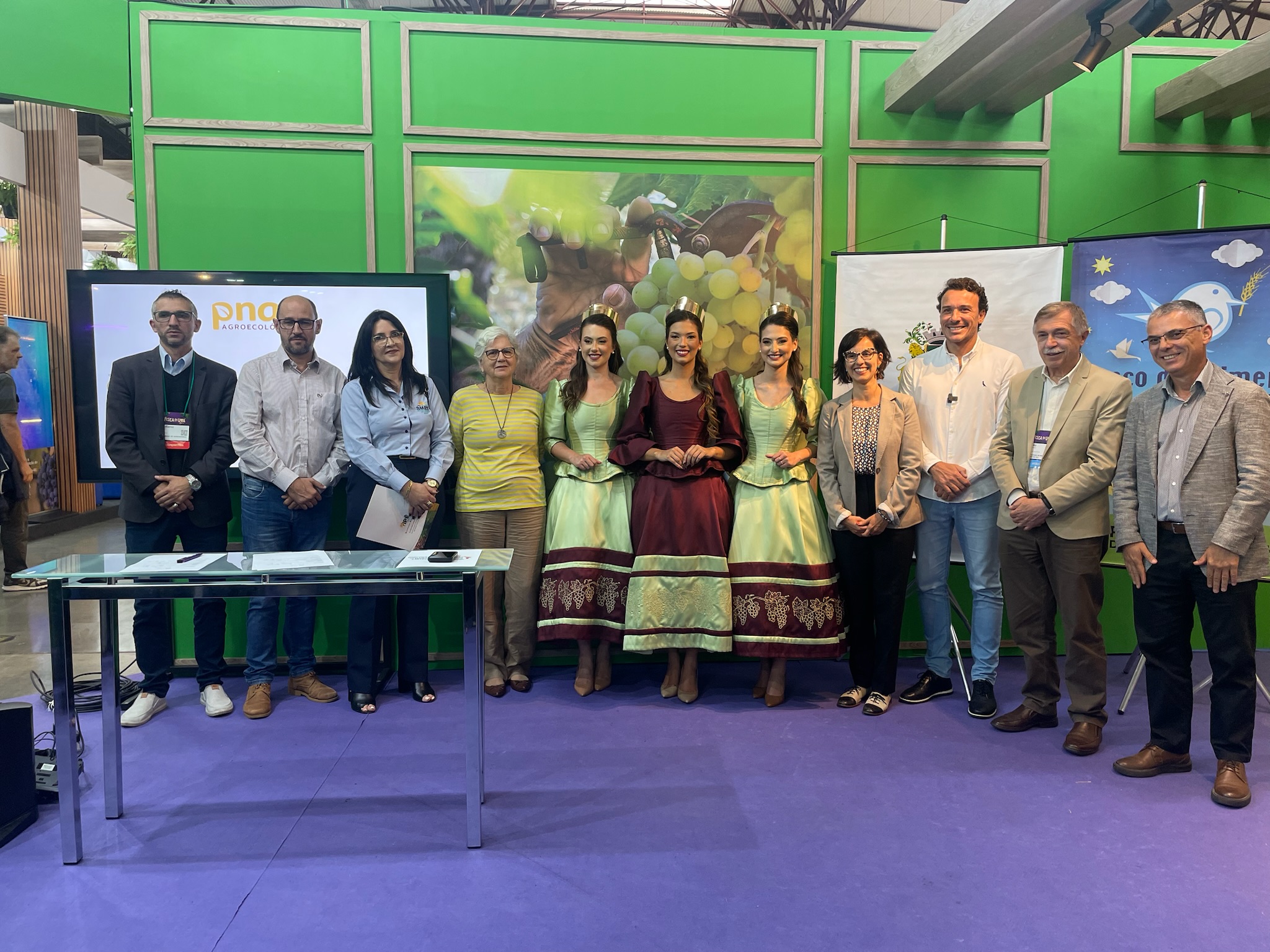
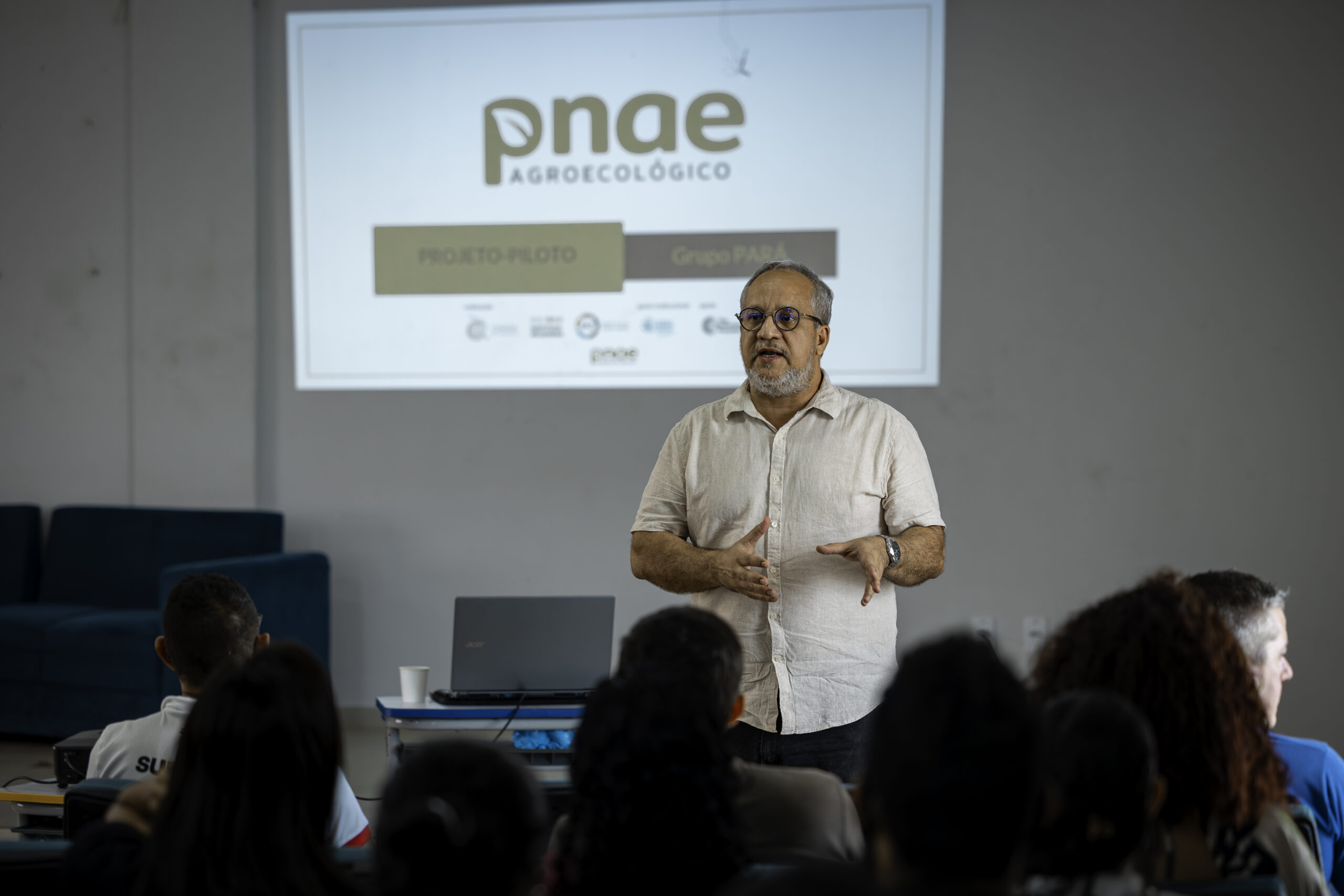
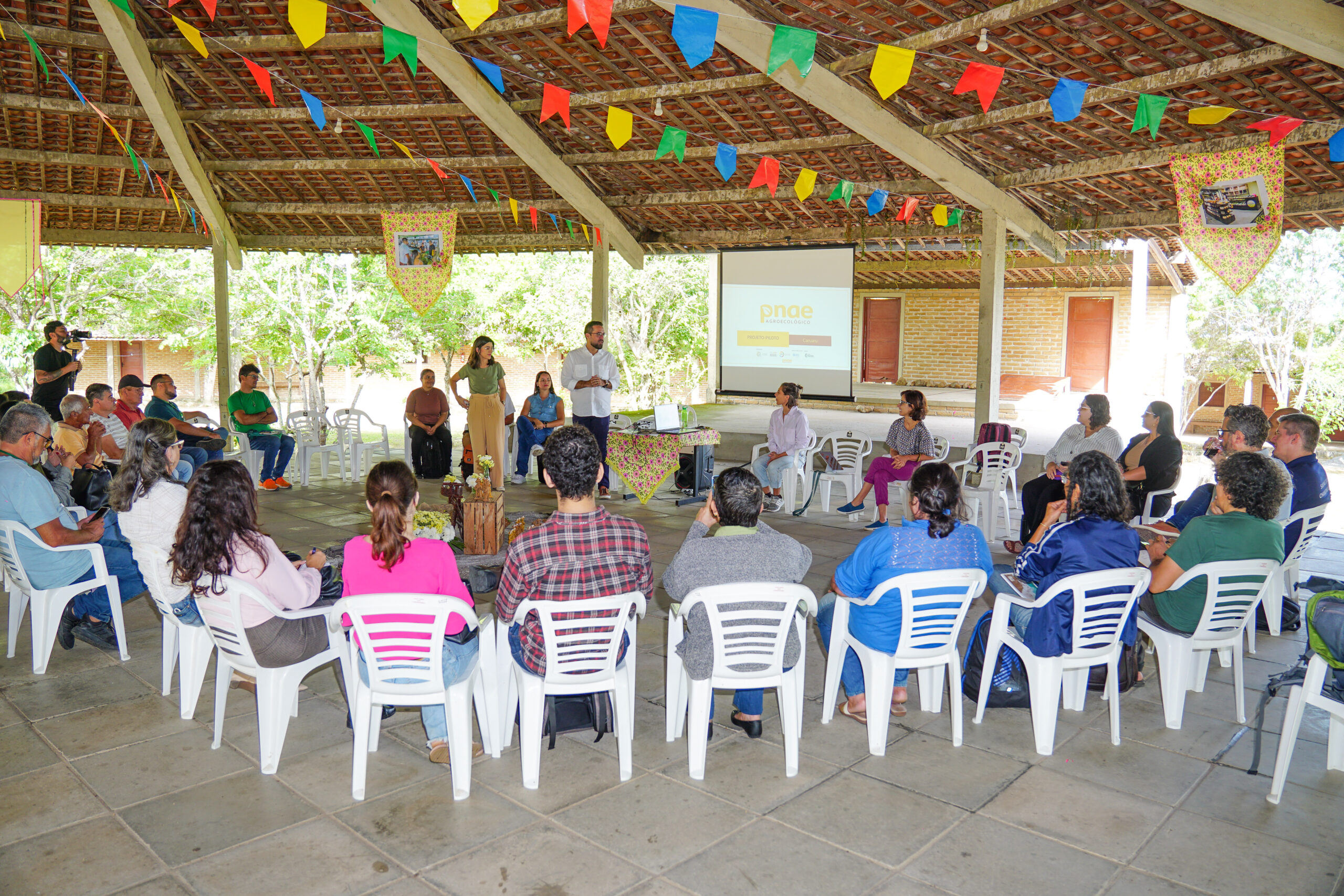
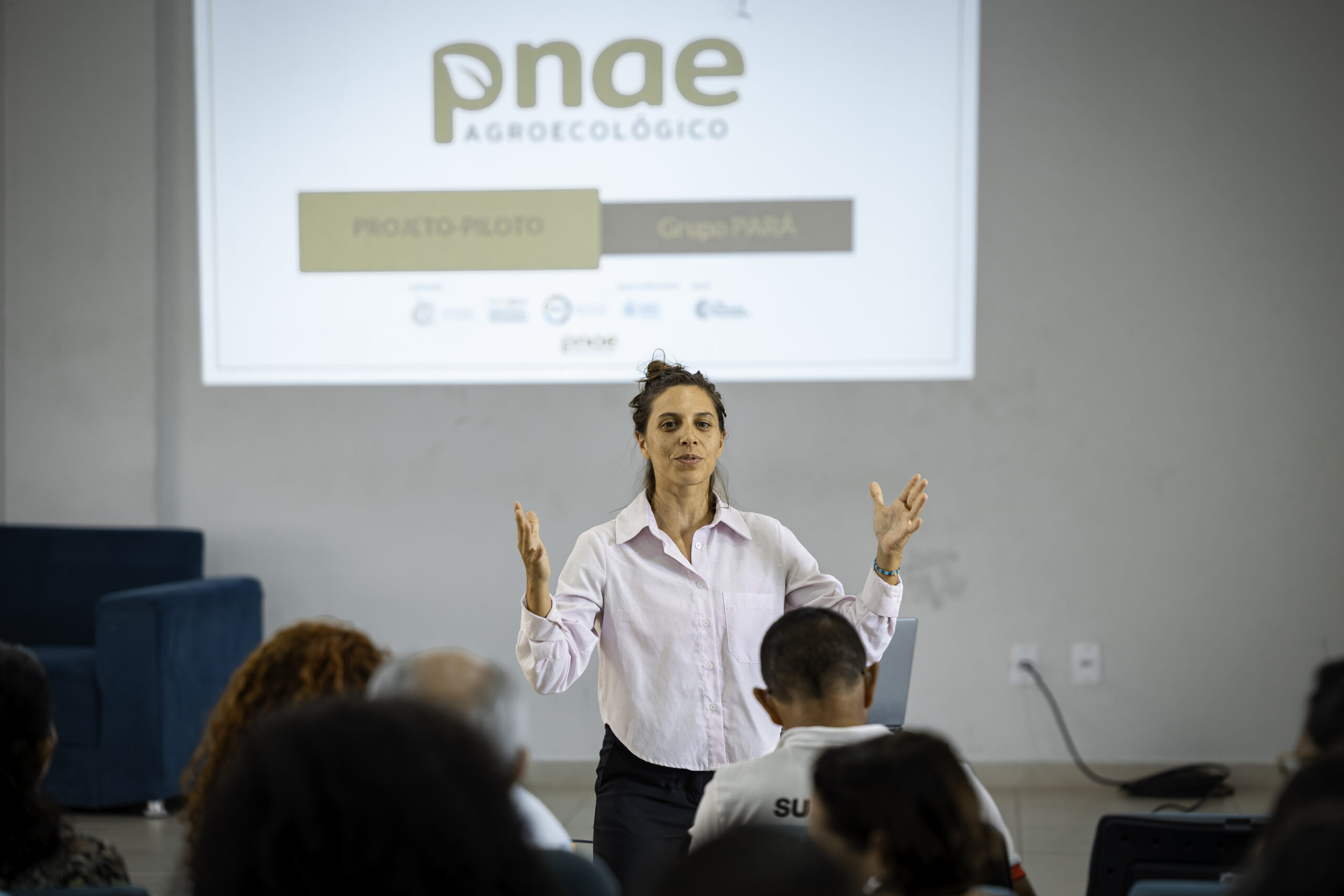
After the selection process for the PNAE Agroecológico program — an initiative that promotes agroecology in public school meals in Brazil — a coordination group was created to bring together both the selected cities and those that, even though not included in this first stage, showed interest in participating. The action is carried out by Comida do Amanhã Institute, in partnership with Regenera and Fome Zero Institutes, with institutional support from the WFP Center of Excellence against Hunger and support from the Rockefeller Foundation. The objective is to create a permanent space for exchanging experiences and strengthening agroecological transition actions in school meals.
To mark the start of the dialogue, on April 24, representatives from 19 cities (both those selected and those not selected for the first phase) participated in the first online meeting, in which a general diagnosis of the applications received during the selection process was presented. Space was also provided for municipalities to share the challenges and needs related to the introduction of agroecology in school meals within their local contexts. The next meeting is scheduled for July 2025, and the plan is to conduct a survey on the needs and data of these municipalities by the end of the year.
For Gabriela Vieira, Public Policy analyst at the Comida do Amanhã Institute and project manager, the main goals of the group are coordination and advocacy. “The idea came about after we saw that many municipalities had registered, that is, there was strong interest in the topic and an enthusiasm to participate in a project on agroecology linked to the PNAE. So, the idea is to engage the more than 40 municipalities that applied to the project to participate in the coordination group, meeting every three months to articulate, share updates from each municipality, discuss local realities, territorial movements regarding agroecology, and their potentialities and challenges”, she pointed out.
In addition to the municipalities, representatives of the National Fund for the Development of Education (FNDE), the United Nations World Food Programme (WFP) and other partner institutions that contribute to the strengthening of this movement also participated in the meeting.
PNAE Agroecológico
PNAE Agroecológico aims to promote the transition to family farming agroecological production in Brazil through the National School Meals Program (PNAE). It seeks to understand and strengthen possibilities of incentives and institutional arrangements, in order to expand the supply of healthy food in school meals, and to create a model that can influence public policies and regulations at the national level.
Share!
To learn more
Keep learning with other related articles