Food is not just what we see on our plates. It is also the result of public decisions, management choices, and the way cities organize their food systems. It is from this perspective that the [...]
WRITTEN BY COMIDA DO AMANHÃ
on 27/01/2026
|
Food is not just what we see on our plates. It is also the result of public decisions, management choices, and the way cities organize their food systems. It is from this perspective that the Food of Tomorrow Institute and ICLEI South America announce the launch of “LUPPA Notebooks: Lessons from the 4th LAB,” a publication that brings together concrete experiences from Brazilian municipalities that are advancing in the construction of fairer, healthier, and more sustainable urban food policies.
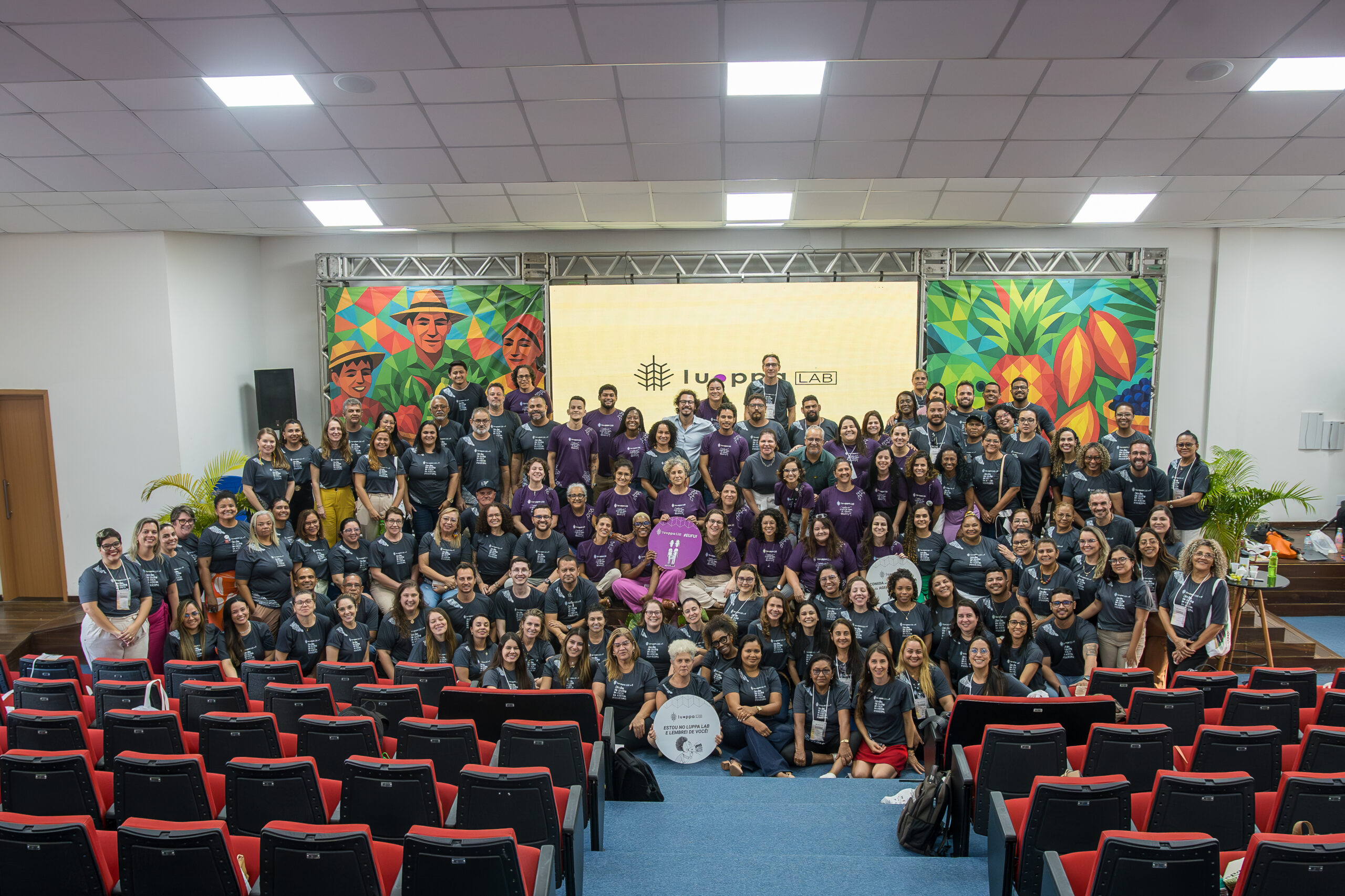
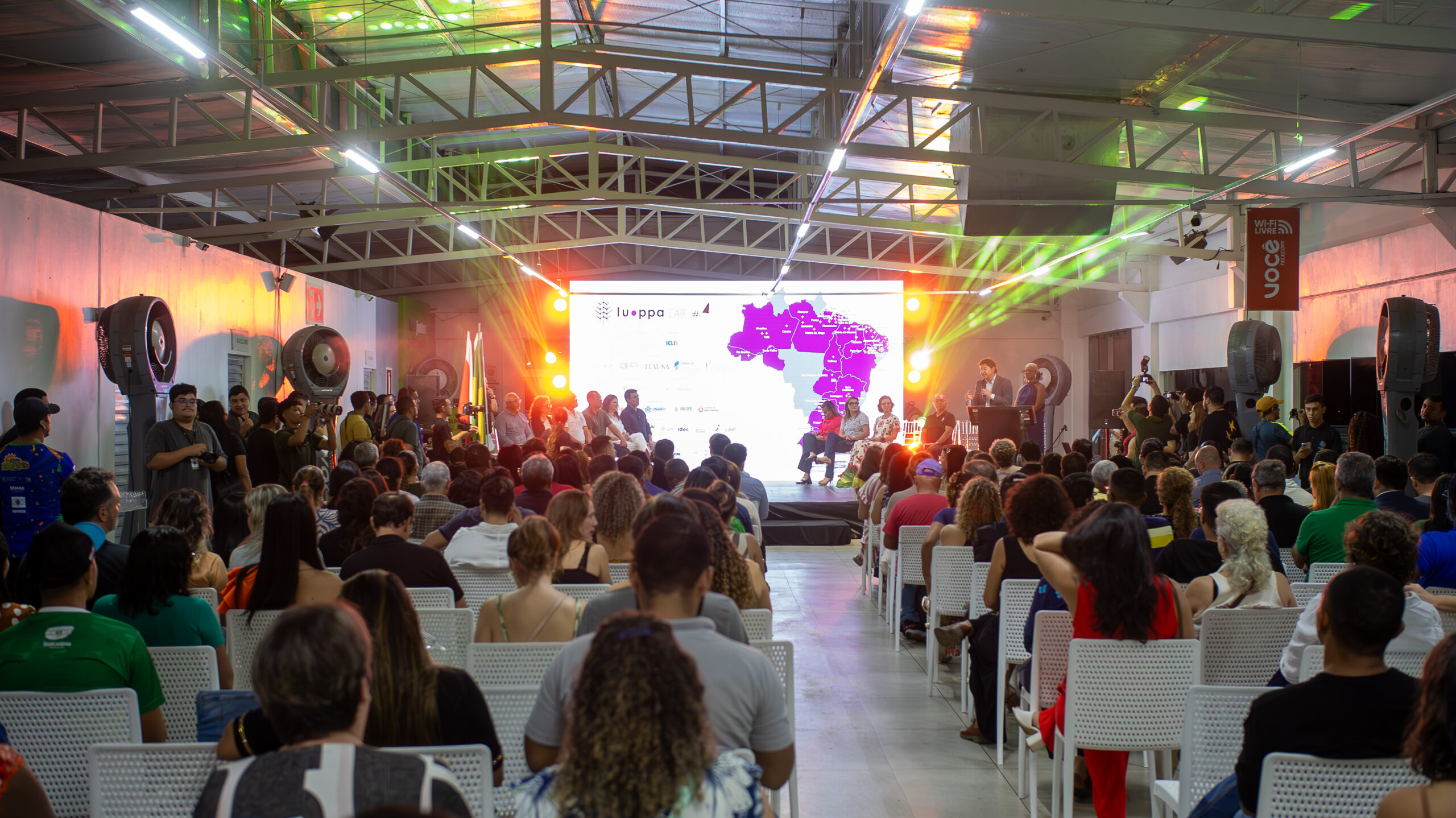
The material systematizes lessons learned from the fourth edition of the LUPPA program, which throughout all its editions has reached 54 cities in 18 states, distributed across the five regions of the country, forming a diverse network that connects small municipalities, medium-sized cities, and large capitals.
Food is public policy, yes
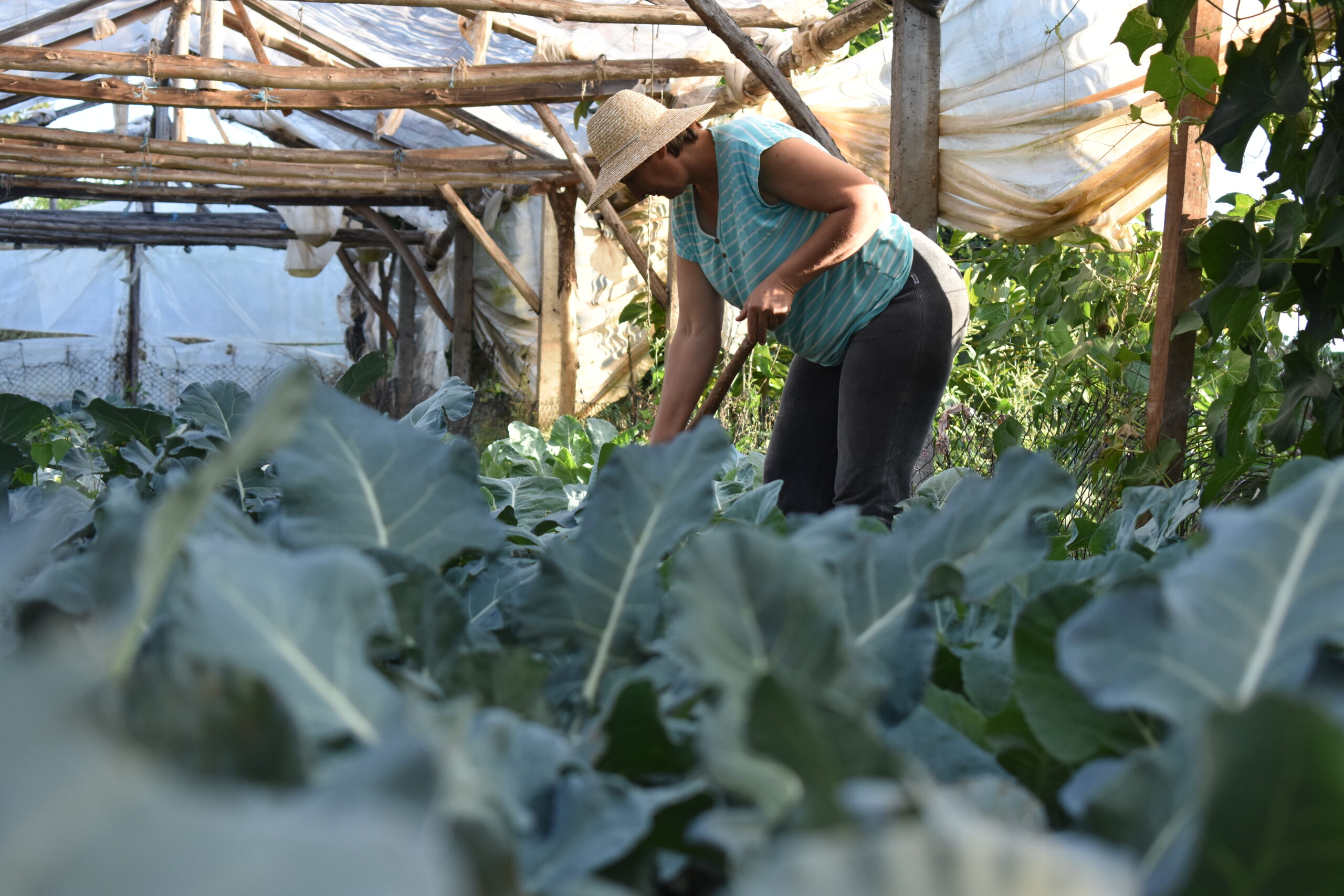
Although often treated as an individual choice, food is deeply influenced by public policies. Municipal decisions define what reaches schools, how fairs and markets operate, support for family farming, strategies to combat hunger, organic waste management, and the integration of food, health, climate, and local development.
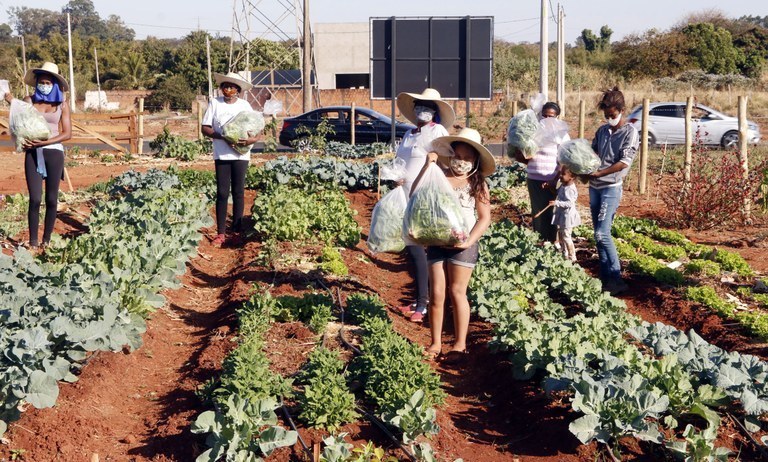
The “LUPPA Notebooks” show that when the food agenda is integrated into urban policies, it becomes a powerful tool for social transformation. In the 4th edition of LAB, participating municipalities identified priority issues such as community, school, and public facility gardens, food and nutrition education, food banks, public procurement from family farms, promoting local production, combating waste, and supporting breastfeeding.
Good practices that inspire other cities
The publication also presents experiences already underway in different regions of the country. Examples include the strengthening of the Indigenous PAA in Arame (MA), expanding traditional production and access to food for vulnerable communities; the Vale Verde project in Francisco Morato (SP), which promotes the exchange of recyclable materials for fresh food; and the advancement of family farming purchases for school meals in Benevides (PA), combined with the expansion of institutional vegetable gardens.
Other highlights include the structured food bank in Santa Luzia (MG), the circular economy policy with digital social currency in Santiago (RS), and actions to support agroecological transition and community gardens in Tefé (AM). These are initiatives that show how different territorial realities can build their own solutions, adapted to their local needs, but connected by common goals.
Collective construction strengthens the food agenda
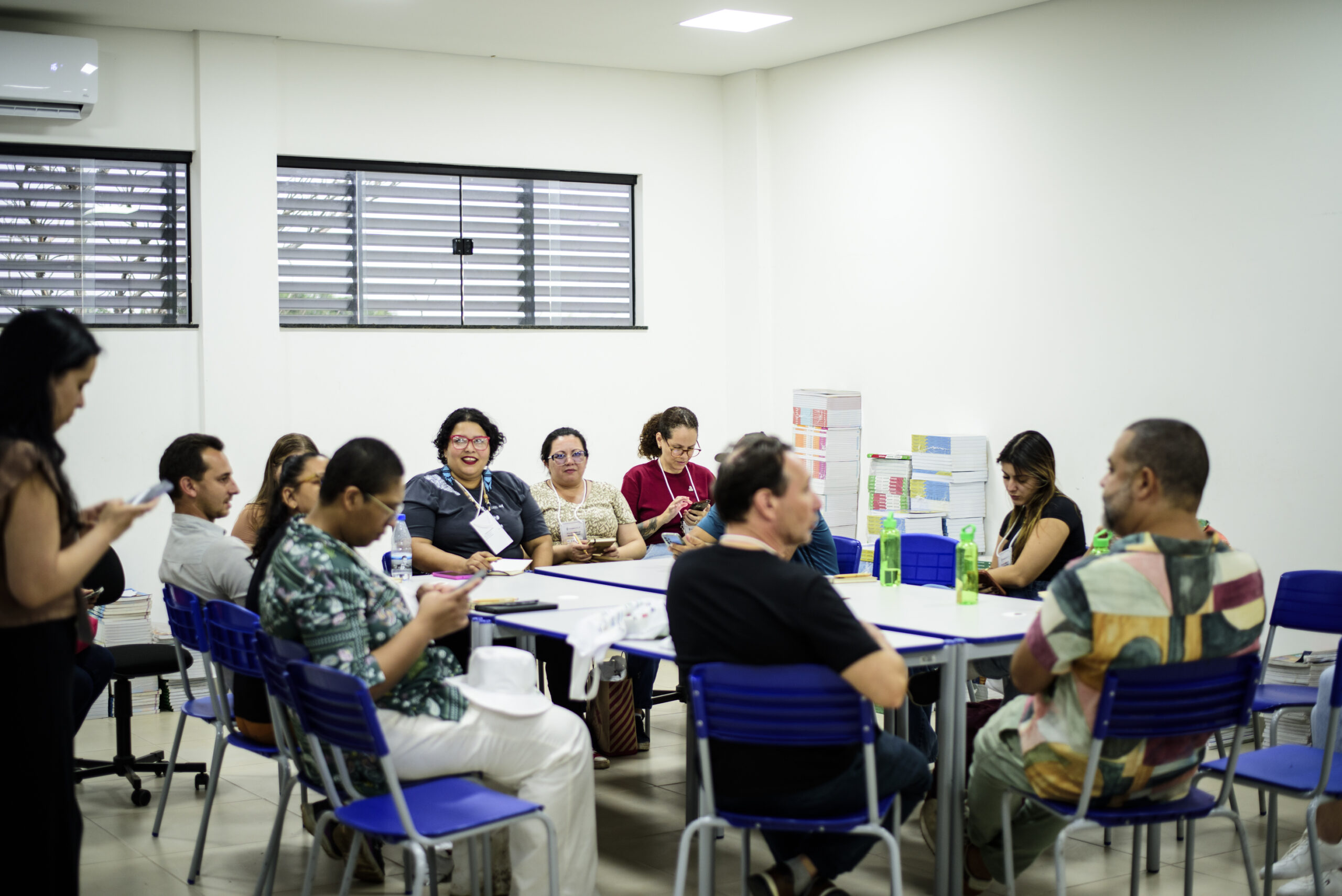
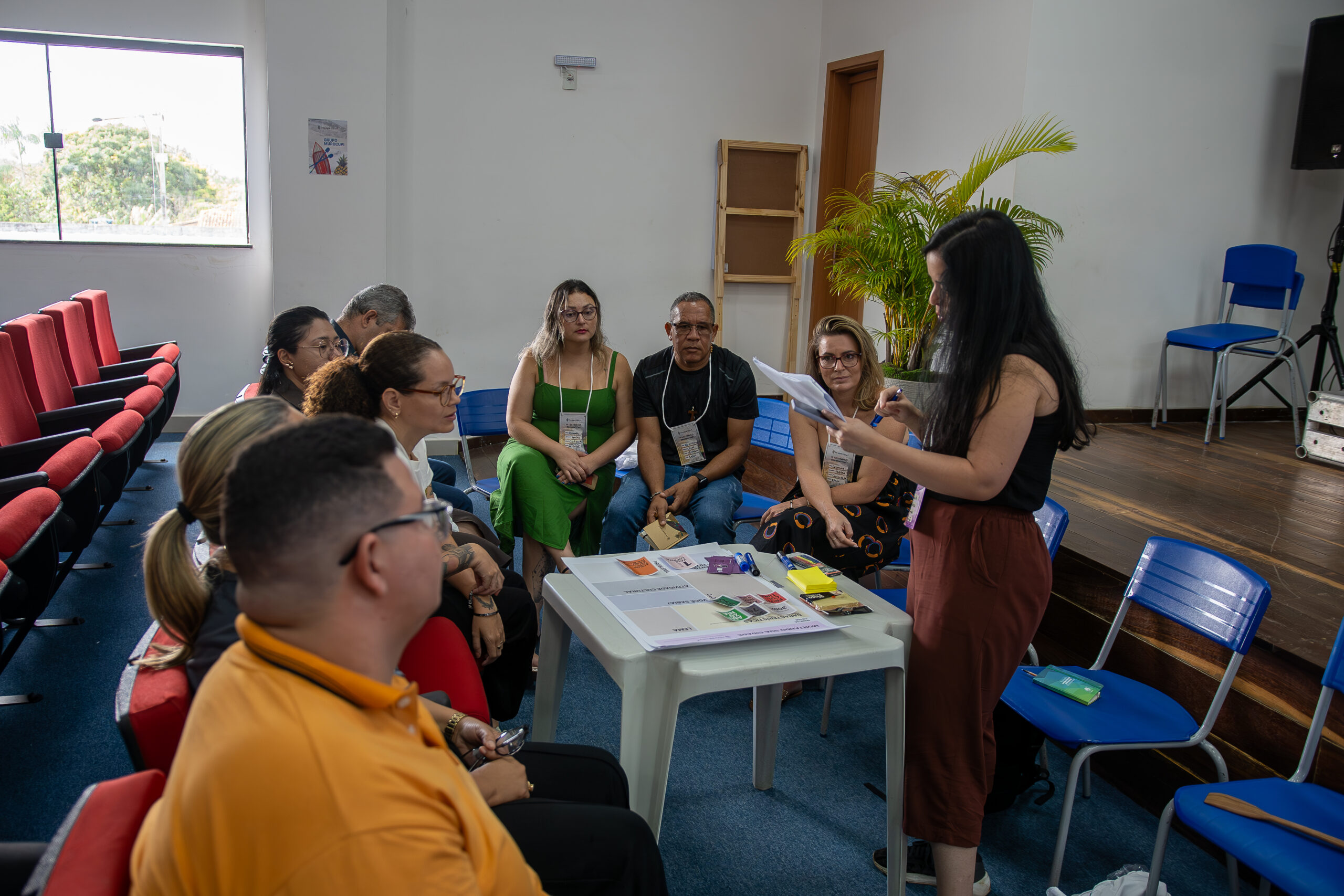
One of the pillars of LUPPA is exchange between cities. During the 4th edition, mentoring and workshops brought together municipalities at different stages of implementing public food policies. Topics such as intersectoral governance, the development of Municipal Food and Nutritional Security Plans, the strengthening of food banks, school meals, and public procurement were at the center of the discussions.
The LUPPA Notebooks: Lessons from the 4th LAB were developed as an open tool for learning and inspiration. The content is available for public consultation and free sharing, with the aim of supporting public managers, civil society organizations, researchers, and people interested in strengthening urban food policies in Brazil.
👉 The complete material can be accessed here.
Share!
To learn more
Keep learning with other related articles