The knowledge of indigenous peoples, quilombola communities, and traditional communities regarding how to plant, cultivate, and feed themselves has, in practice, guided public food policies in various Brazilian cities. In the Alimenta Cidades Strategy, coordinated [...]
WRITTEN BY COMIDA DO AMANHÃ
on 29/04/2026
|
The knowledge of indigenous peoples, quilombola communities, and traditional communities regarding how to plant, cultivate, and feed themselves has, in practice, guided public food policies in various Brazilian cities. In the Alimenta Cidades Strategy, coordinated by the Ministry of Development and Social Assistance, Family, and Hunger Alleviation (MDS), this knowledge is incorporated into initiatives that link food production, access, and consumption to the realities of urban areas, particularly in the most vulnerable neighborhoods.
This process takes shape in municipal implementation plans, a tool through which each city defines and executes its own actions within the framework of the Strategy. As an implementing partner, the Food of Tomorrow Institute provides technical support to 84 municipalities covered by MDS Ordinances No. 1,036/2024 and No. 1,098/2025, closely monitoring the development of these implementation plans and their execution in the localities.
In Mauá (SP), on April 17, this process resulted in the inauguration of the Garden of Ancestral Knowledge at the Falchi Social Assistance Reference Center (CRAS), one of the actions outlined in the city’s municipal implementation roadmap. The result of coordination between the municipal departments of Social Assistance and Food and Nutritional Security, with participation from the local community and support from the Department of Urban Services, the initiative brought together government representatives and Indigenous leaders in a ceremony marked by rituals led by Maura Akã Mbareté and Silvia Monica Muiramomi, of the Guaianá-Muiramomi ethnic group. On the occasion, the Secretary of Food and Nutritional Security, Hélio Tomaz Rocha, highlighted the importance of reviving this knowledge: “It is our duty to return to our ancestral roots because, although progress brings good things, it also brings challenges. Folk wisdom can help us.”
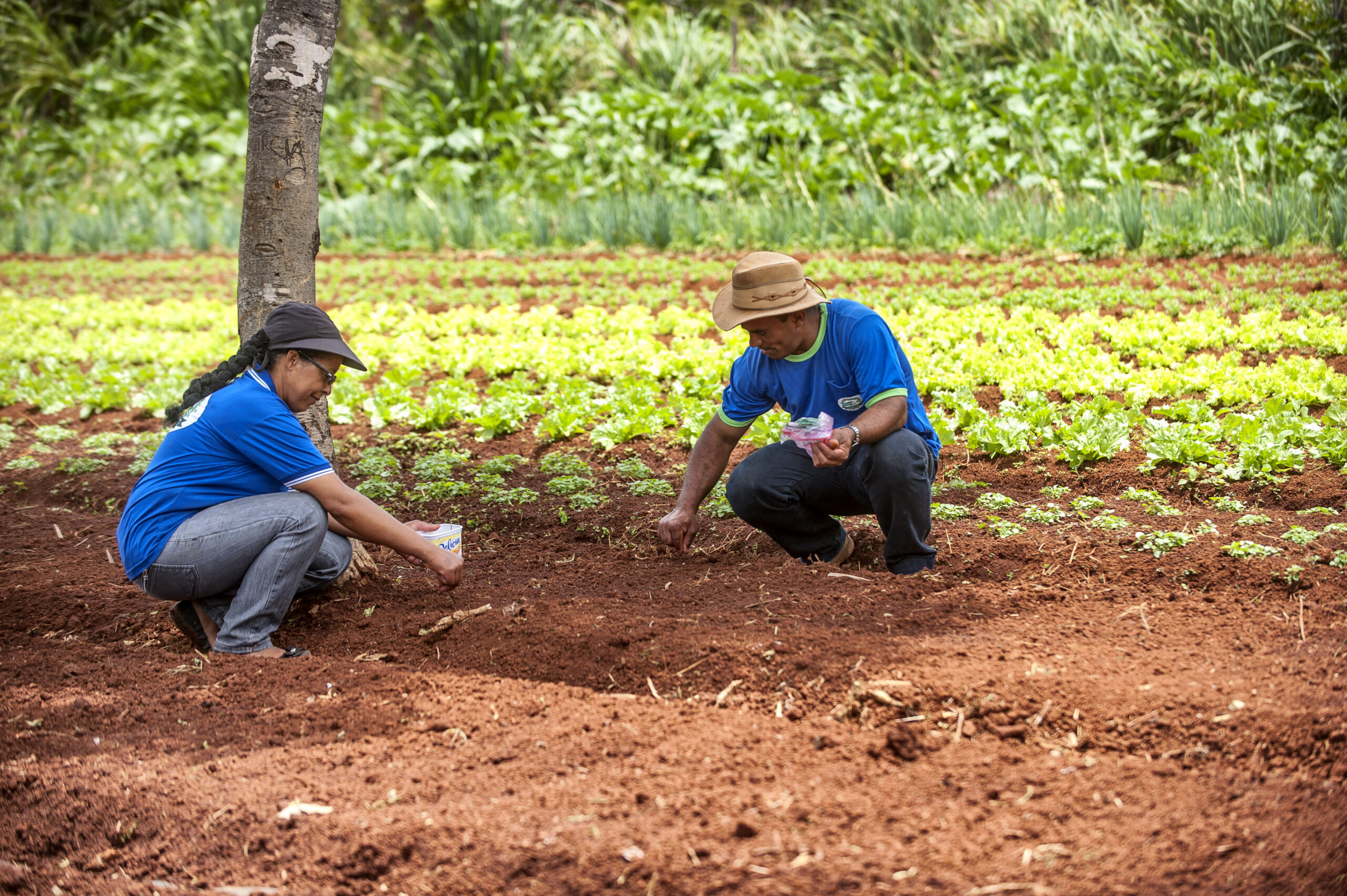
Aimed at families served by CRAS, the Garden of Ancestral Knowledge functions both as a space for producing fresh food and as a tool for food and environmental education, with farming practices guided by knowledge passed down through generations and carried out with the active participation of indigenous groups.
In Santarém (PA), the implementation plan is moving forward with the creation of a Technical Support Center for Family Farming and Artisanal Fishermen, aimed specifically at traditional communities and scheduled for completion in July 2026. The initiative aims to provide assistance to approximately 500 farmers and fishermen, linking local production, mechanization, and access to public policies such as the National School Feeding Program (PNAE). For the riverside and indigenous communities in the region, the initiative goes beyond technical support and recognizes land, water, and food management practices that are part of daily life in these territories.
Book of Experiences: Cities That Inspire Innovative Food Policies
The experiences of Mauá (SP) and Santarém (PA) align with a broader effort to systematize urban food policies, which was consolidated with the launch of the Book of Experiences on Urban Food Policies in 2025. Prepared by the MDS in partnership with the Food of Tomorrow Institute and the cities covered by Ordinance No. 1,036/2024, the Handbook brings together initiatives from all regions of the country with different approaches to strengthening urban food systems, from local production to intersectoral governance.
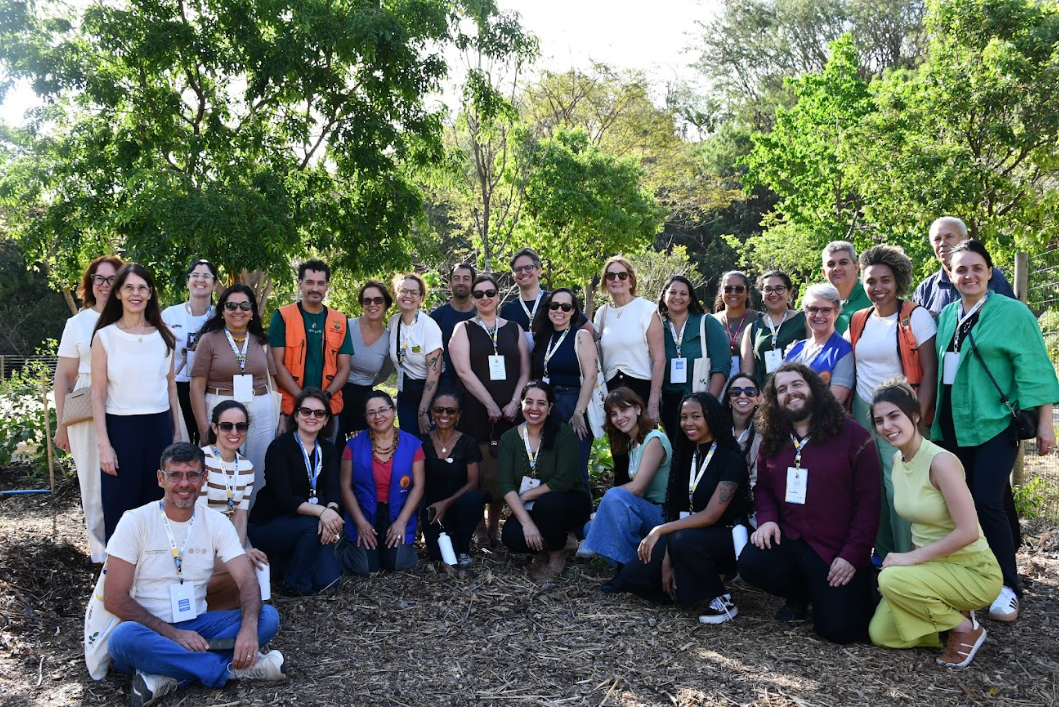
The integration of health, territory, and traditional knowledge characterizes the experience of the Federal District, where the Network of Biodynamic Medicinal Agroforestry Gardens (RHAMB), developed in partnership with Fiocruz Brasília and implemented in Basic Health Units, combines agroecology, integrative practices, and traditional knowledge in urban areas. Created in 2017 at a Basic Health Unit (UBS) in Lago Norte, the network stands out for its use and preservation of native seeds and now comprises 32 gardens and over 12,000 square meters of reclaimed degraded land.
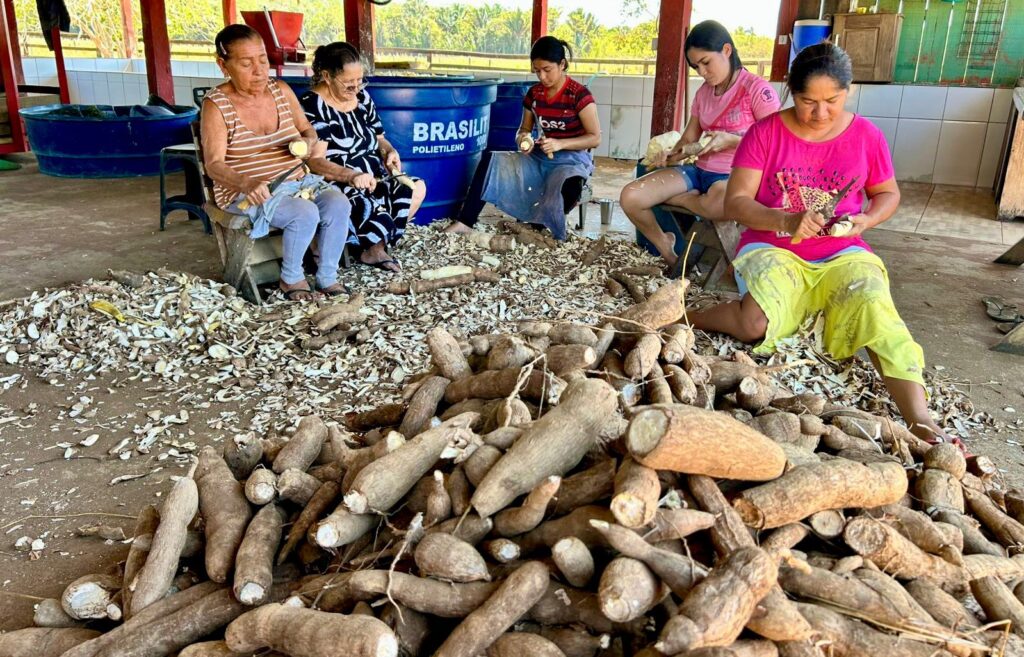
The promotion of productive practices rooted in local culture is the central focus of the initiative in Porto Velho (RO), where the Municipal Secretariat of Agriculture, Livestock, and Supply (Semagric) coordinated training, infrastructure, and access to institutional markets to strengthen cassava cultivation among family farmers. The partnership with the Food Acquisition Program (PAA) and the PNAE expanded the marketing opportunities for artisanal flour, strengthening local production and consumption networks.
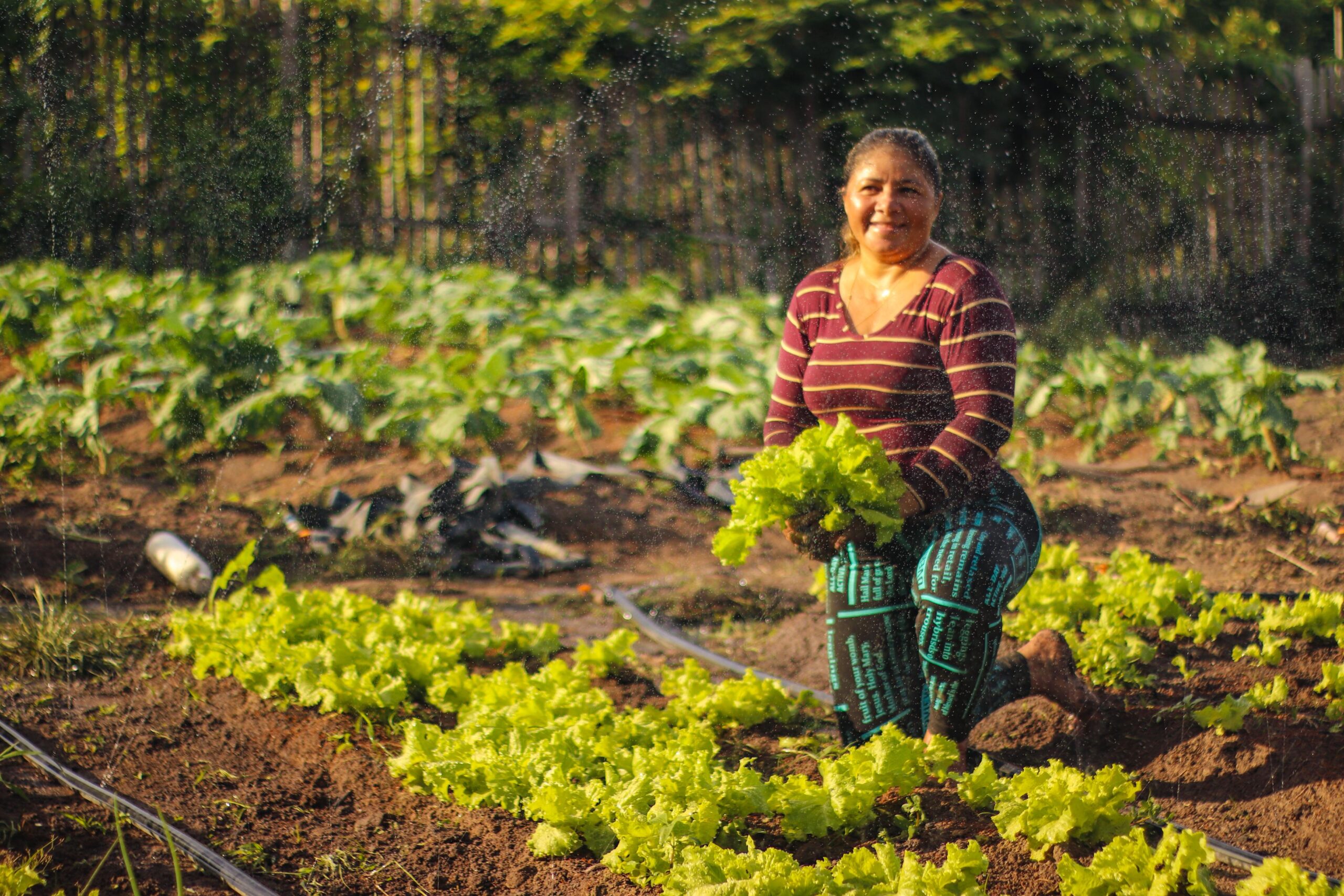
For farmers like Raimunda Luísa Nunes Moreira, this work has a significance that goes beyond production: “For me, it’s very important, because it’s a tradition that dates back to when we lived along the river, as riverine communities. I try not to let that be lost. Planting cassava and producing artisanal flour are a legacy of our family, passed down from my mother, which I continue to pass on.”
Meanwhile, the convergence of environmental and food policies is evident in São Bernardo do Campo (SP), where agroforestry systems have been implemented in three villages within the Tenondé Porã Indigenous Territory. The initiative, led by the Secretariat of Environment, Sustainability, and Animal Protection with state support, combines agricultural crops with native species, promoting environmental recovery and continuous food production. With practical workshops and training activities integrated into the process, the project ensures that knowledge remains within the territories and strengthens the autonomy of the Guarani Mbya communities involved.
Other initiatives that expand on this landscape can be found in the Compendium of Experiences on Urban Food Policies.
The Role of Comida do Amanhã Institute
The Food of Tomorrow Institute acts as an implementing partner for the Food Cities Strategy in 84 municipalities, 60 of which are in the first cycle, covered by MDS Ordinance No. 1,036/2024, and 24 incorporated into the expansion phase, under MDS Ordinance No. 1,098/2025. The main objective of the partnership is to support the development of solutions tailored to the needs of each region, contributing technical analyses, knowledge generation, and coordination with local governments, based on a systemic approach to urban food that considers the social, environmental, economic, and cultural factors that influence access to adequate food.
Share!
To learn more
Keep learning with other related articles