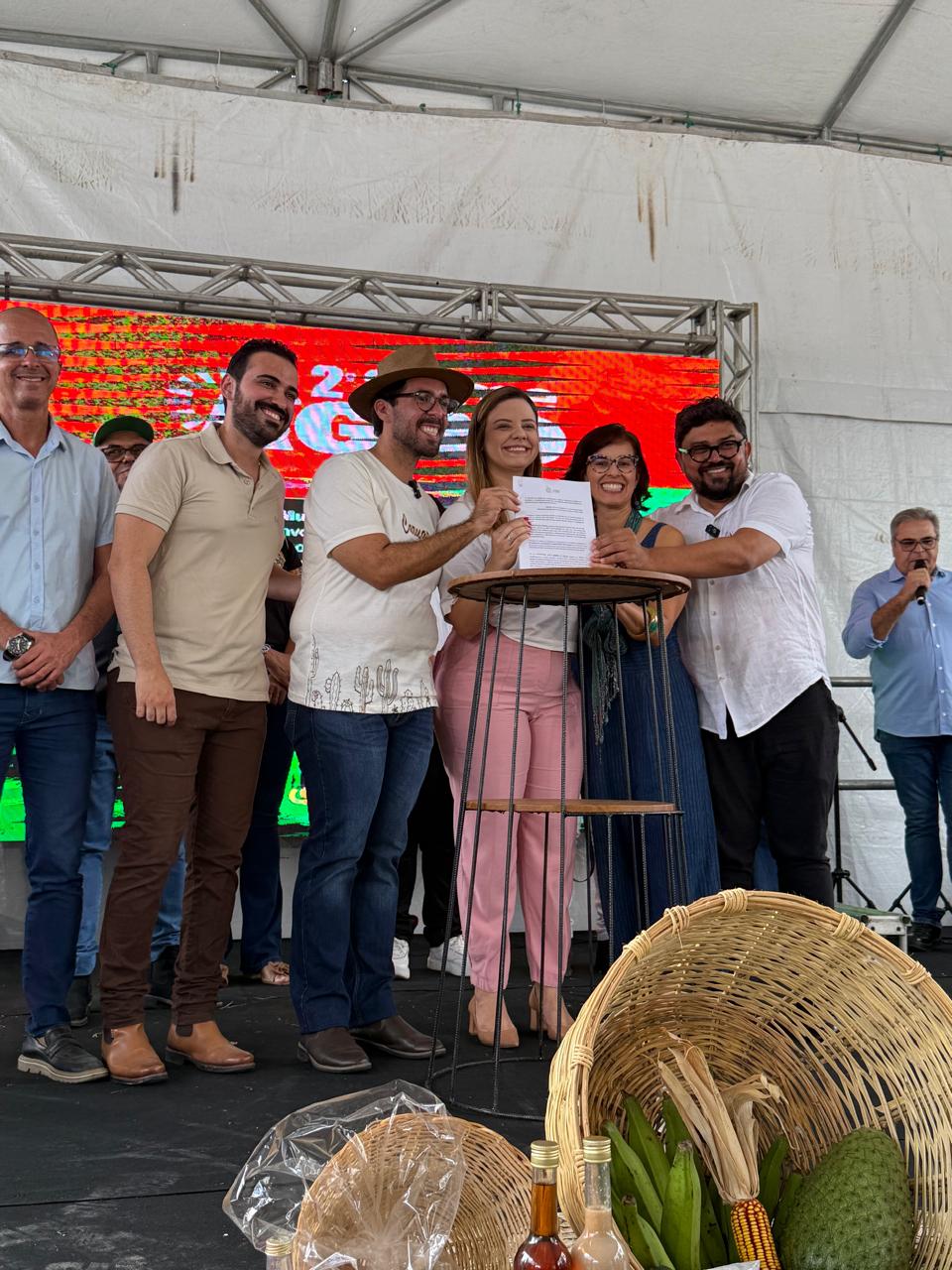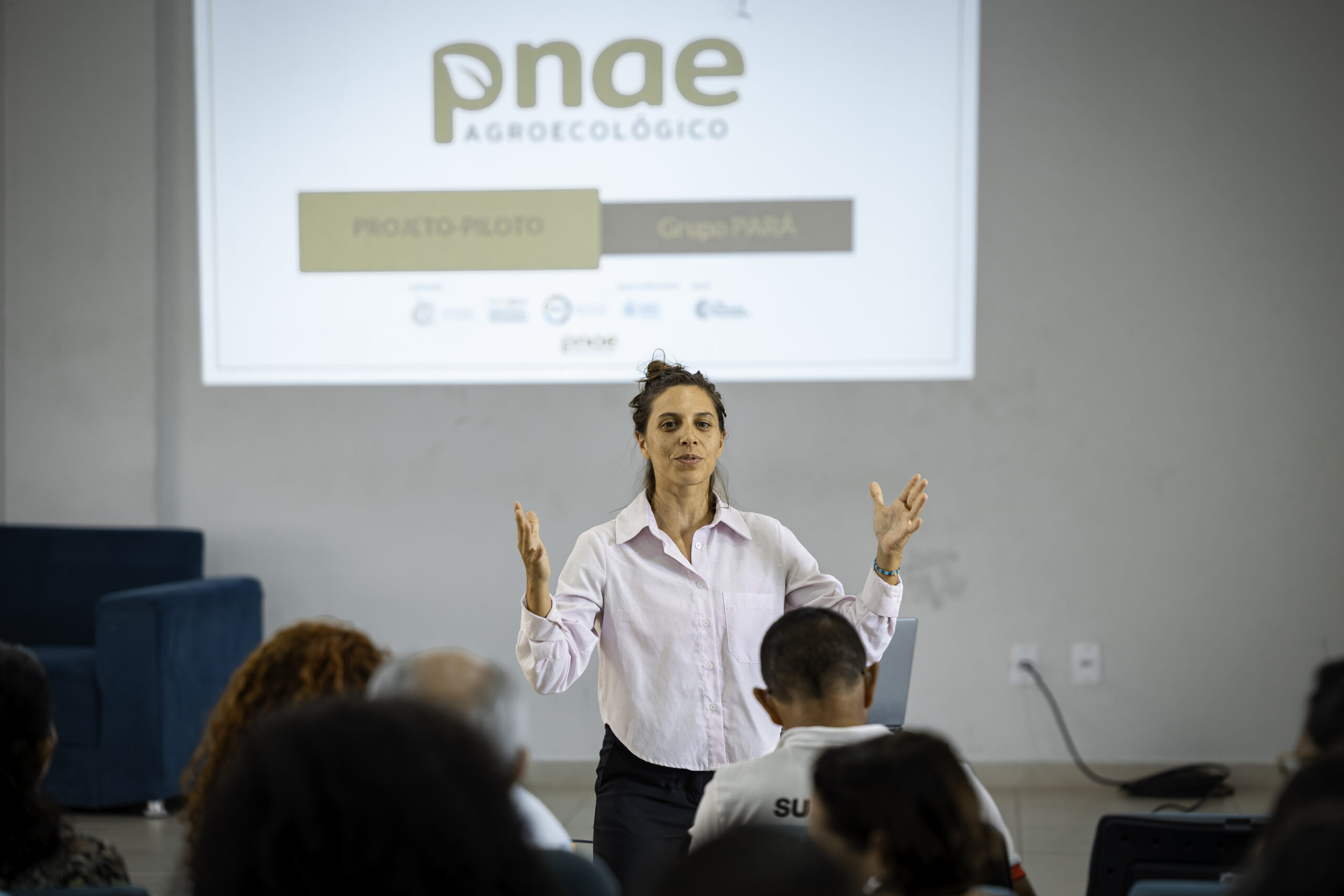
The first stage of the PNAE Agroecológico project was completed on June 3, in Caruaru (PE). Focused on the diagnosis and engagement with the territories, this phase involved in-person meetings in São José dos Pinhais [...]
WRITTEN BY COMIDA DO AMANHÃ
on 16/12/2025
|
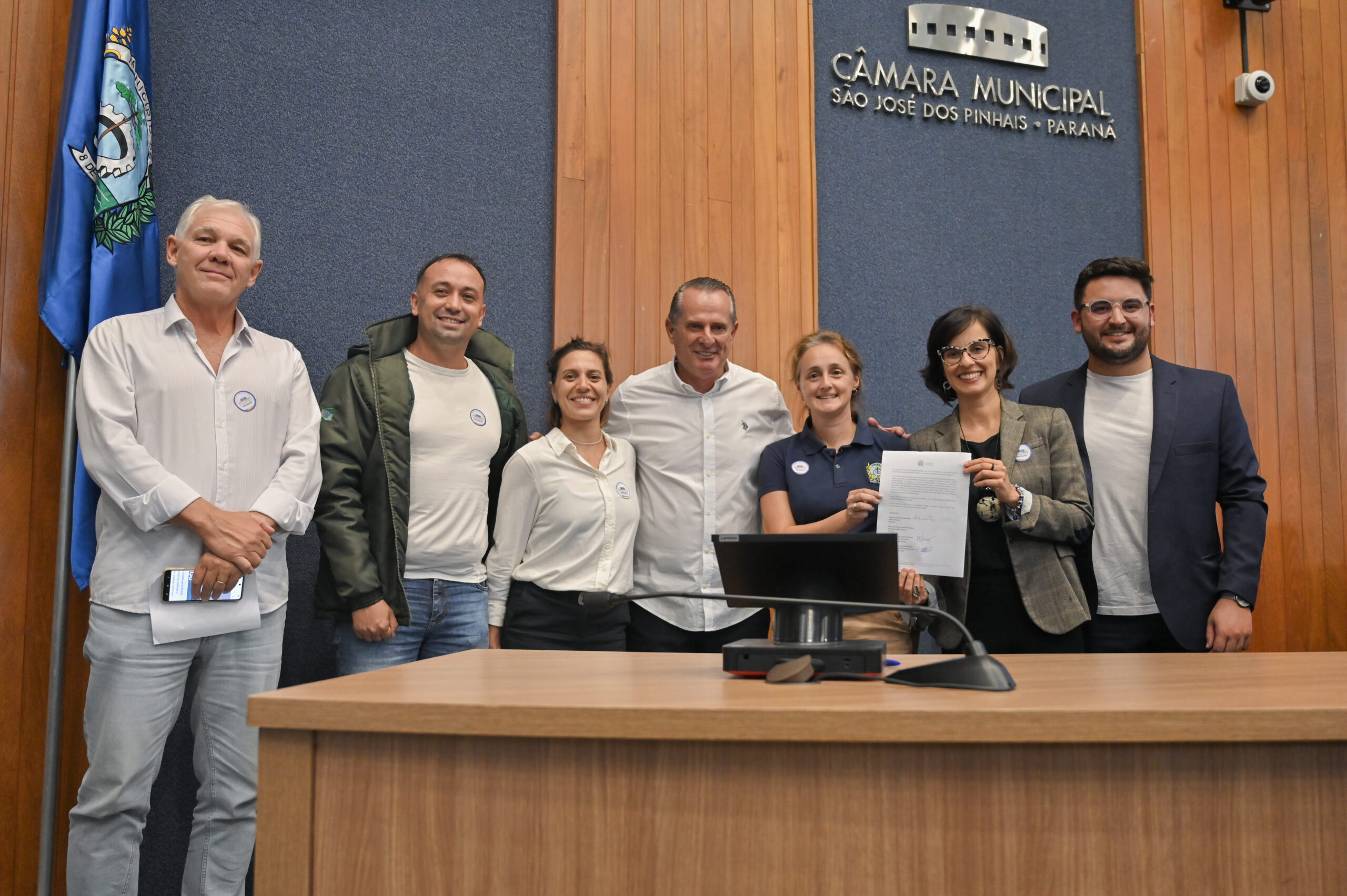
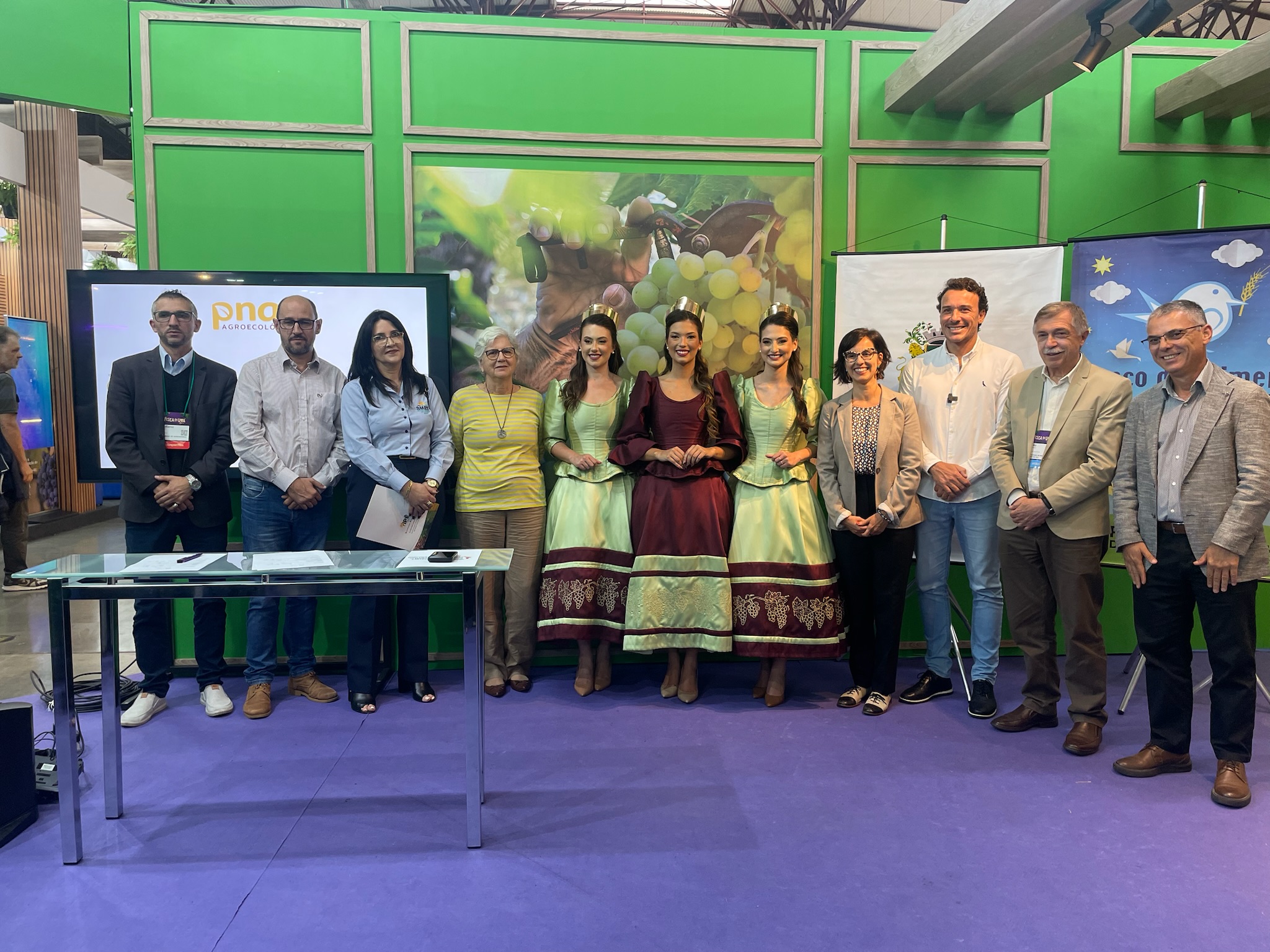
The first stage of the PNAE Agroecológico project was completed on June 3, in Caruaru (PE). Focused on the diagnosis and engagement with the territories, this phase involved in-person meetings in São José dos Pinhais (PR), Caxias do Sul (RS), Barcarena (PA) and Caruaru (PE), municipalities selected for the construction of the pilot projects at this first phase. Barcarena and Caxias do Sul are part of collective participations in the project: in the State of Pará, the group is formed by Barcarena, Abaetetuba, Marituba and Benevides; in the State of Rio Grande do Sul, the municipalities of Caxias do Sul, Antônio Prado, Ipê, Montenegro and Porto Alegre are participating.
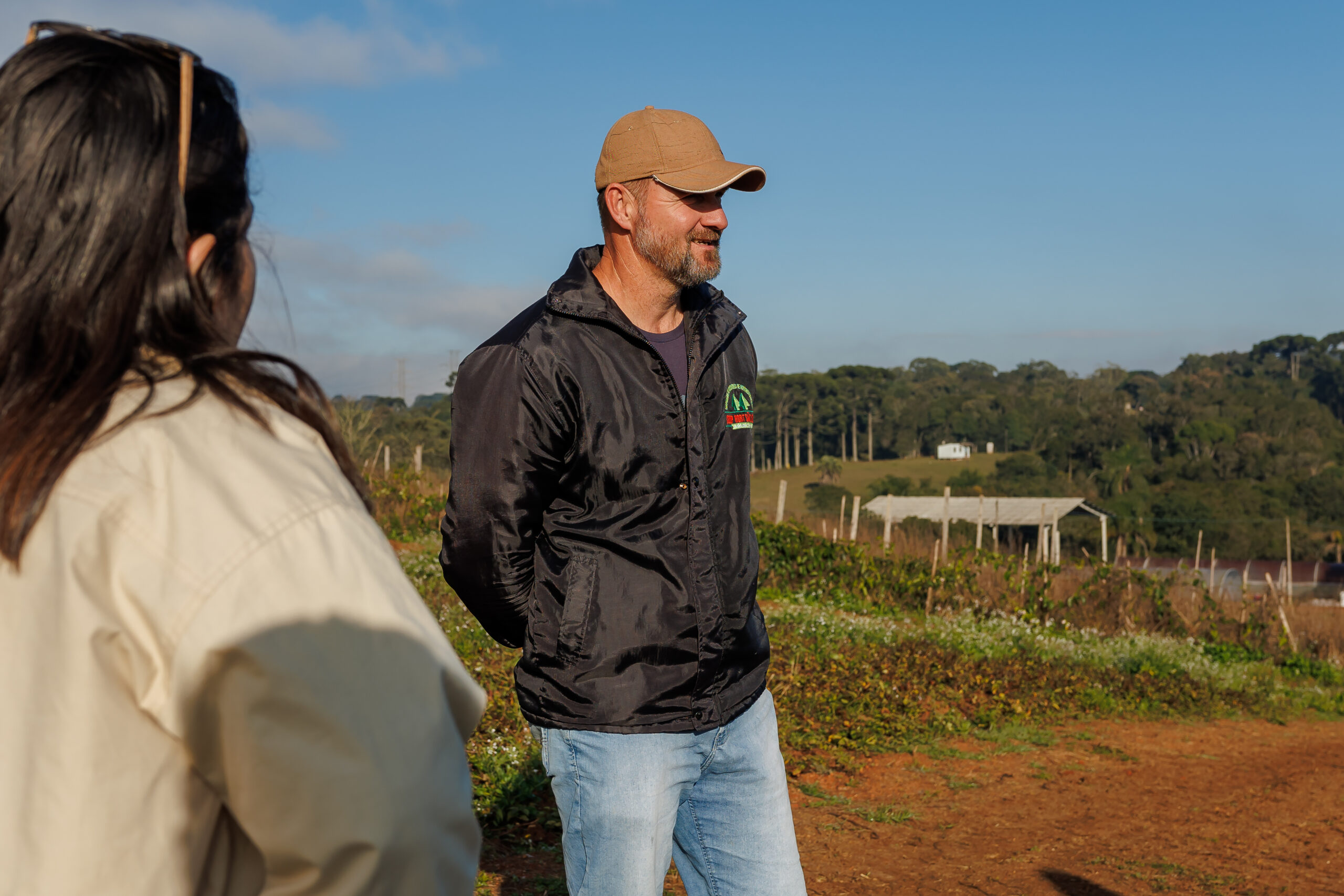
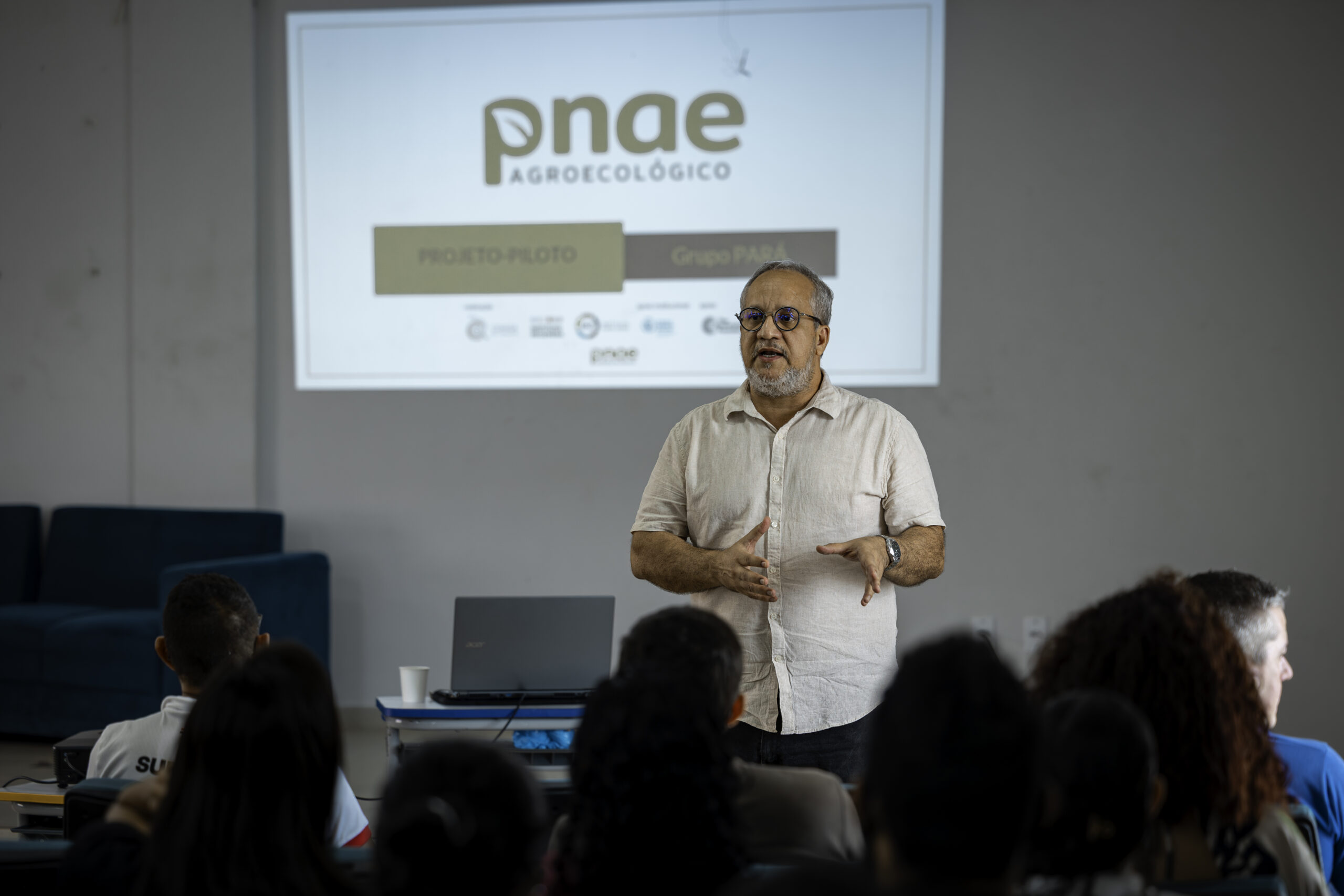
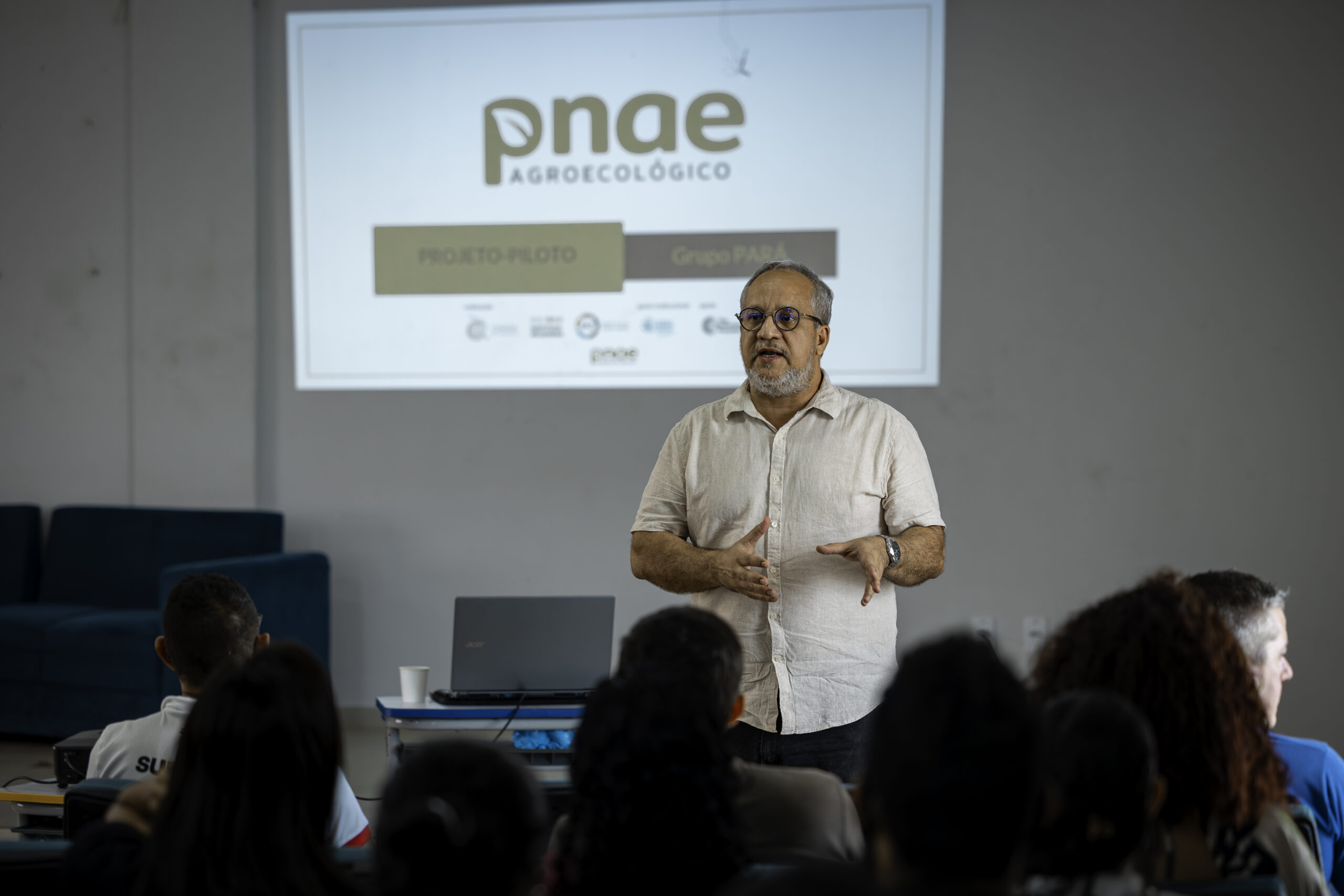
The meetings took place throughout the month of May and were attended by representatives of the municipal administrations of the participating cities, as well as state and federal agencies, cooperatives and organizations linked to family farming. From now on, the work advances to the second stage, which involves systematizing the data collected during the meetings and the information provided by the city halls, as well as mapping local farmers and their production, and the co-creation of pilot projects with the participating municipalities.
This phase will include online meetings with municipal teams and in-person meetings in each territory, as well as coordination and the collection of information needed to design and implement the projects.
Gabriela Vieira, a Public Policy analyst at Comida do Amanhã who leads the project, highlights that the next stage will be developed collaboratively. “The expectation is that a design will be developed based on this previous diagnosis, and that it will be done by many hands, especially by municipal administration, so that the project aligns with reality and is consistent with the specificities of each locality and each territory.”
By early July, the first meeting dedicated to the start of the co-design phase will take place, focusing on the analysis of the data collected in the previous phase and the joint development of guidelines to respond to the specific needs of each locality.
Kássia Ripardo, municipal administrator at the city of Benevides, which is part of the Pará Group, says that the project came to strengthen the agroecological initiatives of the participating municipalities. “I believe that PNAE Agroecológico will serve as a window to demonstrate to other municipalities in Brazil that the agroecological transition is possible, necessary and can be profitable. Based on this, we will develop a pilot project that will encourage many other municipalities in Brazil to make this transition and that will be able to bring more quality of life and food security”, she highlights.
Methodology
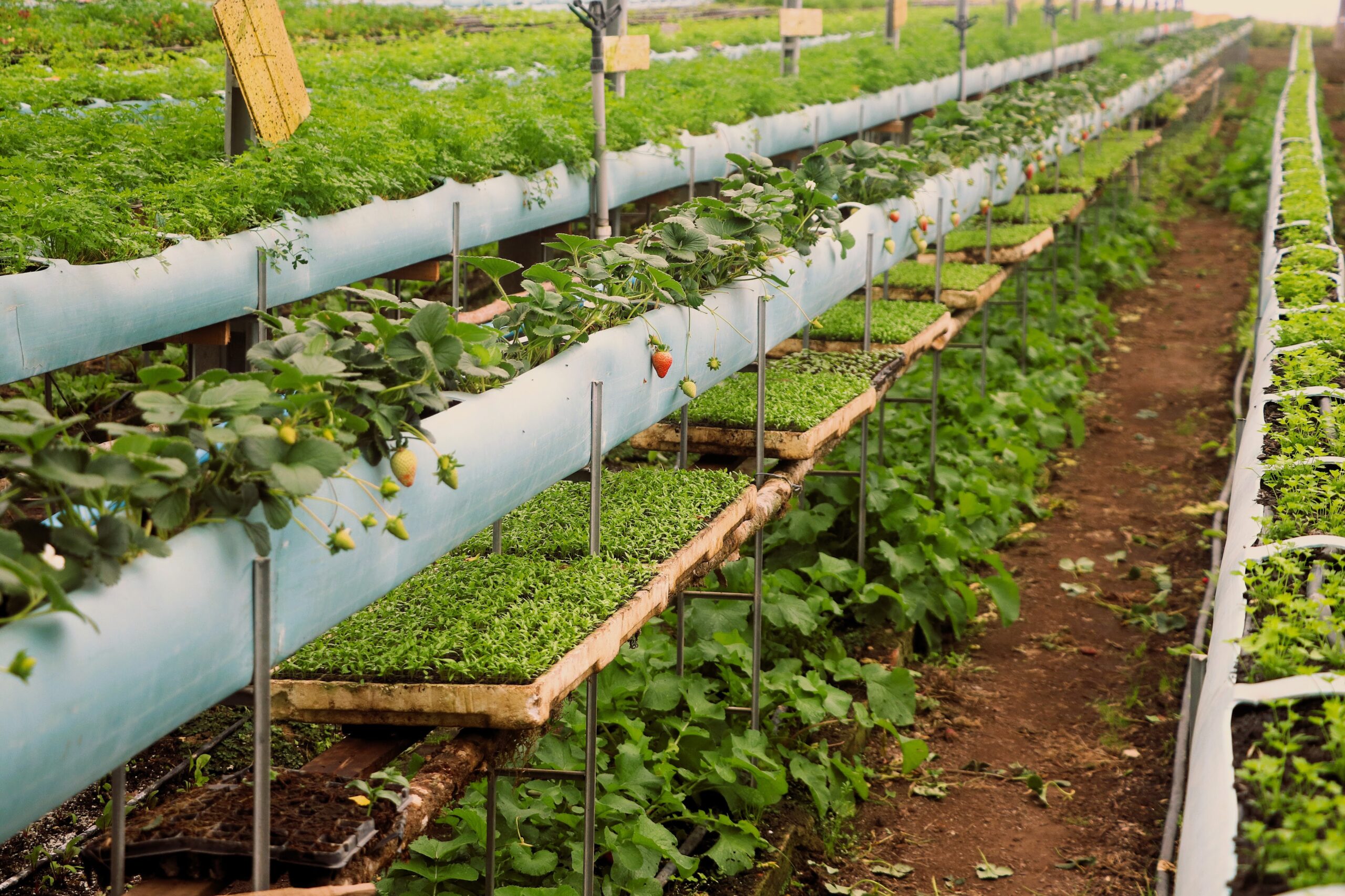
Throughout the initial phase, the municipalities carried out a detailed diagnosis encompassing their productive base, their food production practices, their school meals program implementation, and their public procurement policies, especially for school meals. This information will serve as a basis for the development of pilot projects in the second phase, which aims to facilitate the agroecological transition of family farming production in these territories. The proposal aims to develop effective, sustainable and lasting solutions that drive innovation in public policy, strengthen municipalities’ autonomy in the agroecological transition and prevent isolated actions.
Peiman Milani, director of food systems and school meals at the Rockefeller Foundation, says that the project represents a mobilization for improvements in several sectors. “School feeding is health, nutrition, social protection, economic development, agriculture promotion, and the empowerment of farmers and women, all in a single intervention. An initiative like PNAE Agroecológico has the potential to transform food systems while achieving all these benefits to society”, he affirmed.
The project is expected to run for four years and includes the preparation of a policy paper with proposals and recommendations aimed at updating PNAE’s regulatory guidelines, focusing on promoting agroecology in Brazil.
Share!
To learn more
Keep learning with other related articles