The program promotes the exchange of experiences, technical discussions, and the collective development of strategies aimed at strengthening agroecological agriculture Representatives from technical advisory and rural extension (ATER) teams and municipal public officials will gather [...]
WRITTEN BY COMIDA DO AMANHÃ
on 10/07/2026
|
The program promotes the exchange of experiences, technical discussions, and the collective development of strategies aimed at strengthening agroecological agriculture
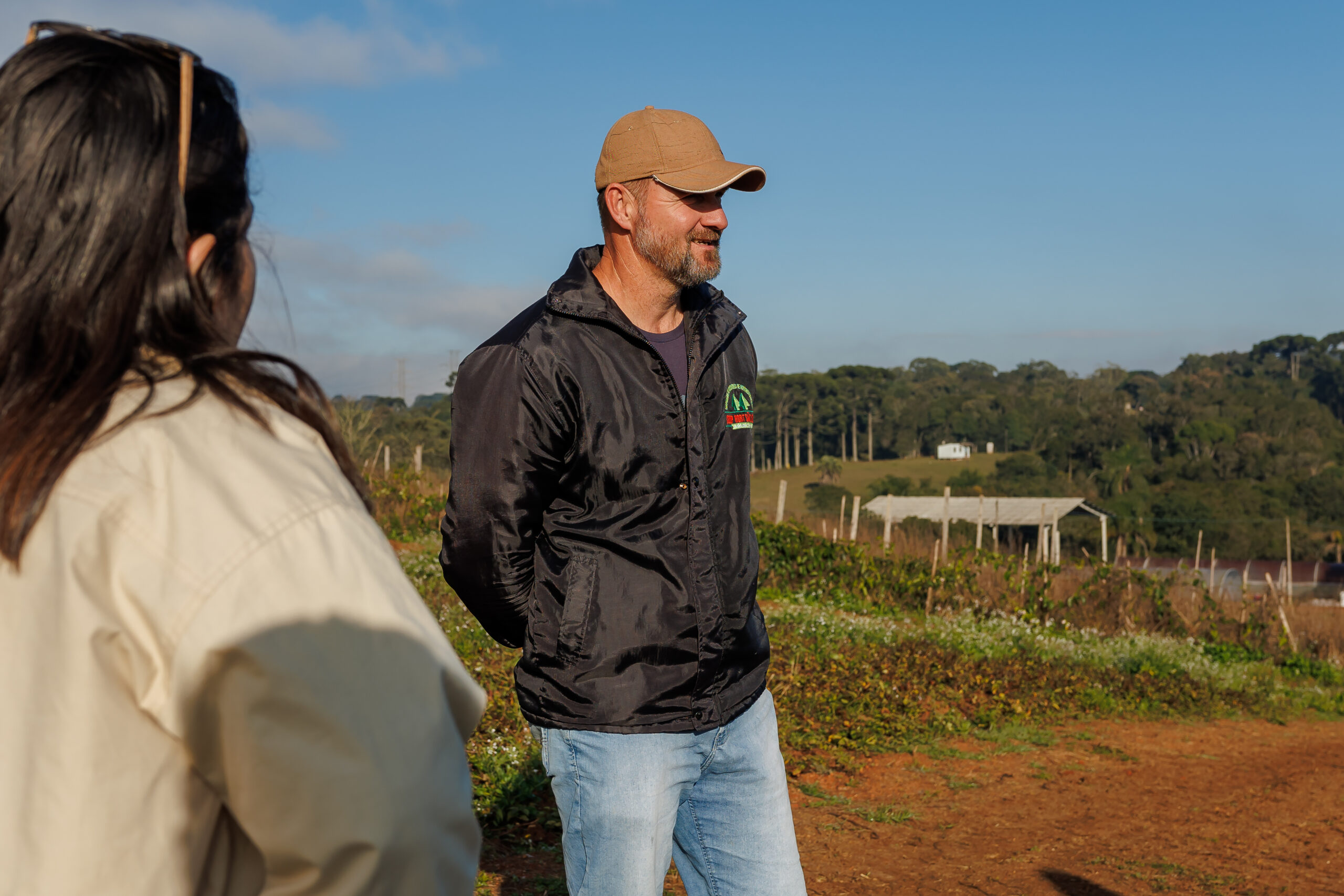
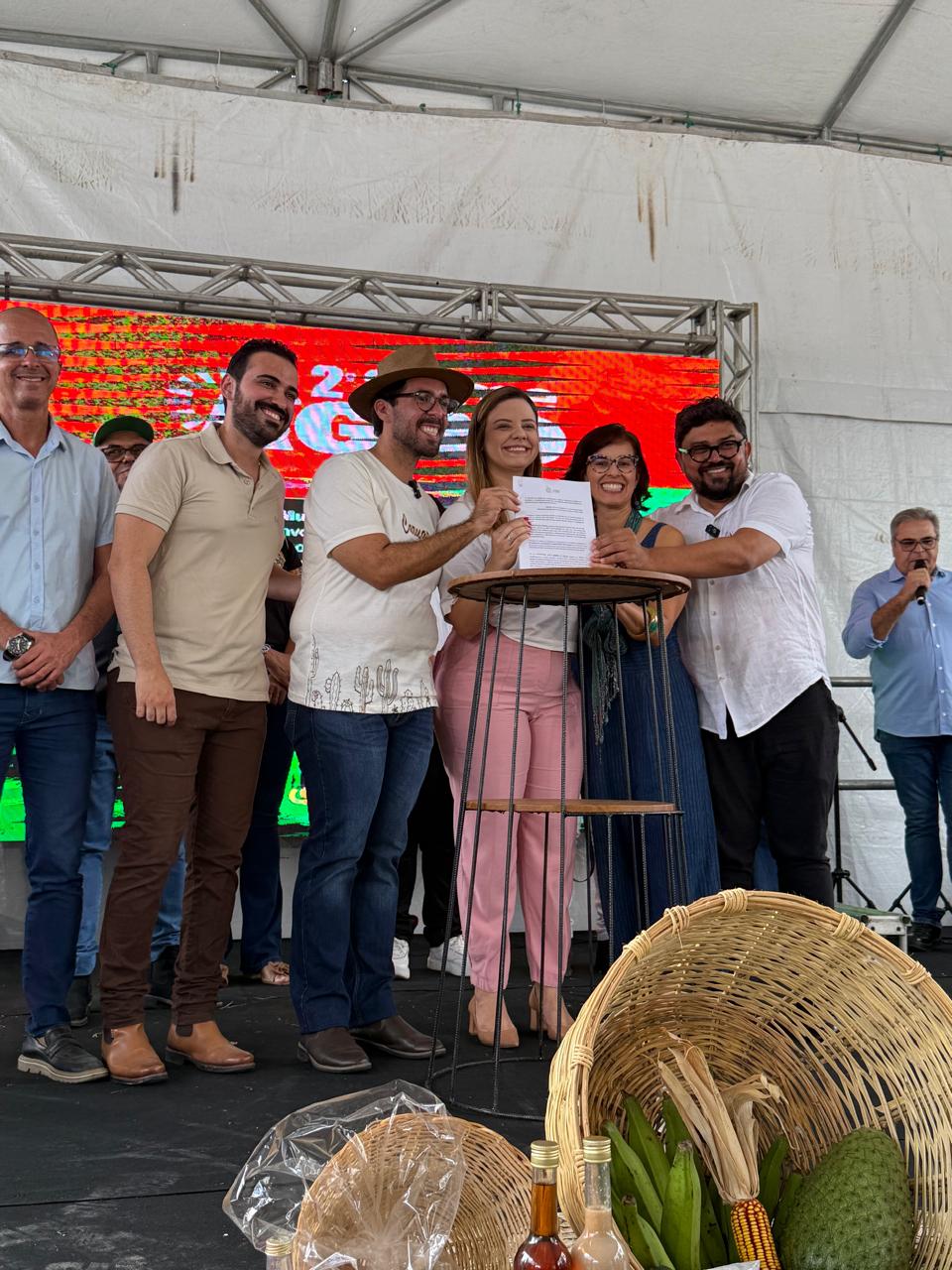
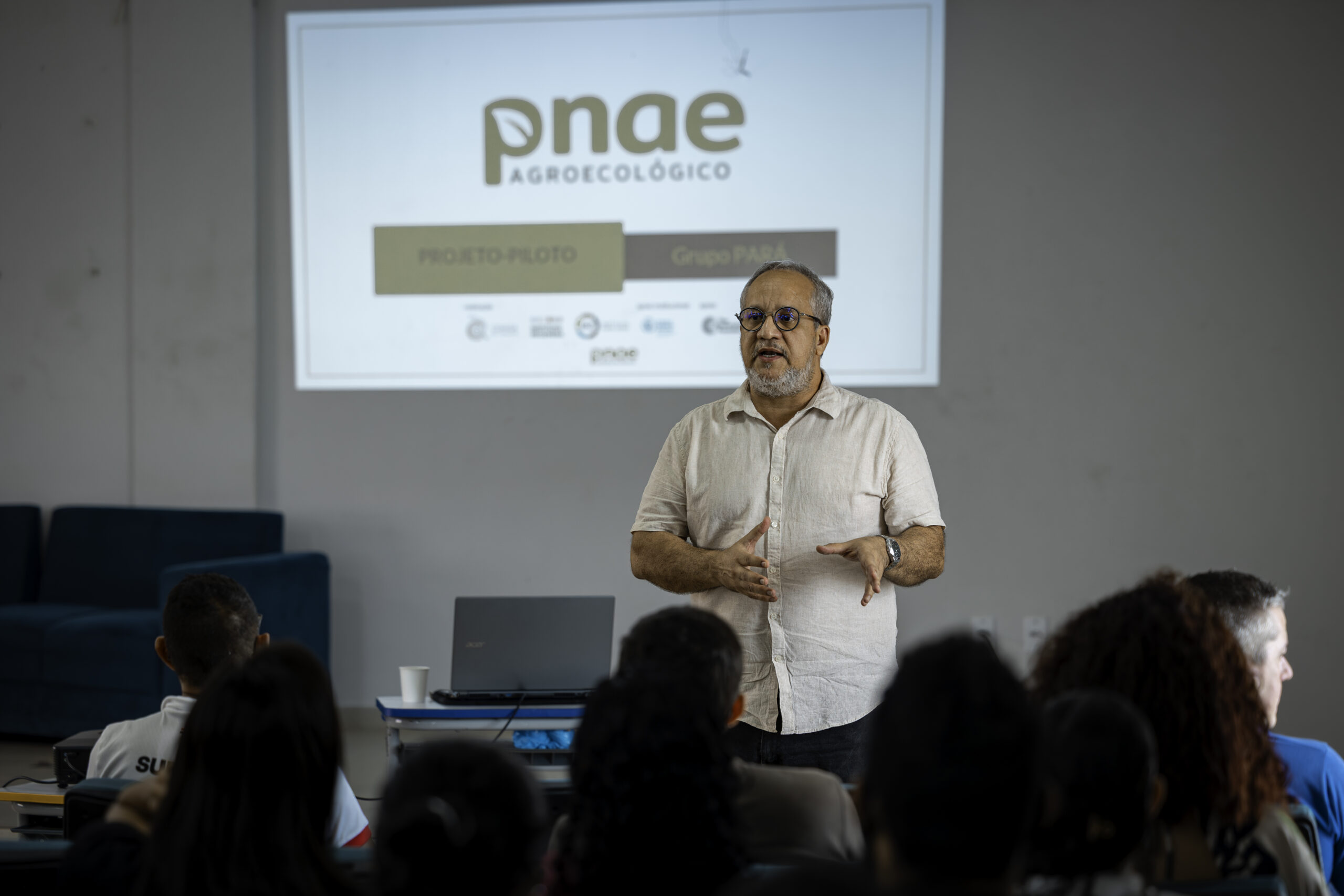
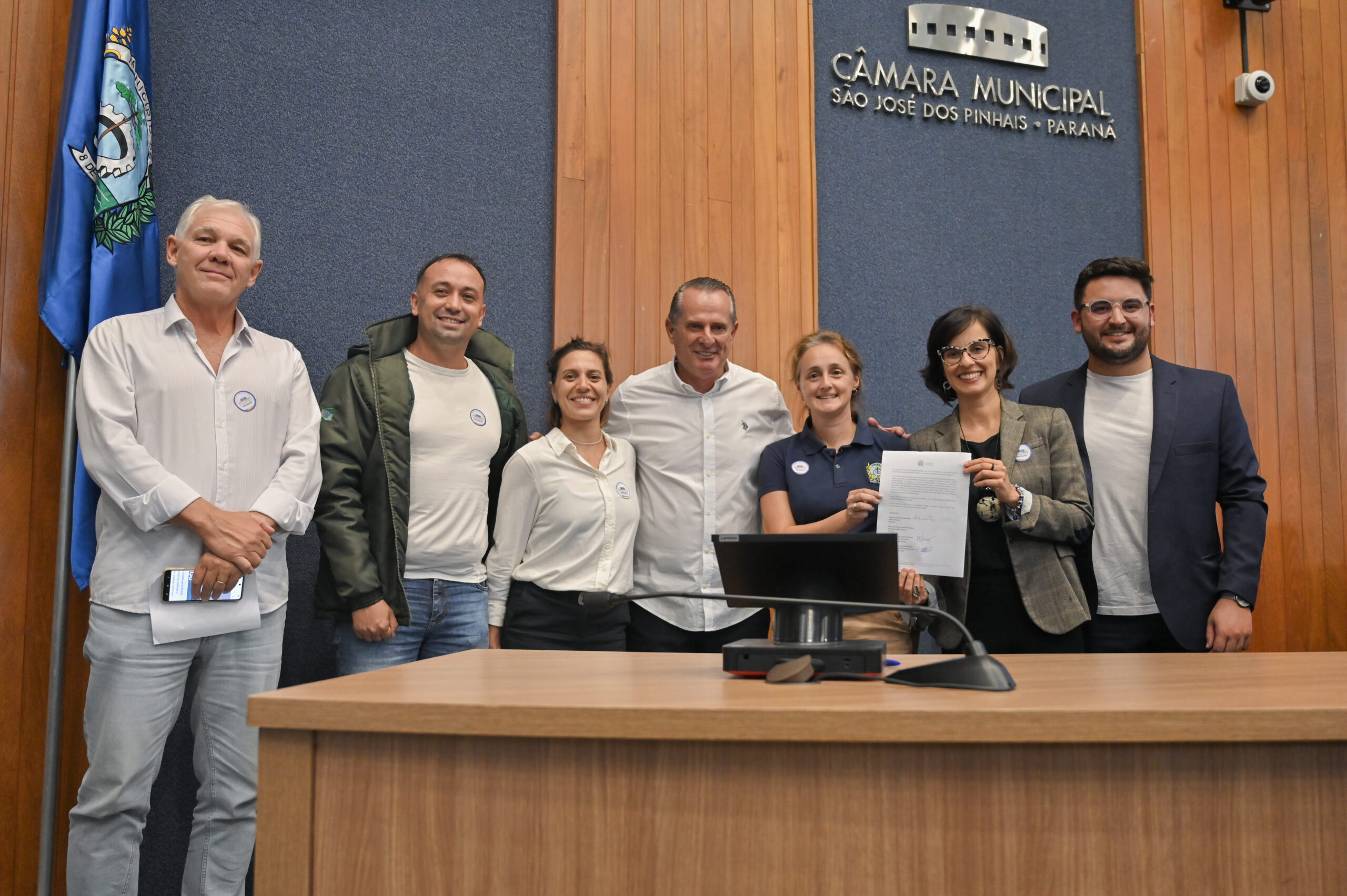
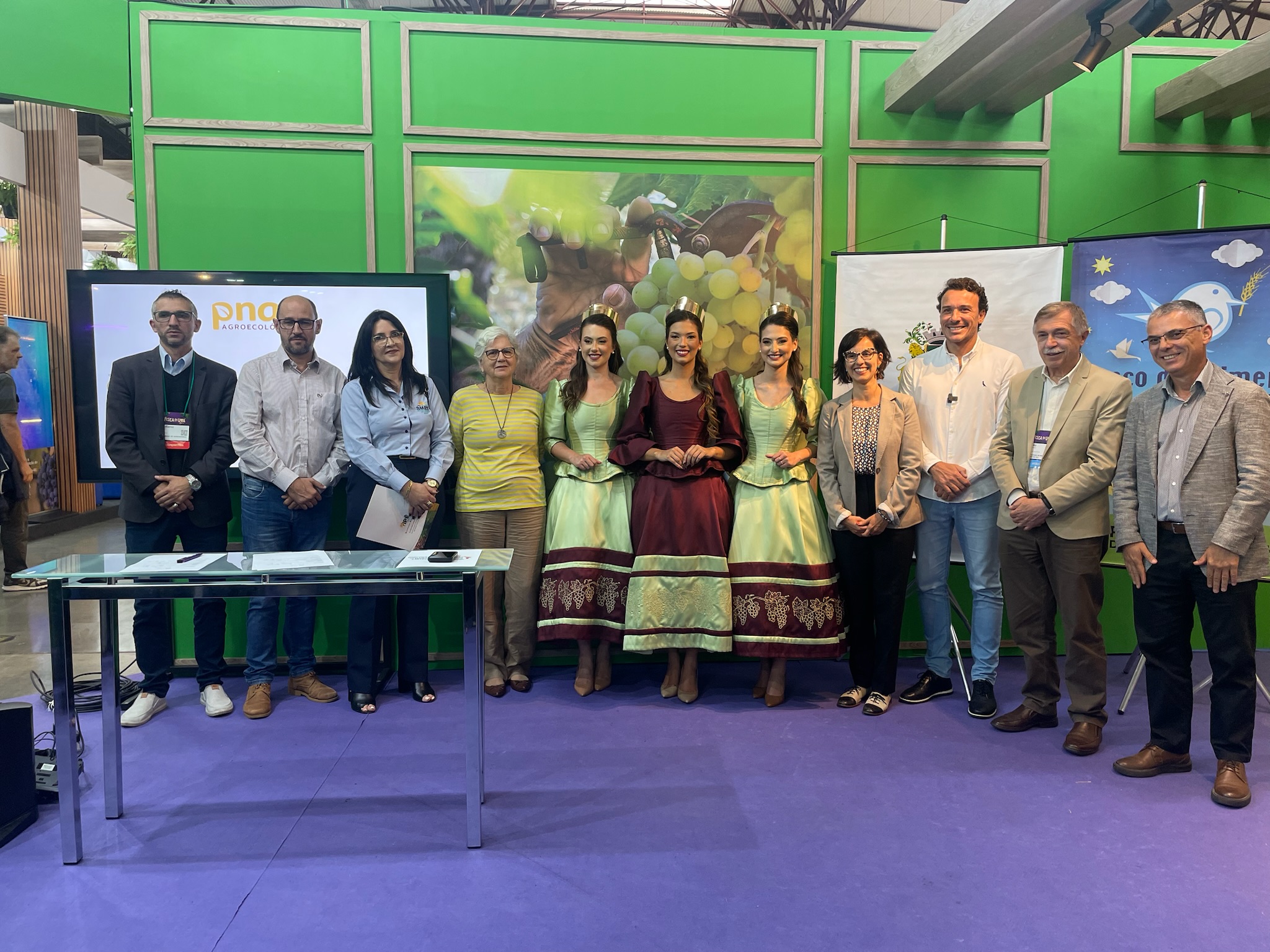
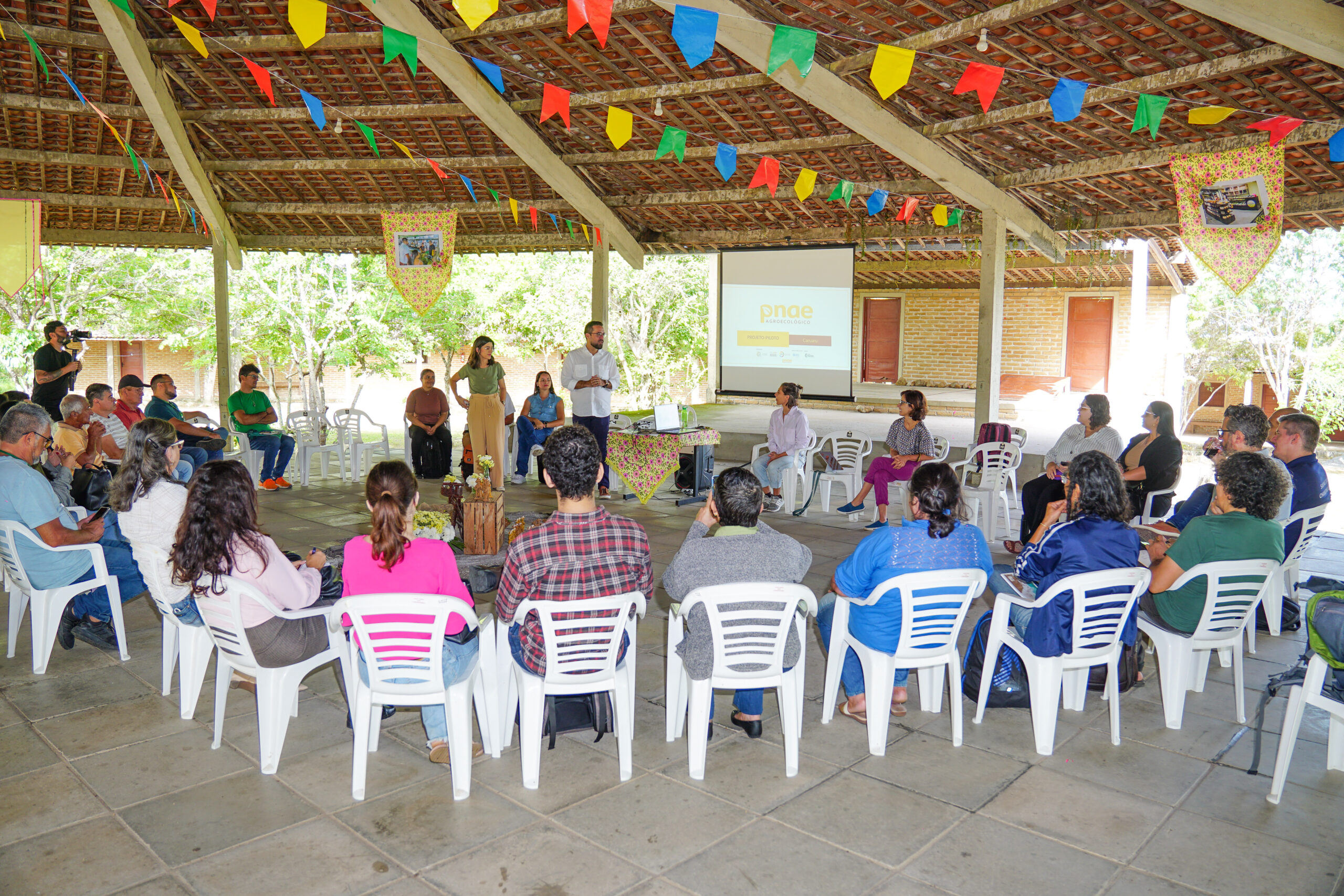
Representatives from technical advisory and rural extension (ATER) teams and municipal public officials will gather on July 13 and 14, starting at 9 a.m., for the Exchange on Agroecological Transition within the Framework of the Agroecological PNAE, an initiative aimed at strengthening the agroecological transition and family farming through school feeding programs. Participants include representatives from municipalities that are already part of the Agroecological PNAE, among them Caruaru (PE), São José dos Pinhais (PR), Marituba, Barcarena, Benevides, and Abaetetuba in Pará, as well as Porto Alegre, Ipê, Montenegro, Antônio Prado, and Caxias do Sul in Rio Grande do Sul.
Held at the CPRA Agroecology Research Station (IDR-Paraná) in Pinhais (PR), the event is part of the Agroecological PNAE, a nationwide initiative led by the Food for Tomorrow Institute, in partnership with AOPA, Centro Ecológico, CETAP, Instituto Regenera, Centro Sabiá, and Instituto Fome Zero (IFZ), and with support from the World Food Program (WFP) Center of Excellence Against Hunger in Brazil and the Rockefeller Foundation.
The program will bring together project partners to share experiences, align methodologies, and collaboratively develop strategies capable of amplifying the impact of initiatives carried out in participating regions. Over the course of two days, participants will discuss the main challenges and opportunities of the agroecological transition in Brazil, taking into account the specific characteristics of each region. The meeting also aims to strengthen integration, encourage the sharing of best practices, and define common paths toward achieving the overarching goal of ensuring that an increasing amount of agroecological food reaches the National School Feeding Program (PNAE).
“More than just sharing experiences, we want this meeting to strengthen the network of people and organizations that had the courage to put such an innovative and challenging project into practice. These are public officials, technical advisory teams, and partners who believe in the agroecological transition and recognize the potential of public policies—especially the PNAE—as a tool for transforming food systems. “We are very proud to bring together a team of excellence, committed to collaboratively building solutions, paving the way to strengthen the agroecological transition, expand opportunities for local family farming, and ensure that more and more healthy, fairly and sustainably produced food reaches Brazilian schools,” says Gabriela Rodrigues, project coordinator at the Food of Tomorrow Institute.
The program will begin with discussions on the current state of the agroecological transition and the initiative’s role in this context, presenting the results of data collection conducted so far with farming families, followed by group activities organized by region. During these activities, participants will map out local potential, challenges, and opportunities, identifying strategies to expand the adoption of practices for the agroecological transition and strengthen sustainable production systems.
The second day will be dedicated to exploring collective pathways to address the identified challenges. Divided by areas of focus—such as management, technical assistance, and rural extension (ATER)—participants will develop methodological proposals aimed at addressing the identified challenges and meeting the project’s goals. The activities will conclude with a presentation of the results, a collective discussion, and the definition of next steps. In addition to the workshops and planning sessions, the program includes a technical visit to the CPRA.
About the Food of Tomorrow Institute
The Food of Tomorrow Institute is a think tank working to facilitate the transition to food systems that are healthy for people and the planet, starting in cities. For more information, visit www.comidadoamanha.org.
Share!
To learn more
Keep learning with other related articles