At 45, farmer Rogério Negoseki, from São José dos Pinhais (PR), can’t imagine doing anything other than farming. The son of farmers, he even tried to pursue other paths in his youth, but returned to [...]
WRITTEN BY COMIDA DO AMANHÃ
on 28/07/2026
|
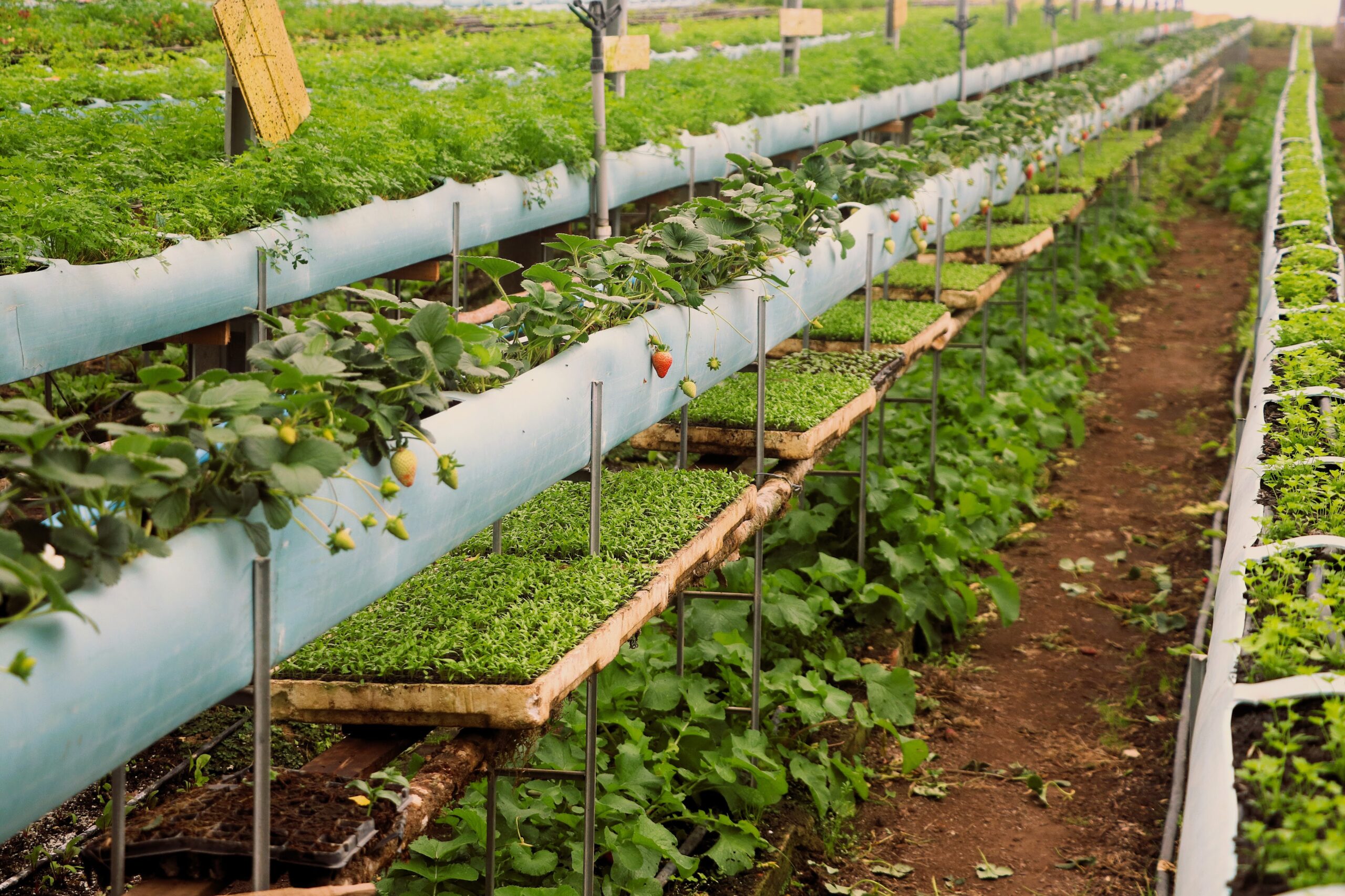
At 45, farmer Rogério Negoseki, from São José dos Pinhais (PR), can’t imagine doing anything other than farming. The son of farmers, he even tried to pursue other paths in his youth, but returned to the countryside out of a sense of calling. Today, he grows sweet potatoes, pumpkins, and strawberries, and is planting new orchards with pitaya, grapes, and ponkan (also known as tangerines or mexericas). More than just carrying on the family tradition, he seeks to innovate to secure the future of his farm.
Having made his living exclusively from farming for over two decades, Rogério closely follows changes in the agricultural sector, from market shifts to the challenges posed by the climate. Even in the face of difficulties, he has never considered abandoning the work he learned as a child alongside his family. Now, he dreams of seeing his daughter follow in his footsteps; she plans to study agronomy and carry on the work on the farm.
“I often say that I want to die as a farmer—I just don’t want to die with a hoe in my hand. I want to work in agriculture by seeking out technologies, new production methods, and anything that adds value so that we can make a living from it. Even though I know it isn’t always valued and that we depend on the weather and the market, this is what I want to do,” he says.
For Rogério, producing food goes far beyond generating income. The farmer explains that his own family is the primary consumer of what comes from the fields, which reinforces his concern for the quality of production. At home, his daughter grew up picking fruit directly from the greenhouse, without any fear of eating freshly harvested produce.
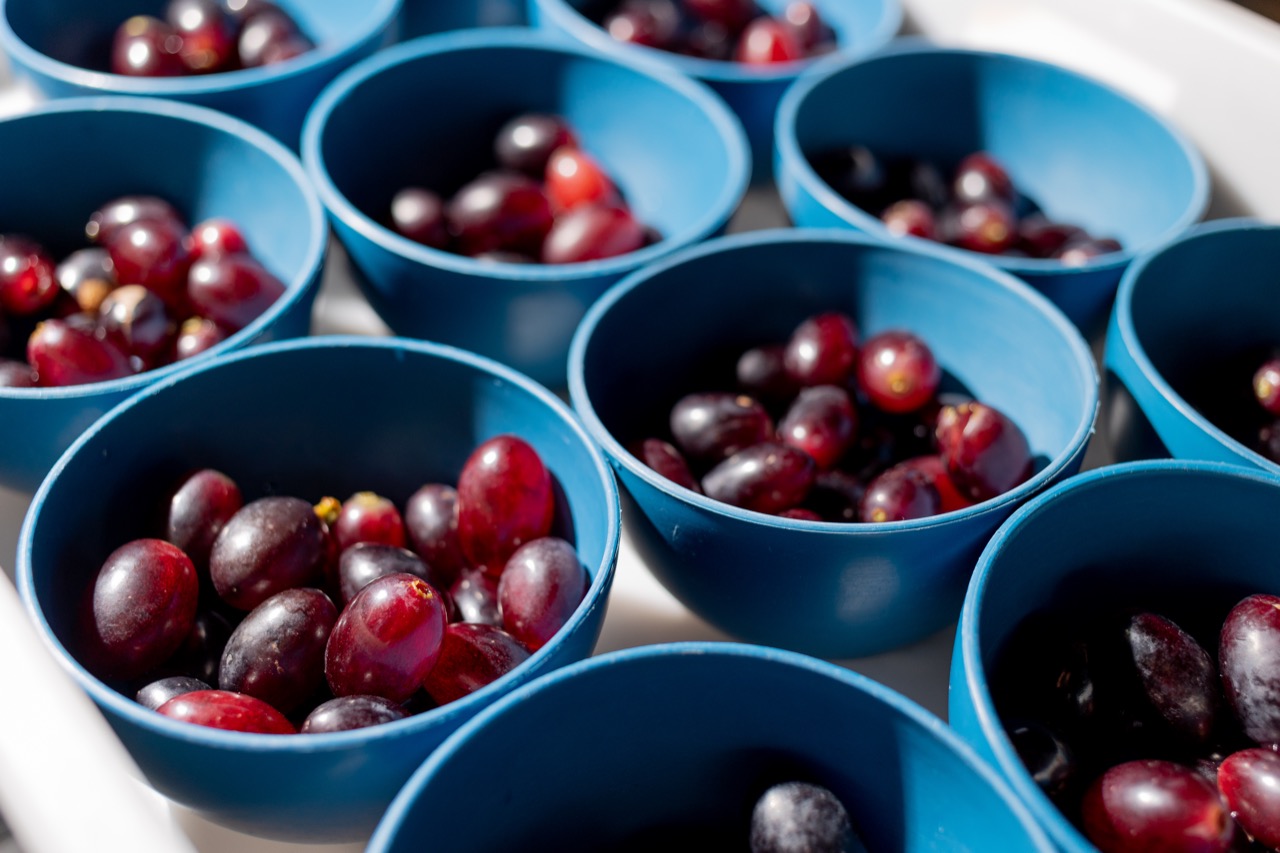
“I see my daughter eating our strawberries without any kind of pesticide. She’d leave the house, go to the greenhouse, pick some, and eat them. I felt at ease because I knew exactly what she was eating,” he says.
For him, agroecology also represents a shift in mindset in rural areas. Instead of seeking only higher productivity, the farmer believes that producing with fewer pesticides, at a lower cost, and with higher quality can be a more sustainable path.
Rogério’s journey reflects the reality of millions of Brazilian family farmers who, even in the face of the challenges they face, continue to invest in more agroecological practices to secure income, preserve the environment, and produce high-quality food. According to data from the Brazilian Institute of Geography and Statistics (IBGE), Brazil has approximately 15.1 million rural producers. Of these, approximately 3.9 million are family farmers, accounting for 77% of the country’s agricultural holdings and employing about 10.1 million people in family farming.
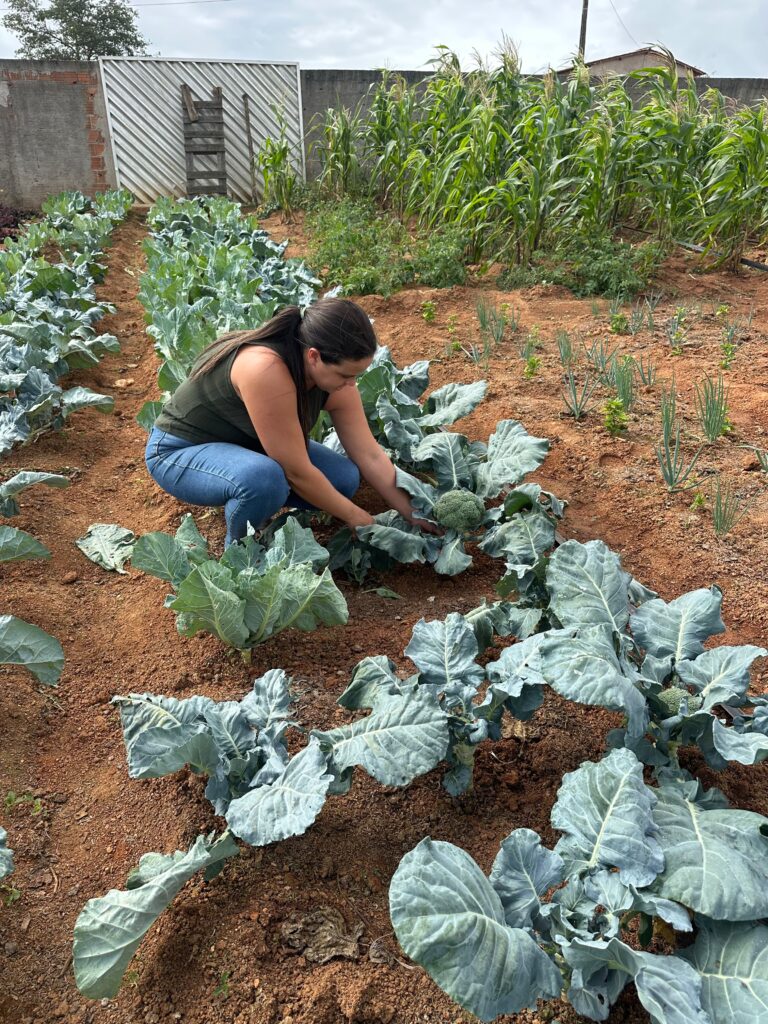
Among these farmers is Juciara de Lima Silva, whose reality is quite different from Rogério’s, but who shares the same goal of producing healthy food. In northeastern Brazil, in Caruaru (PE), the 36-year-old farmer faces one of the semi-arid region’s greatest challenges on a daily basis: water scarcity. A mother of three, she grows vegetables without pesticides, maintains a productive backyard garden, and raises free-range chickens, focusing on producing healthy food as a way to generate income and improve the community’s quality of life.
On the farm where she lives, her routine revolves around daily care for the vegetable garden and the animals. In a region where rain is scarce, farming requires creativity, persistence, and a great deal of planning. Even so, Juciara chose to invest in completely pesticide-free production, believing that healthy food also means a better quality of life for both those who produce it and those who consume it.
“My greatest achievement is knowing that I can do what I love: growing and producing healthy food. I’m doing what I enjoy and seeing it pay off for me,” she says. She adds that farming in the Sertão requires persistence. “The main challenge we face is the lack of water. We have to buy water just to be able to farm. That saddens us, but nothing can make a true farmer give up. We’re making do as best we can, collecting water to keep planting and bringing healthy food to people’s tables.”
In addition to climate challenges, Juciara also faces barriers as a woman in rural areas. For her, the role of women in family farming needs to be increasingly valued. The farmer also draws attention to another challenge: keeping young people in rural areas. For Juciara, investing in family farming also means creating opportunities for new generations to continue producing food. “We need public policies that increasingly empower farmers, especially women and young people. If young people don’t farm, unfortunately we’ll suffer greatly in the future,” she adds.
Agroecology as the Way Forward
Despite the distance of nearly 3,000 kilometers between Paraná and Pernambuco, Rogério and Juciara share the same conviction that producing healthy food is a way of caring for people. For both of them, seeing fruits, vegetables, and greens reach schools means contributing to a more nutritious diet and the development of healthier eating habits starting in childhood.
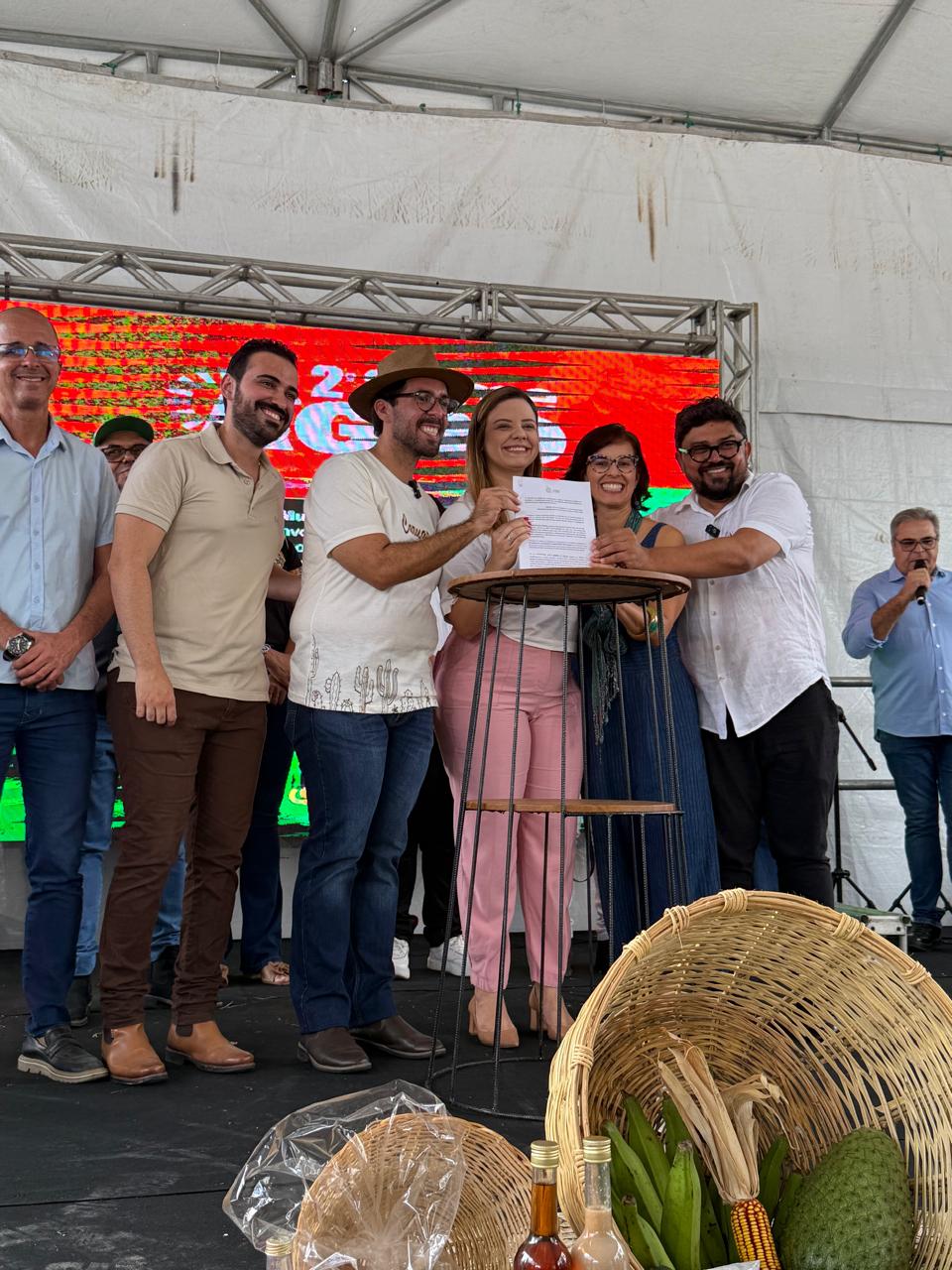
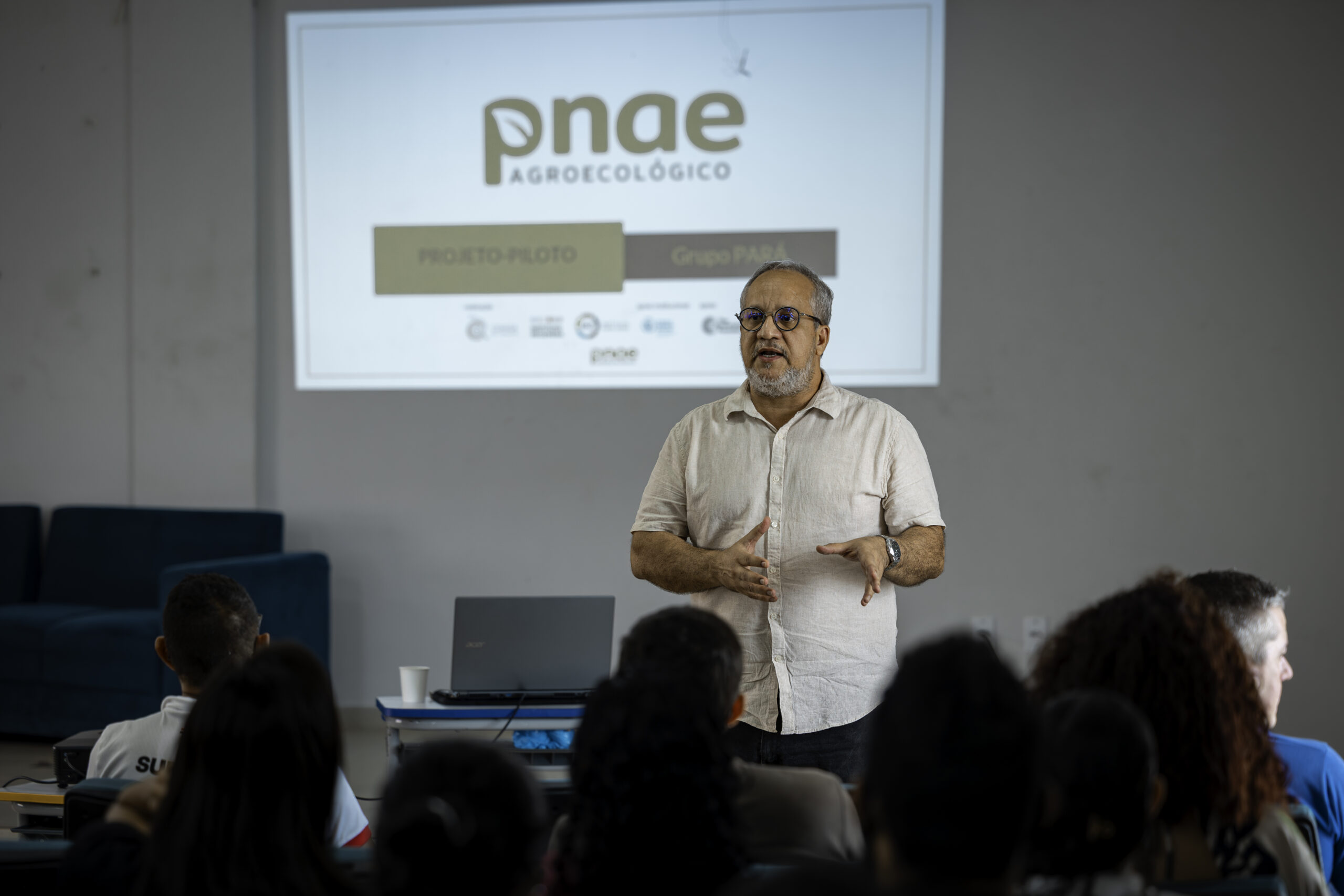
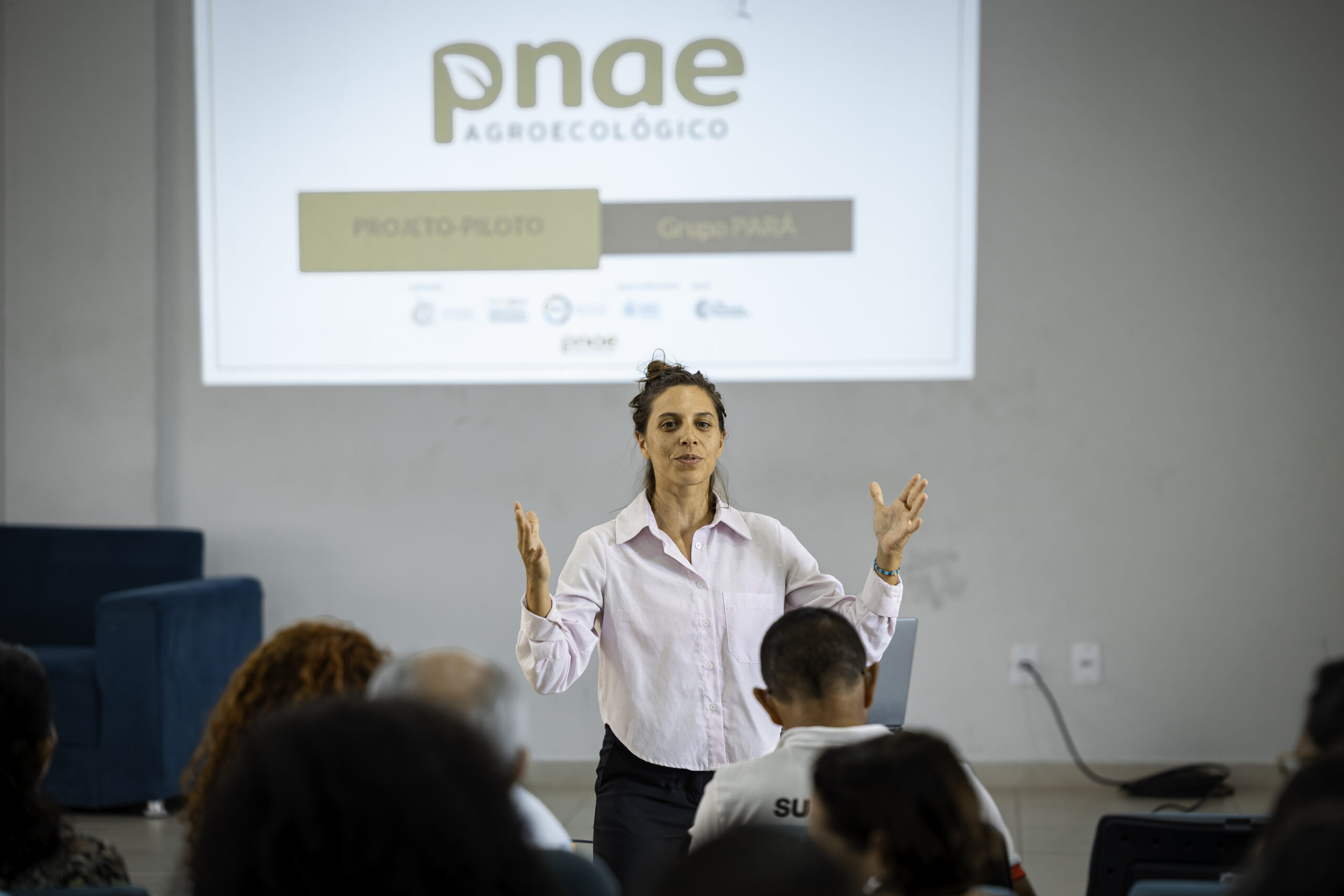
Both farmers are part of the PNAE Agroecológico program, a nationwide initiative led by the Instituto Comida do Amanhã, in partnership with AOPA, Centro Ecológico, CETAP, Instituto Regenera, Centro Sabiá, and Instituto Fome Zero (IFZ), and with support from the World Food Programme (WFP) Center of Excellence Against Hunger in Brazil and the Rockefeller Foundation.
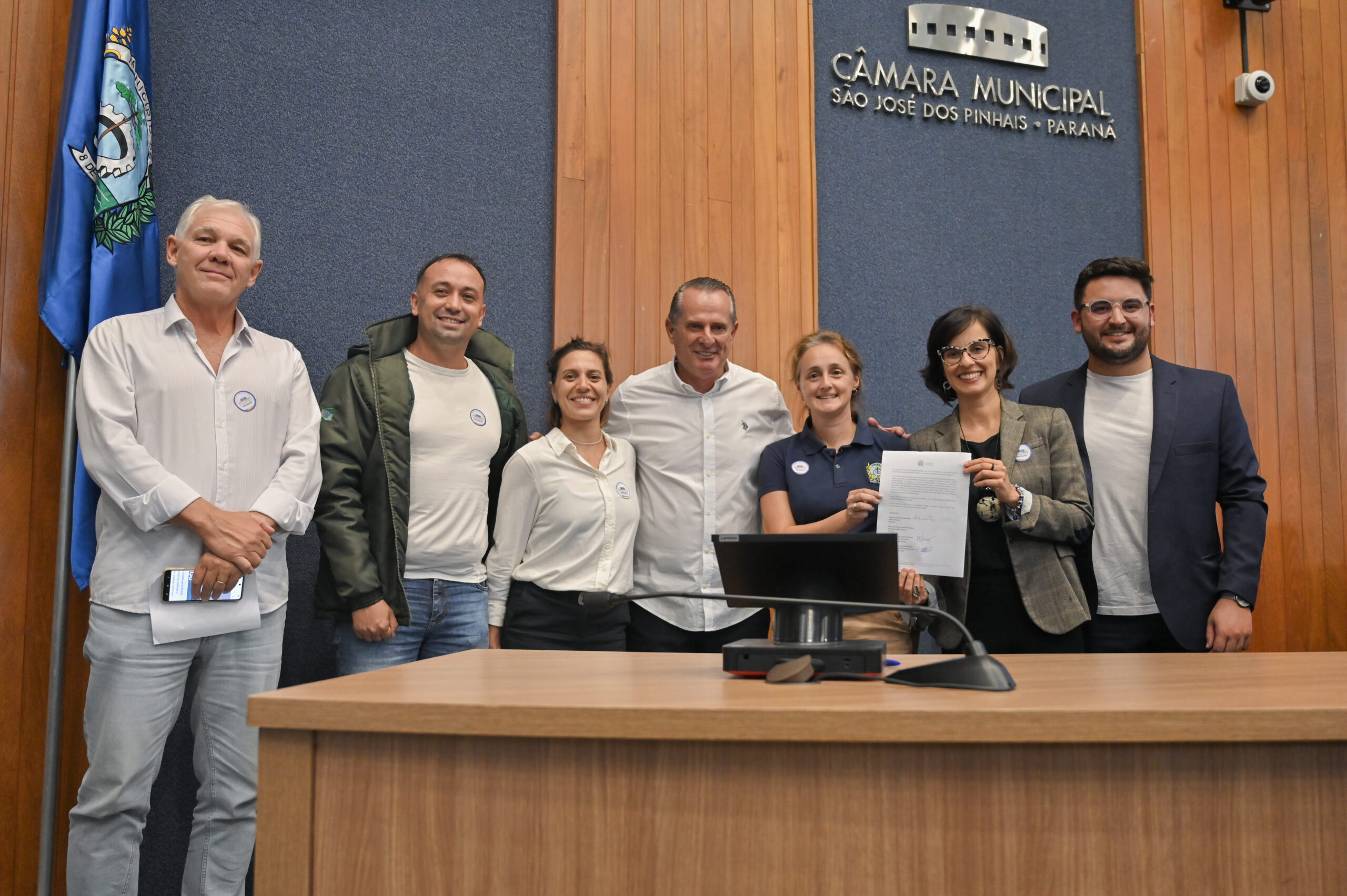
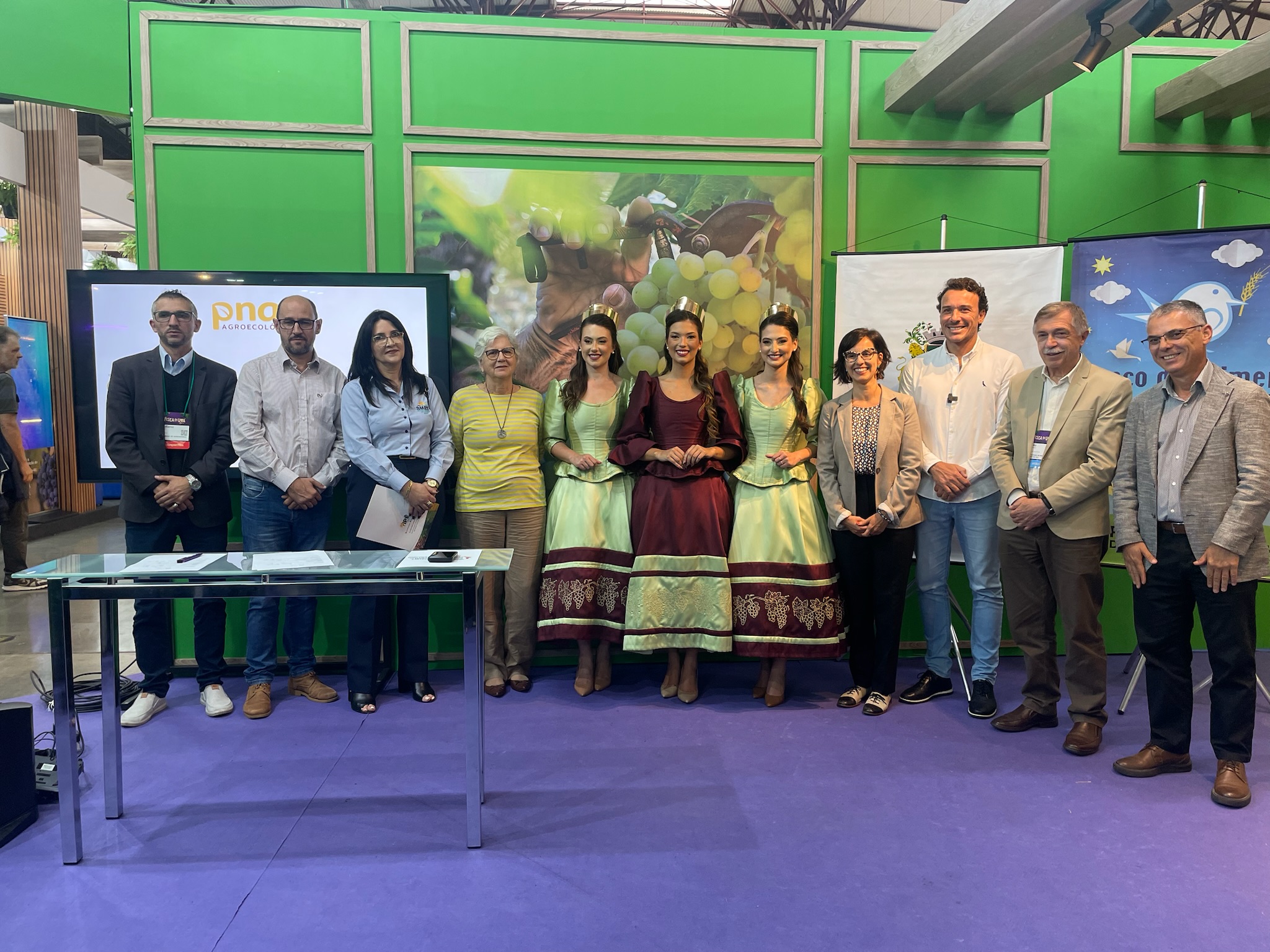
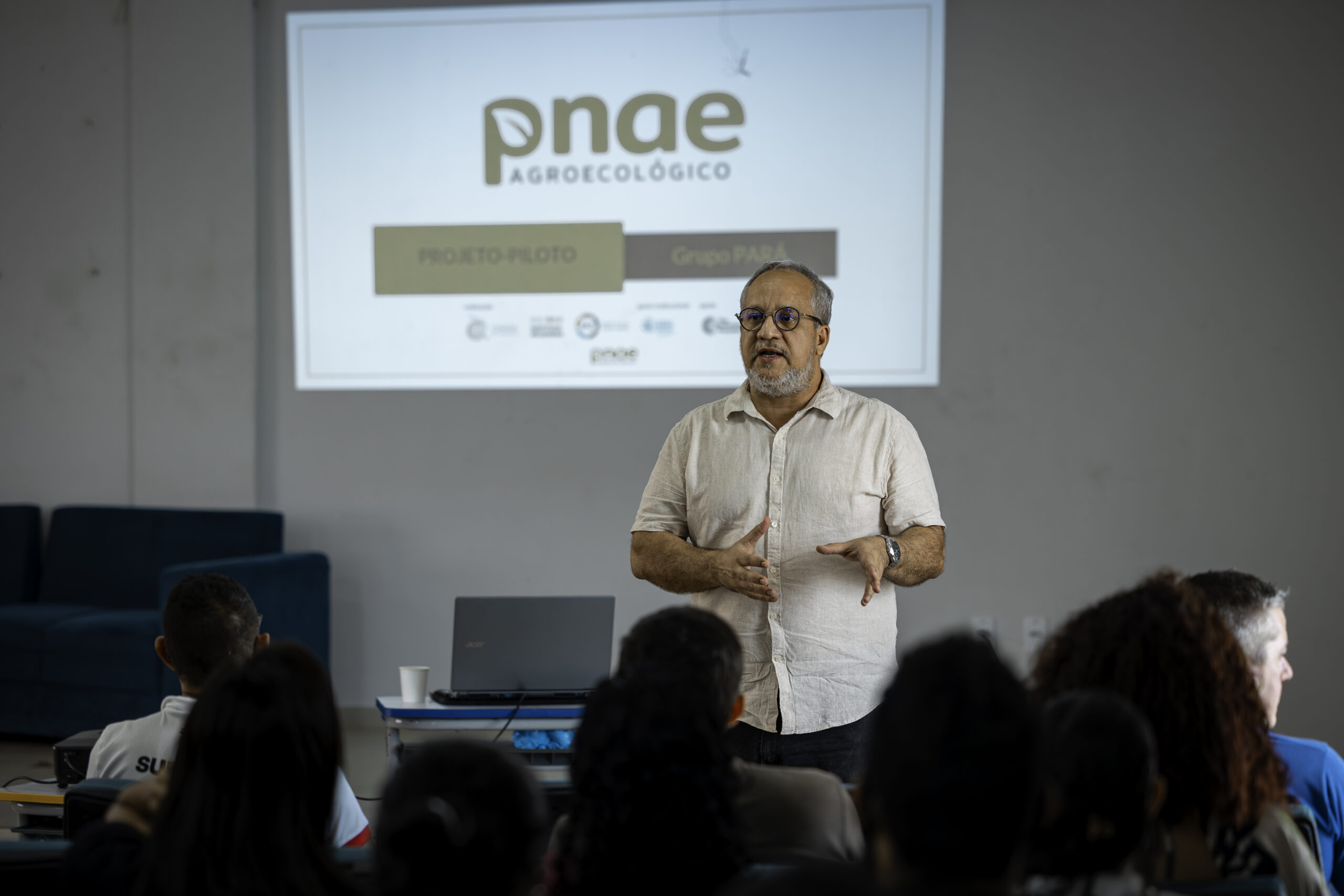
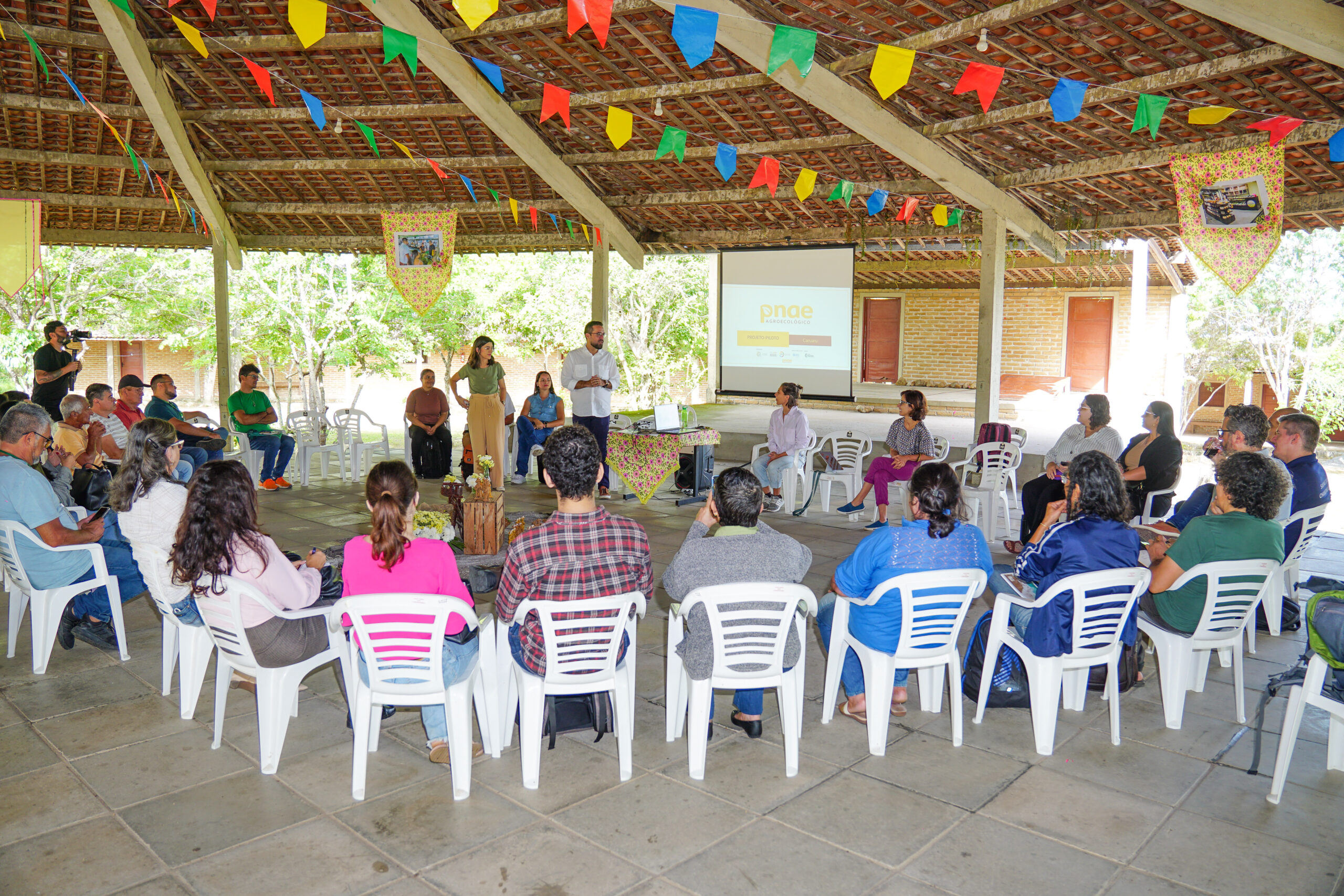
Launched in 2025, the PNAE Agroecológico promotes the transition to agroecology in family farming through school feeding programs, strengthening the supply of healthy foods in public school systems and expanding opportunities for small-scale producers. The project is developing pilot initiatives in four Brazilian regions: Caruaru; São José dos Pinhais; a group of cities in Pará comprising Barcarena, Abaetetuba, Marituba, and Benevides (PA); and another group of cities in Rio Grande do Sul comprising Caxias do Sul, Antônio Prado, Ipê, Montenegro, and Porto Alegre (RS).
In these locations, in collaboration with municipal officials, the initiative studies food systems, supports the development of solutions to facilitate the purchase of agroecological foods by the National School Feeding Program (PNAE), and produces recommendations to improve public policy on the agroecological transition at the national level.
“Behind every food item produced lie stories of dedication, resilience, and a deep commitment to the land. Strengthening family farming and the agroecological transition means investing in the health of those who produce, those who consume, and our territories. To this end, it is essential to expand public policies that ensure conditions allowing these families to remain in the countryside with health and dignity. The Agroecological PNAE was created with this purpose in mind: to support farming families in their agroecological transition and strengthen food systems in each region, with school feeding serving as a key driver of this transformation,” says Gabriela Rodrigues, project coordinator at the Food of Tomorrow Institute.
For farmer Rogério, agroecology represents an opportunity to learn new management practices and reduce dependence on chemical inputs.
“Farmers need to understand that not everything requires a lot of chemicals to produce. Sometimes producing a little less—at a lower cost and with greater value—is better. We need this type of project to encourage producers and show that this model is viable,” he explains.
He also highlights the impact that food produced with fewer pesticides and other chemicals can have on children’s health. “We make our living from the farm and eat what we grow. We know the nutritional and health benefits this provides. I see my daughter eating strawberries without any pesticides, and I feel at ease because I know what she’s eating. This quality needs to be incorporated into school meals as well, so that children learn from an early age to value healthy foods.”
For Juciara, participating in the Agroecological PNAE represents an opportunity to expand sales and, at the same time, contribute to more nutritious meals in schools. “The benefits are knowing that children will eat healthy food and that this will bring more vitality. We’ll also have a guaranteed market for our agroecological produce, which encourages us to produce more and more and provide for our families. The municipality benefits by creating jobs, fostering development, and improving health for the entire community,” she concludes.
About the Food of Tomorrow Institute
The Food of Tomorrow Institute is a think tank working to facilitate the transition to healthy food systems for people and the planet, starting in cities. For more information, visit www.comidadoamanha.org.
Share!
To learn more
Keep learning with other related articles