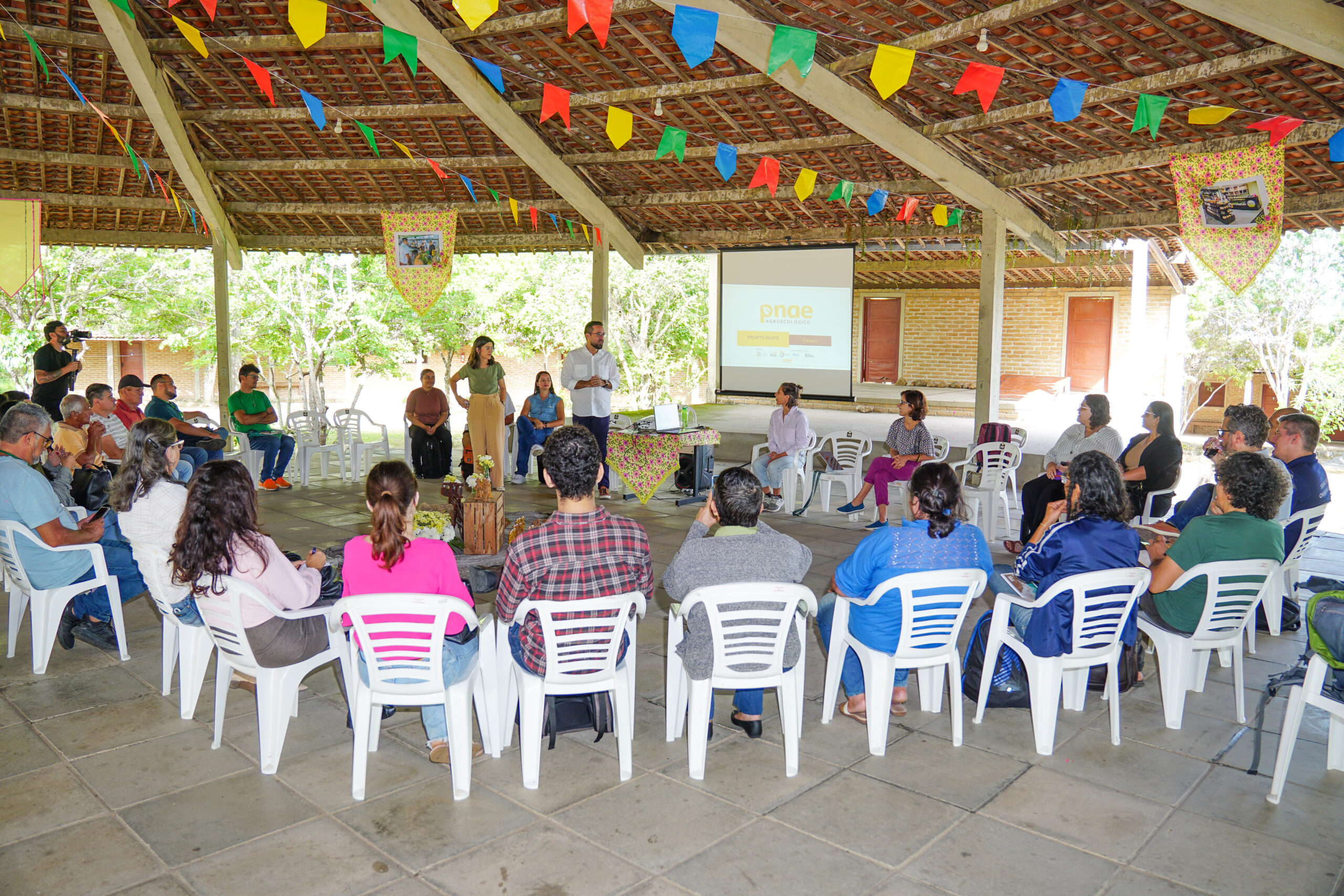
Fifteen municipalities in southern Bahia were selected through the PNAE Agroecológico call for proposals to participate in an initiative that aims to strengthen agroecological production by family farmers and expand its presence in public school [...]
WRITTEN BY COMIDA DO AMANHÃ
on 13/10/2026
|
Fifteen municipalities in southern Bahia were selected through the PNAE Agroecológico call for proposals to participate in an initiative that aims to strengthen agroecological production by family farmers and expand its presence in public school meal programs. The selection was the result of a collective application involving the following cities: Aratuípe, Cairu, Camamu, Ibirapitanga, Igrapiúna, Ituberá, Gandu, Jaguaripe, Nilo Peçanha, Nova Ibiá, Piraí do Norte, Presidente Tancredo Neves, Taperoá, Teolândia, and Wenceslau Guimarães.
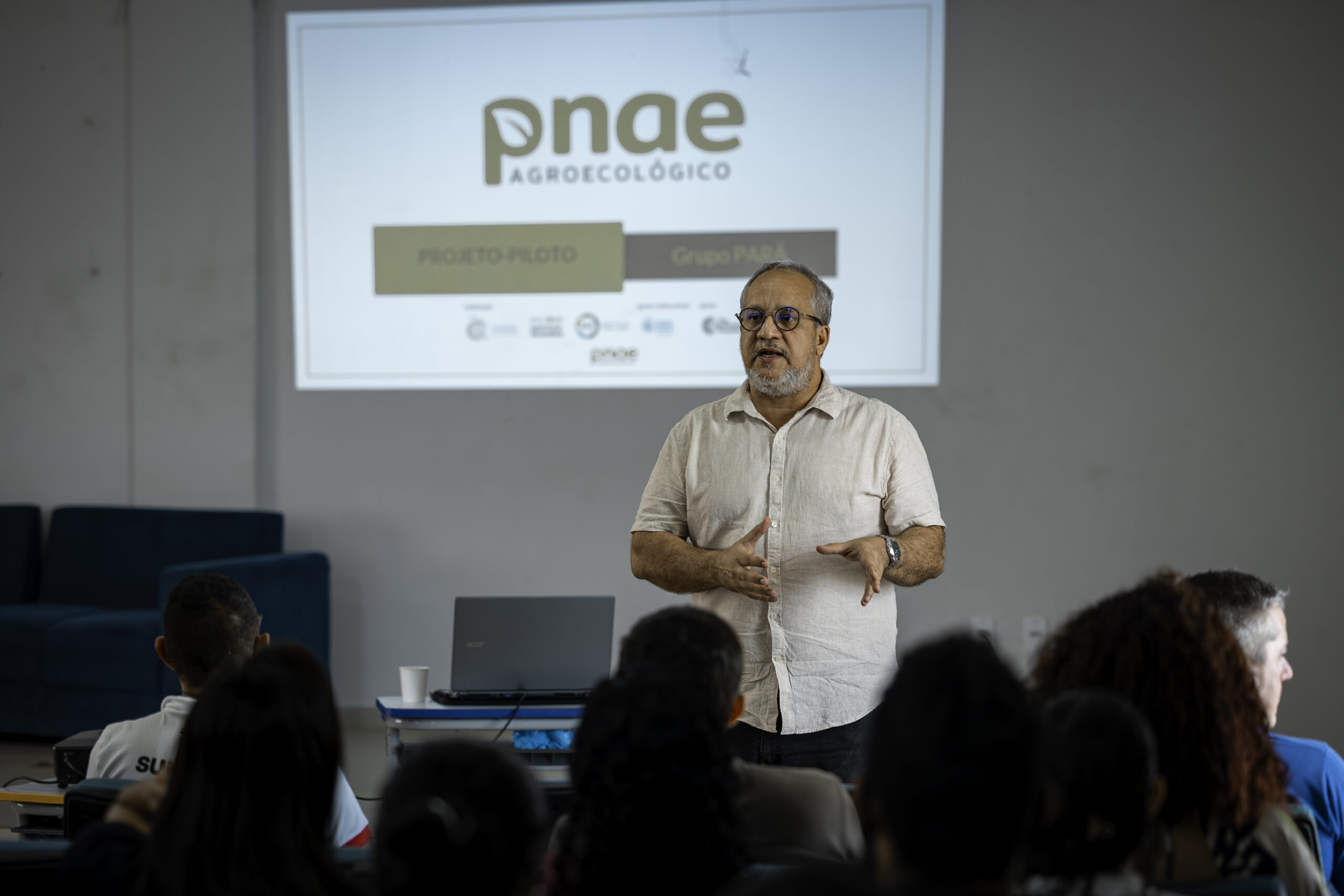
Organized by the Food of Tomorrow Institute, in partnership with the Zero Hunger Institute (IFZ), with institutional support from the World Food Programme’s (WFP) Center of Excellence Against Hunger in Brazil and support from the Rockefeller Foundation and Porticus, the Agroecological PNAE seeks to understand and structure incentive, financing, and governance mechanisms capable of expanding the production and supply of agroecological foods from family farms for school meals.
Next Steps
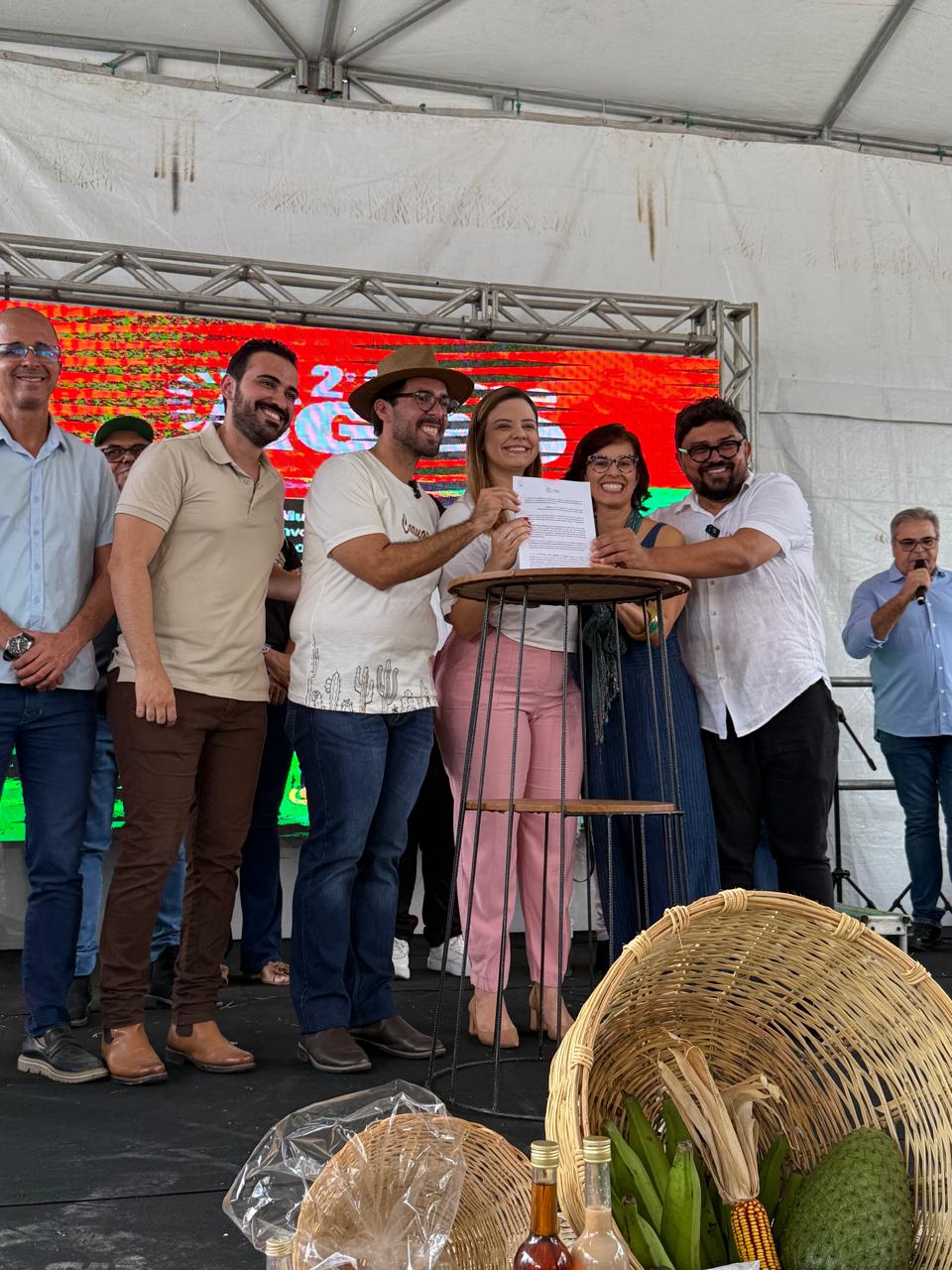
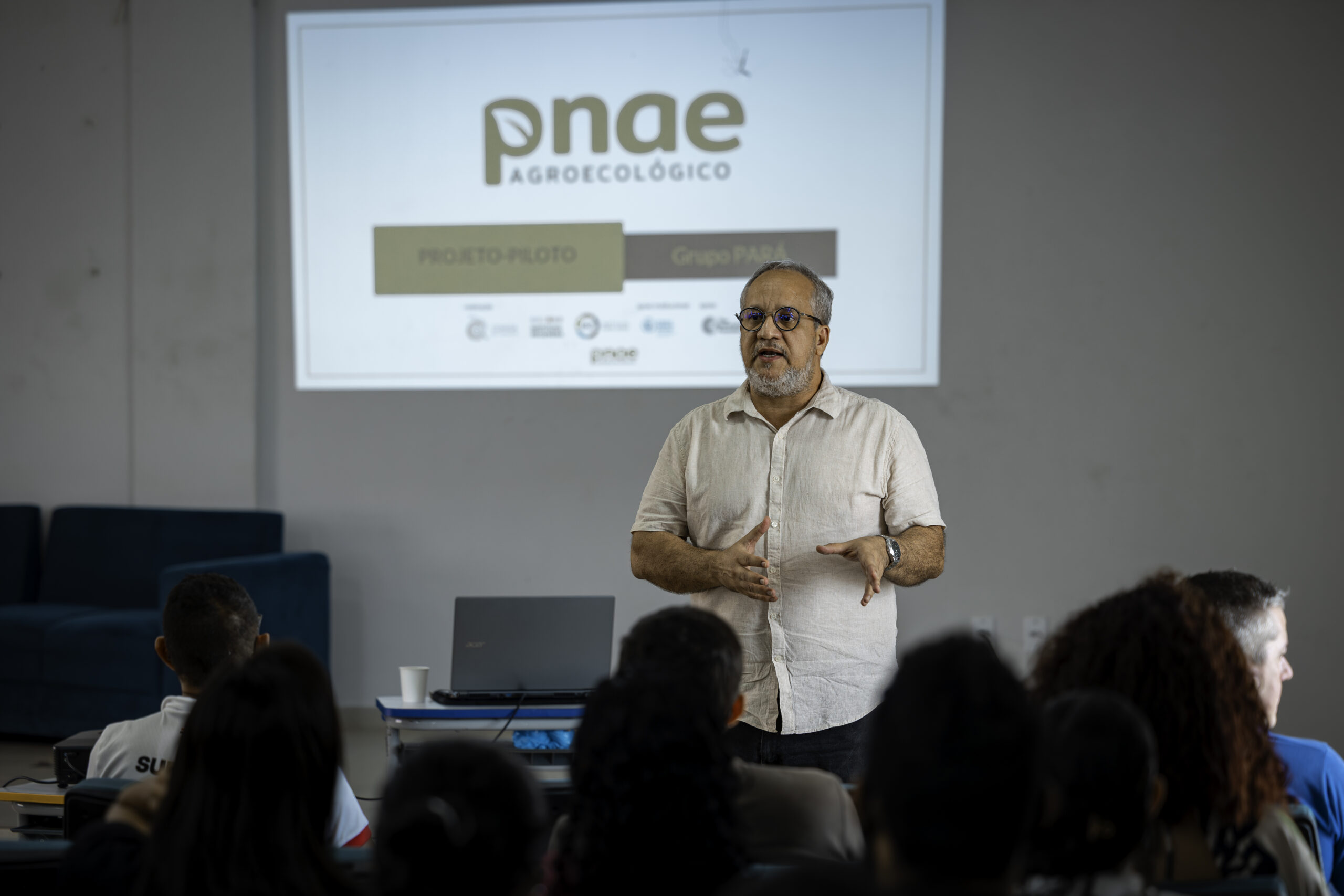
By December 2026, the project will formalize cooperation agreements and terms of commitment with municipal administrations. Starting in 2027, the first phase of the project will be carried out, focused on selecting and designing the strategies that will guide the work in the field; and between 2028 and 2029, actions will be developed to implement the strategies formulated throughout this process.
The initiative provides for technical support to improve public procurement for school meals, agroecologically-based technical assistance to selected families, and support for the structuring and development of public policies that strengthen agroecological production.
In addition to technical support, the municipalities will gain national and international recognition as pioneers in the implementation of agroecological school feeding models, potentially serving as a benchmark for future public policies and new rural development and food security programs.
About the Agroecological PNAE
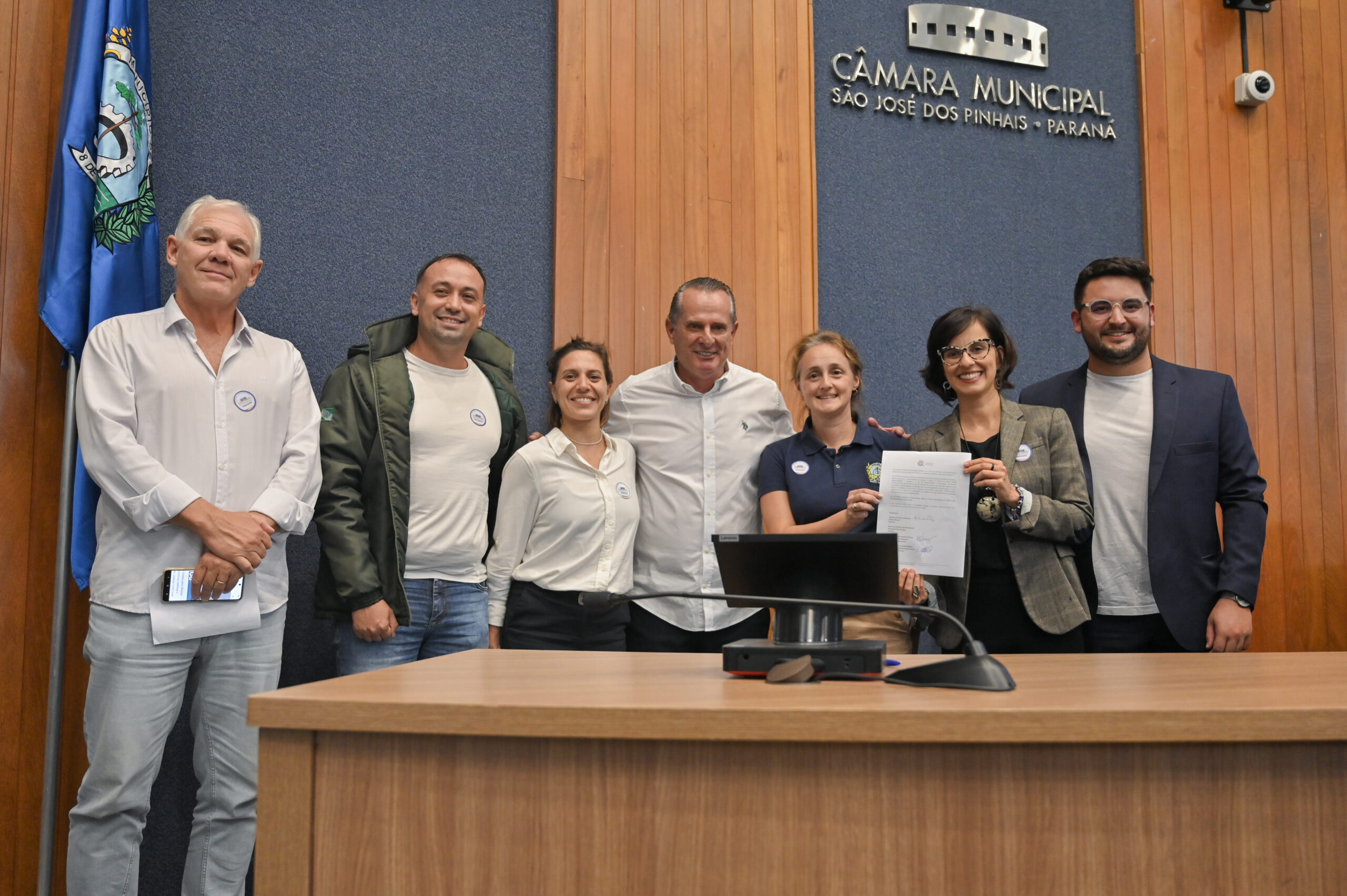
Launched in 2025, the Agroecological PNAE is already being implemented in 11 Brazilian municipalities: Caruaru (PE); São José dos Pinhais (PR); Marituba, Barcarena, Benevides, and Abaetetuba (PA); and Porto Alegre, Ipê, Montenegro, Antônio Prado, and Caxias do Sul (RS).
The initiative works to strengthen the link between family farming and school feeding through the National School Feeding Program (PNAE), encouraging the agroecological transition and contributing to the development of public policies that promote healthier and more sustainable food systems.
Share!
To learn more
Keep learning with other related articles