The municipalities of Benevides, Barcarena, Abaetetuba, and Marituba, in the state of Pará, will host the launch of the Agroecological PNAE this Thursday, March 26. This initiative is led nationally by the Food for Tomorrow [...]
WRITTEN BY COMIDA DO AMANHÃ
on 26/03/2026
|
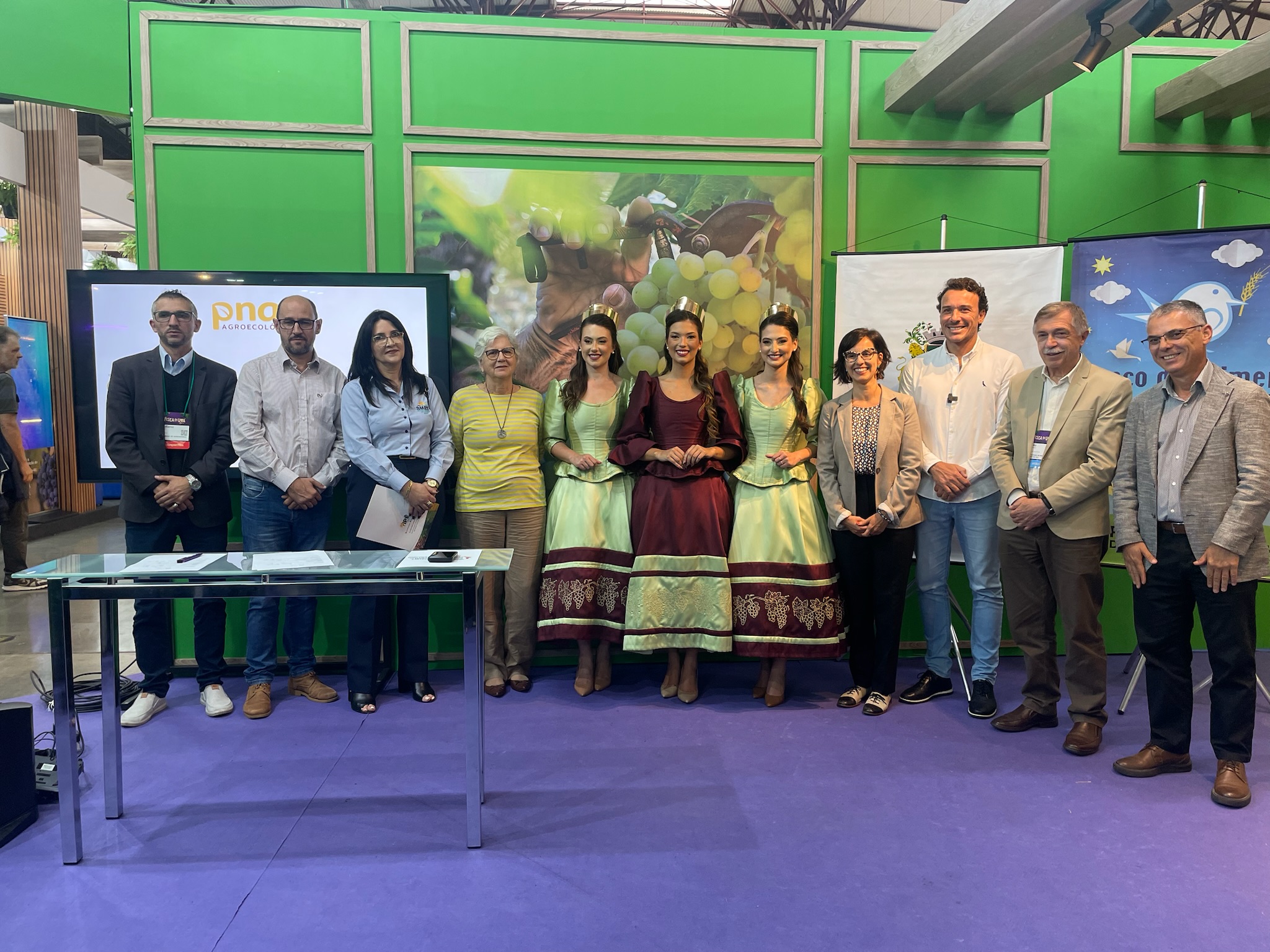
The municipalities of Benevides, Barcarena, Abaetetuba, and Marituba, in the state of Pará, will host the launch of the Agroecological PNAE this Thursday, March 26. This initiative is led nationally by the Food for Tomorrow Institute, in partnership with the Zero Hunger Institute (IFZ) and the World Food Programme’s (WFP) Center of Excellence against Hunger in Brazil and the Rockefeller Foundation, and in Pará, in partnership with the Regenera Institute, Terra Preta, and the municipal governments of Benevides, Barcarena, Abaetetuba, and Marituba. With the goal of strengthening family farming and improving school meals, the launch will take place at 2:00 p.m. at the Benevides City Council, bringing together public officials, farmers, technical experts, and representatives from partner organizations.
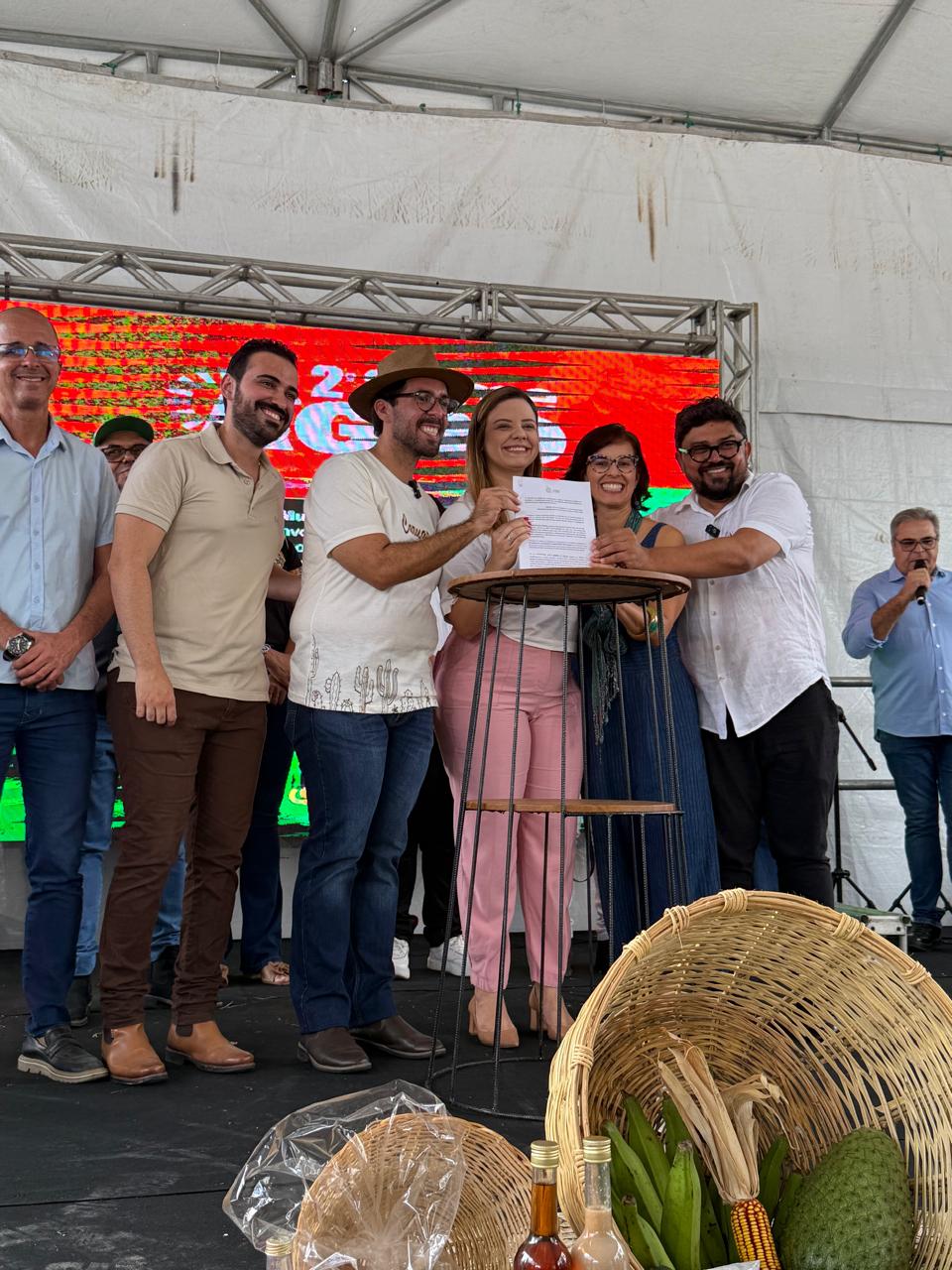
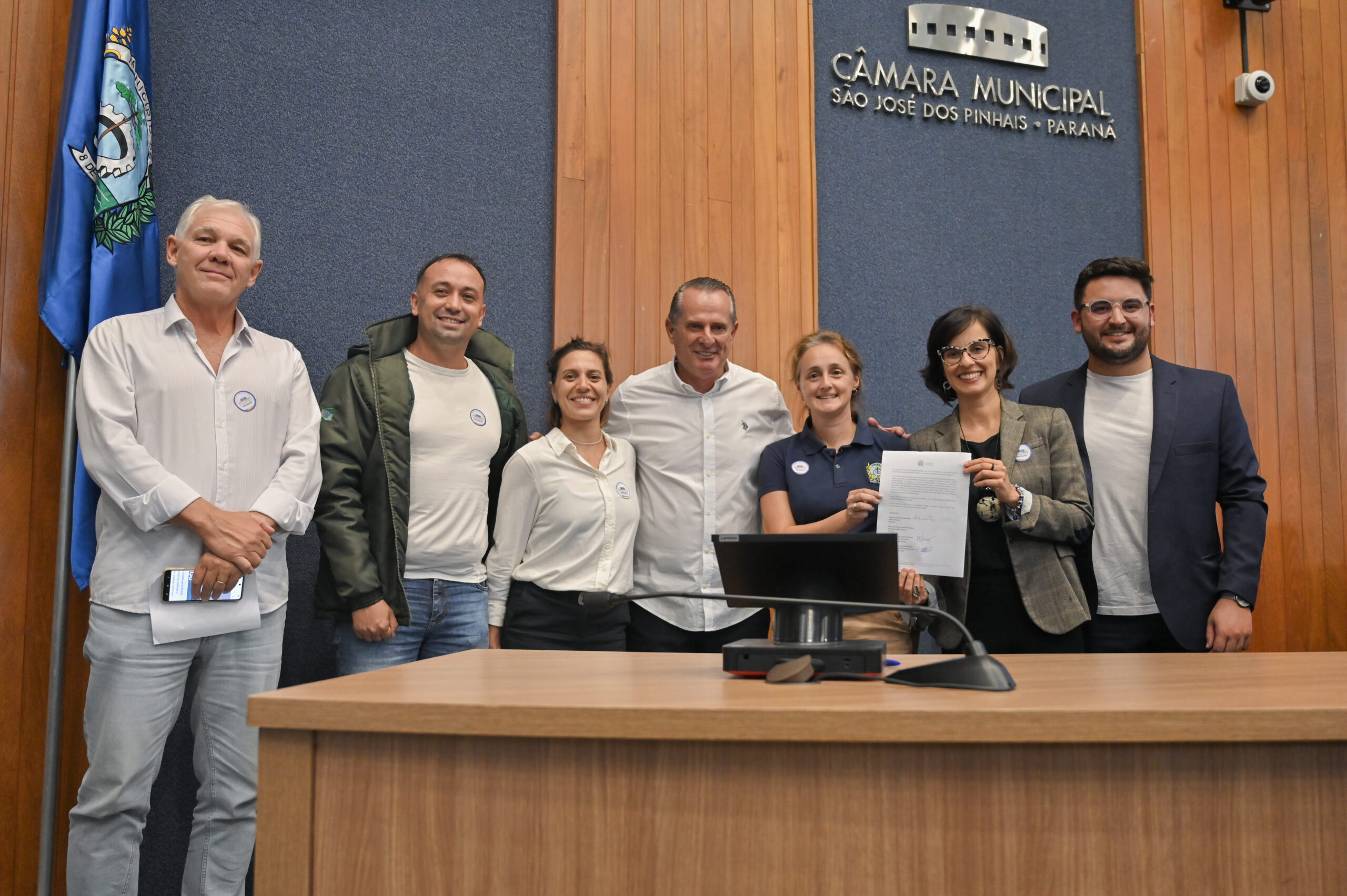
The meeting marks the formalization of the Term of Commitment between the municipalities and the institutions involved, seeking to strengthen the implementation of the National School Meals Program (PNAE) by bolstering family farming, respecting local knowledge, and expanding the availability of healthy foods in school meals. The initiative also aims to generate direct impacts on the income of rural producers and the quality of life for public school students.
“This launch is much more than the start of the project; it is the beginning of a living movement in these communities. Our expectation is that through this project we will be able to strengthen something that already exists with great potential in these municipalities: the connection to the land and the forest, the work of farmers in managing this territory for food production, the knowledge built up over generations, and the municipalities’ commitment to quality school meals. We wish to collectively build possible pathways toward fairer and more sustainable food production, with technical support for farming families and strong coordination among municipalities to generate consistent, lasting results that can translate into public policies that leave a lasting legacy. “Because when we strengthen family farming and school meals, we are, in fact, strengthening the future,” comments Gabriela Rodrigues, Project Coordinator at the Food of Tomorrow Institute.
Check out the program
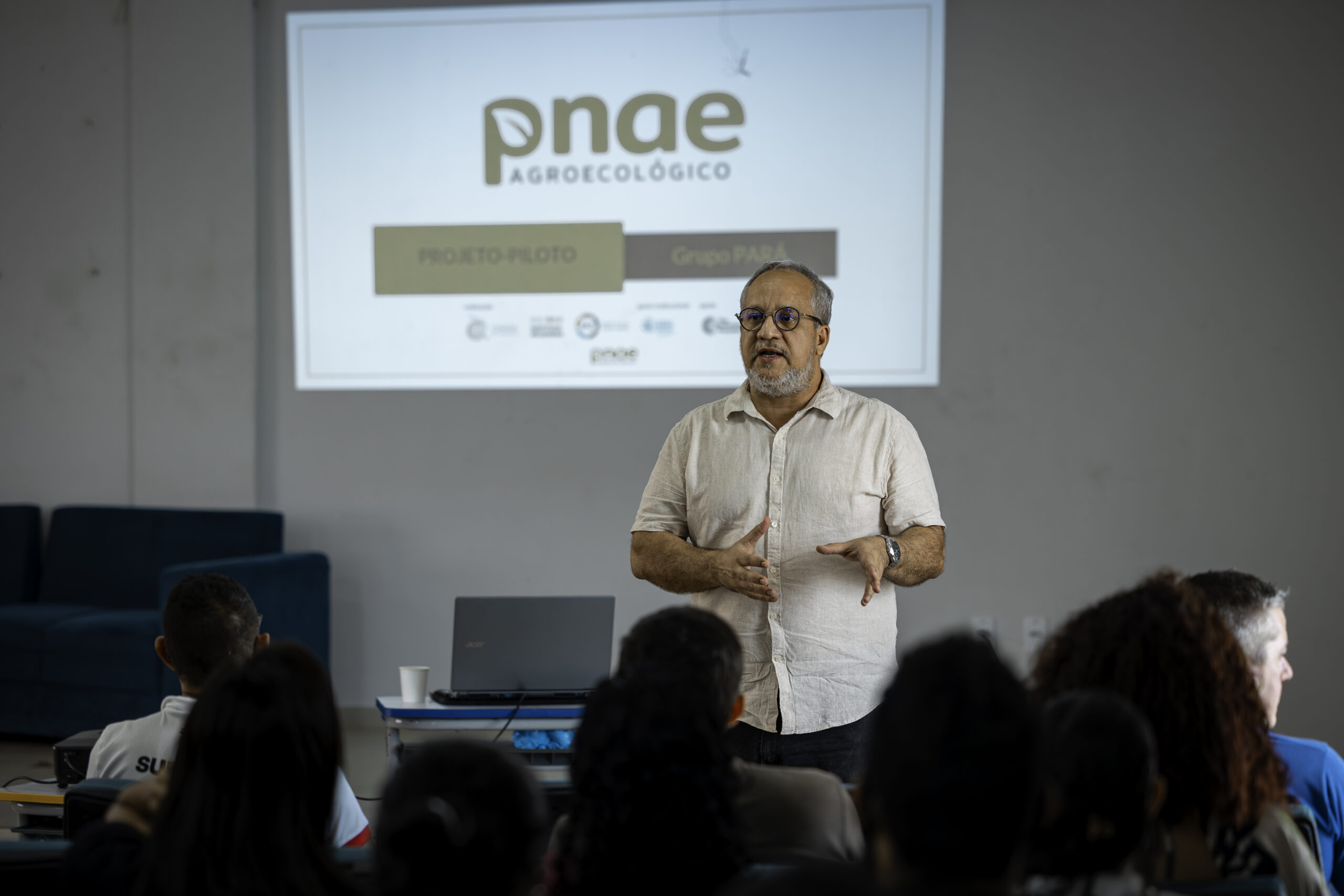
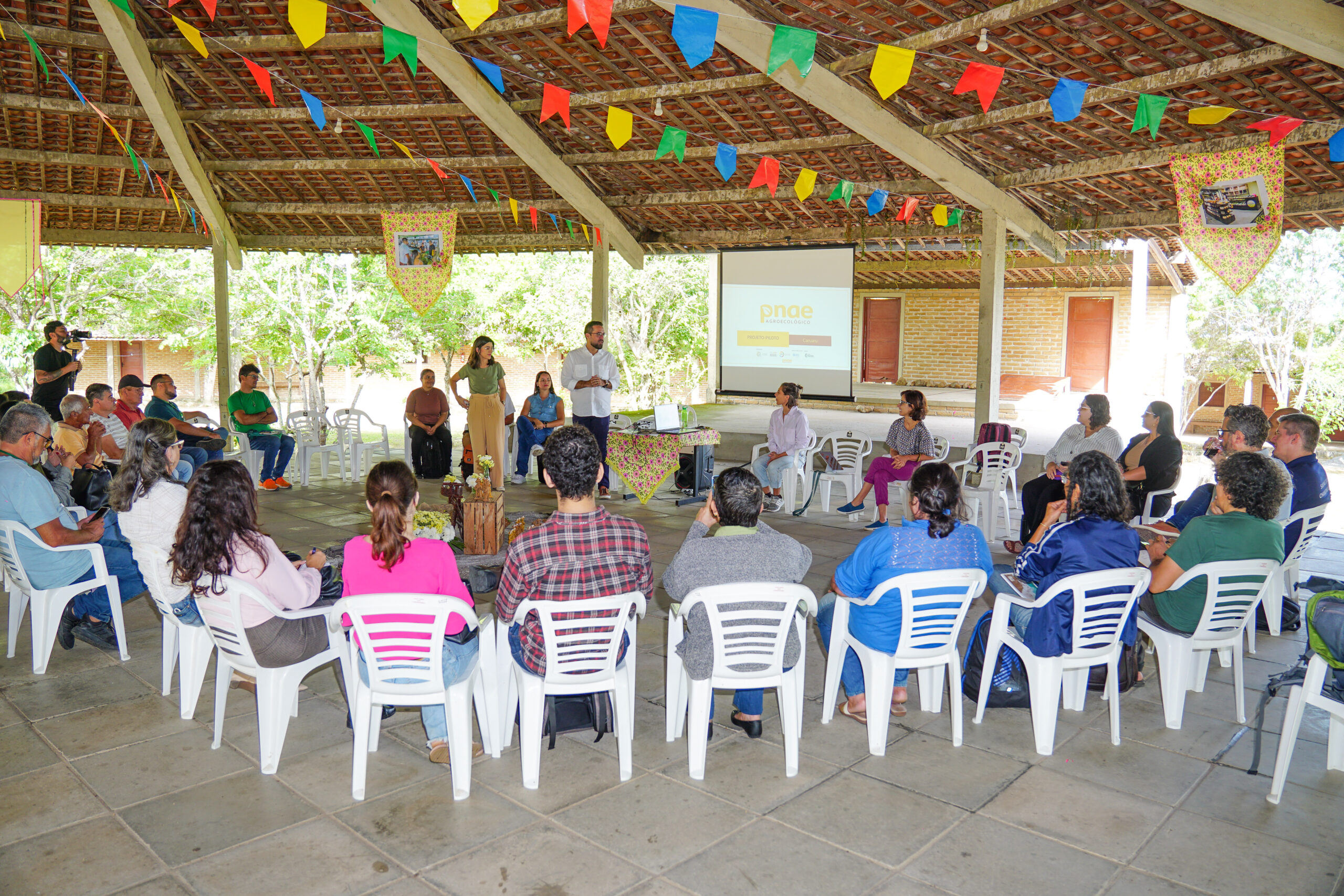
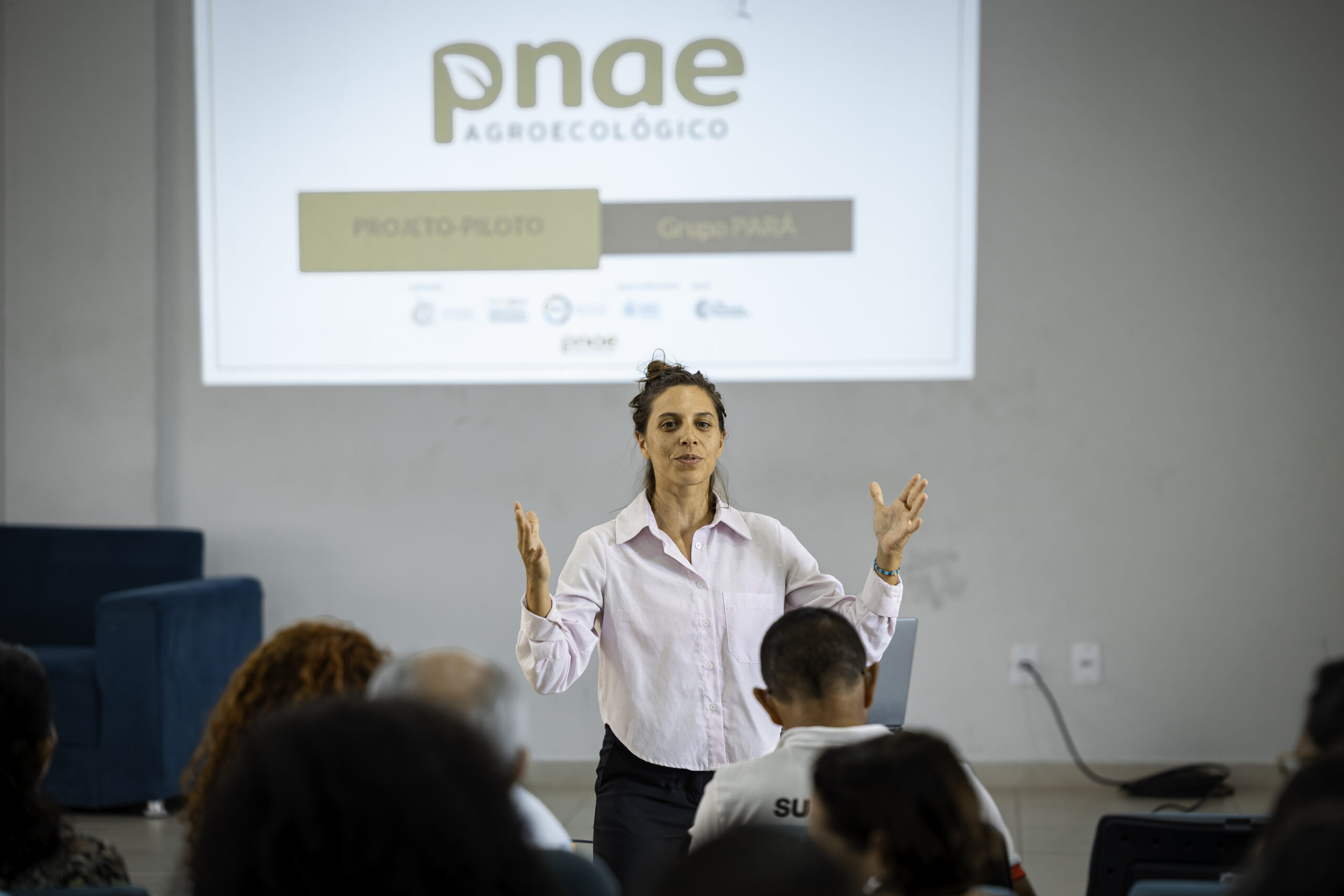
During the event’s opening, participants will be welcomed with cultural presentations and an overview of the Agroecological National Program (PNE) by the Food of Tomorrow Institute. The program will also feature representatives from the participating municipalities, who will share local expectations and experiences, as well as reinforce the importance of coordination among different regions.
Next, the agenda includes the panel “Agroecological Transition in Practice,” focusing on technical assistance and the presentation of success stories. The event will feature the participation of the Regenera and Terra Preta Institute, which will address the concept of agroecological transition applied to the region, highlighting results in income generation, increased production, and the strengthening of social organization. The benefits for the municipalities will also be presented, along with concrete examples of successful initiatives and the project’s implementation approach, including the technical team and the planned methodology.
Another highlight of the event is the awards ceremony for rural producers in different categories, with trophies and certificates, such as horticulture, fruit growing, fish farming, floriculture, and beekeeping, recognizing best practices and outstanding initiatives in the region. A special tribute is also planned for farmer Laercio Barbosa, in the “Rural Pioneer of Benevides” category, in recognition of his career spanning more than 30 years in the field.
Program continues in Barcarena on the 27th
Continuing the activities of the Agroecological PNAE, a second meeting will be held in Barcarena on March 27 at the Prof. Aloysio da Costa Chaves Municipal School, starting at 8:00 a.m. The program includes a detailed presentation of the initiative, led by Juliana Tângari, director of the Food of Tomorrow Institute, as well as remarks from government officials, such as Renato Ogawa, mayor of Barcarena, partner institutions, and local farmers. The event will also feature a segment dedicated to the international perspective on sustainable food systems, with the participation of Peiman Milani, director of the Rockefeller Foundation.
The program also includes a visit to the host school’s kitchen, where Barcarena’s Secretary of Education, Edson Anilo Cardoso de Moraes, will present the school feeding model and how the municipality’s food system operates. In the afternoon, a technical visit to the Arienga community is scheduled, led by Barcarena’s Secretary of Agriculture, Milena dos Reis, where participants will be able to experience firsthand the work of a producer benefiting from the project.
About the Food of Tomorrow Institute
The Food of Tomorrow Institute is a think tank working to facilitate the transition to food systems that are healthy for people and the planet, starting in cities.
Share!
To learn more
Keep learning with other related articles