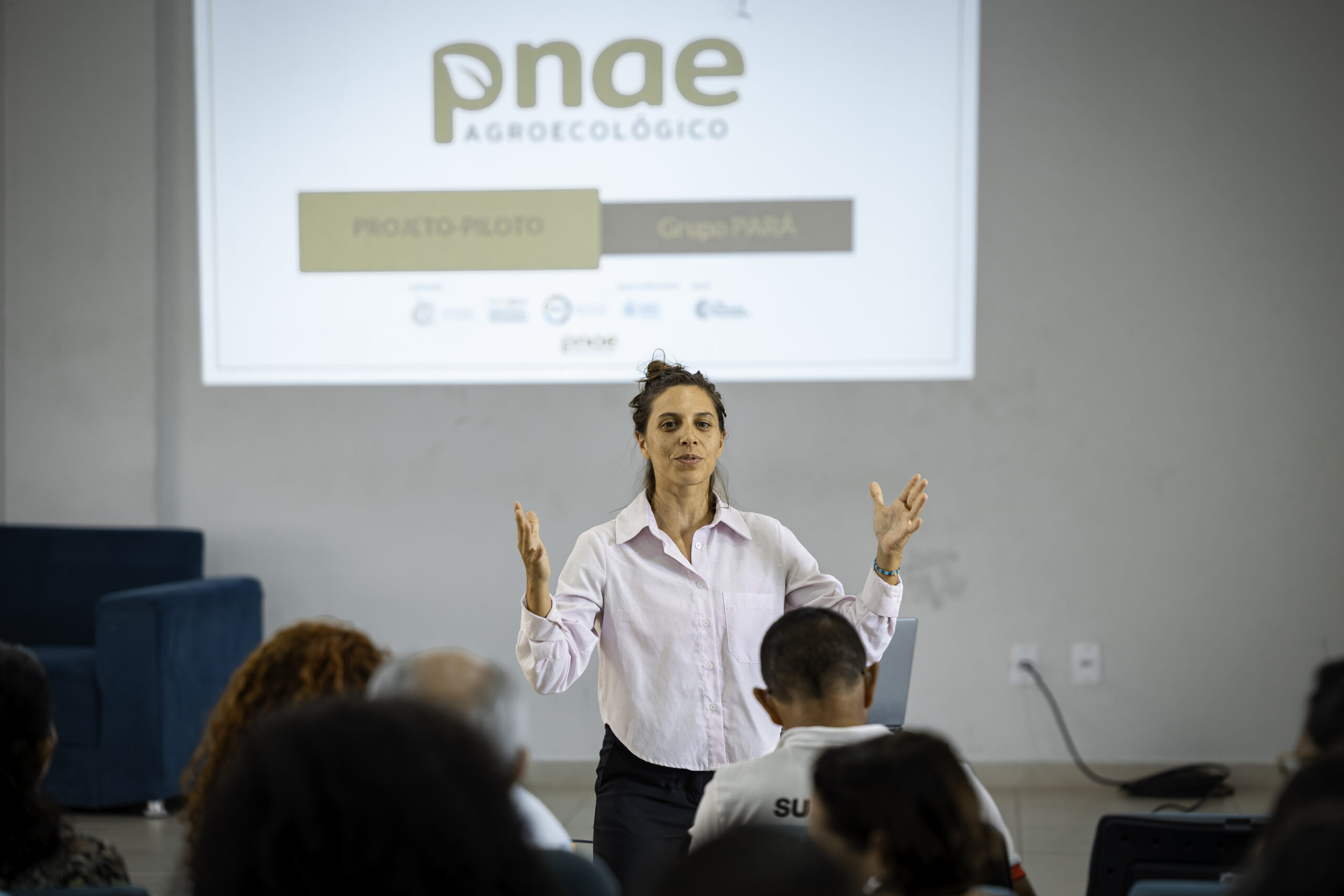
On Thursday, the 13th, which also marks the International School Meals Day, the selected cities were announced for the PNAE Agroecológico project, carried out by Comida do Amanhã Institute in partnership with Regenera Institute and [...]
WRITTEN BY COMIDA DO AMANHÃ
on 16/12/2025
|
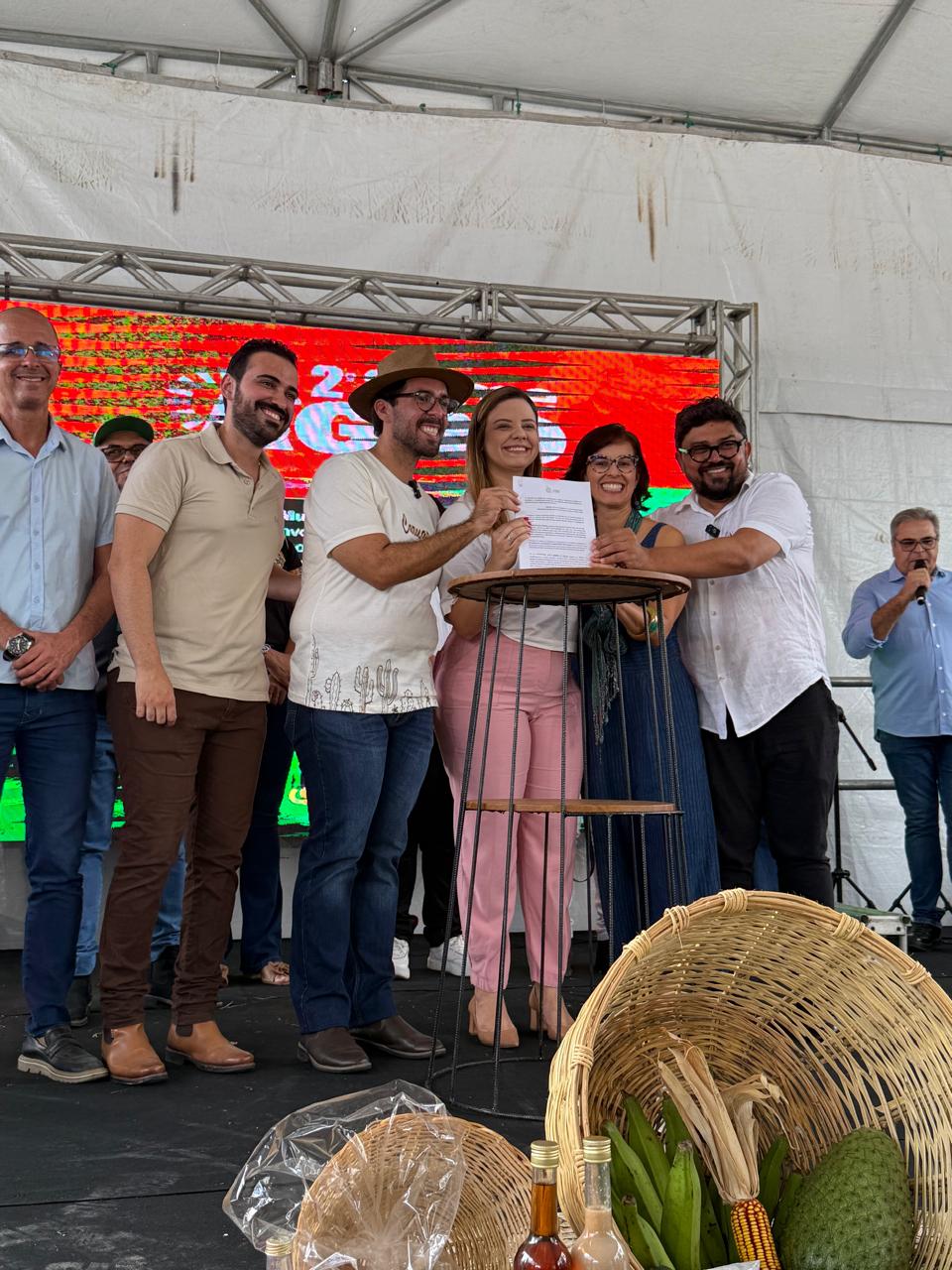
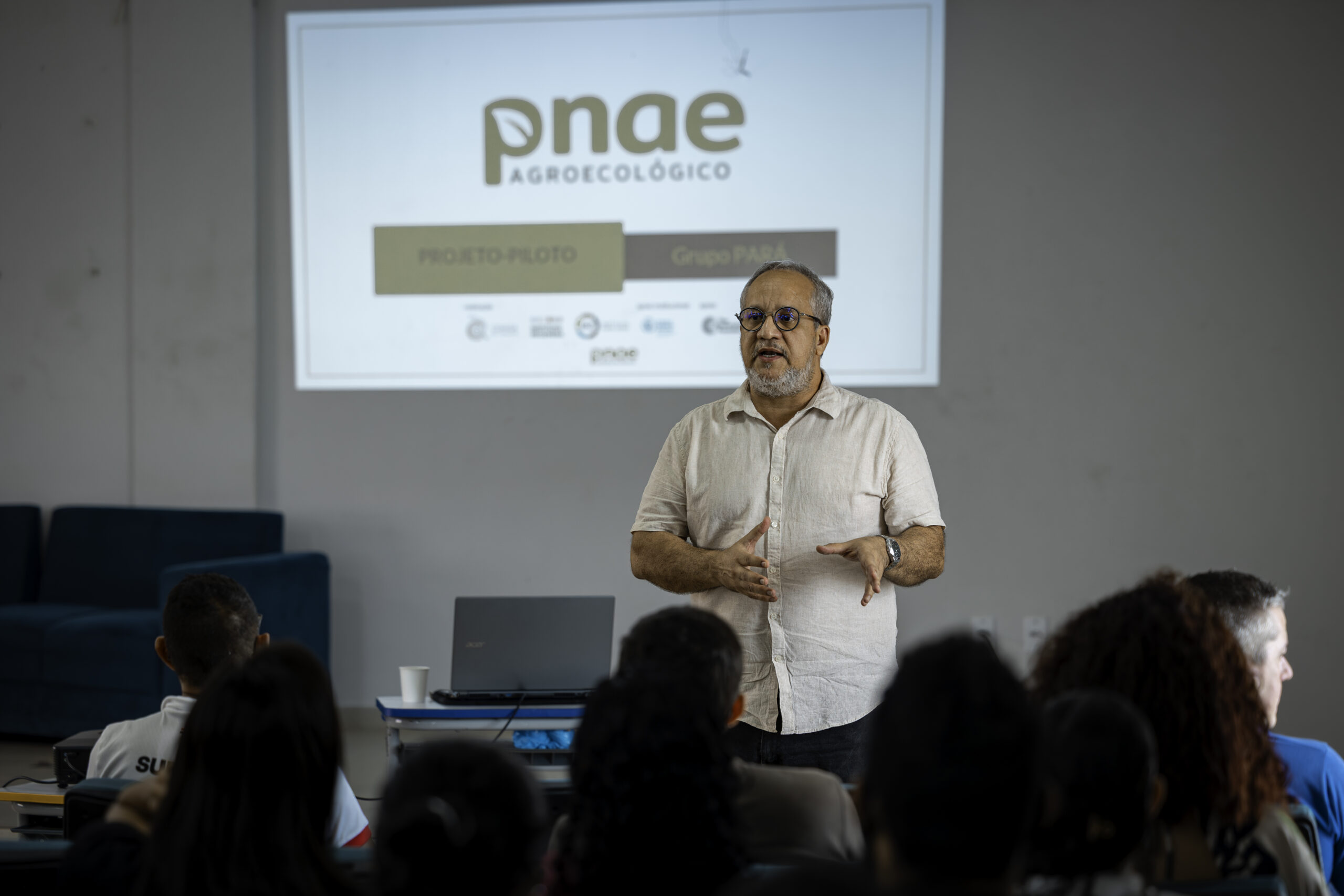
On Thursday, the 13th, which also marks the International School Meals Day, the selected cities were announced for the PNAE Agroecológico project, carried out by Comida do Amanhã Institute in partnership with Regenera Institute and Fome Zero Institute, with institutional support from the Center of Excellence against Hunger of the World Food Programme and support from the Rockefeller Foundation.
The initiative aims to promote the transition to agroecological production of family farming in Brazil through the National School Meals Program (PNAE) and seeks to understand and strengthen the possibilities of incentives and institutional arrangements to expand the supply of healthy food in school meals, creating a model that can influence public policies and regulations at the national level.
Having met all the specific criteria required by the public notice, these are the municipalities selected for the first round of pilot projects:
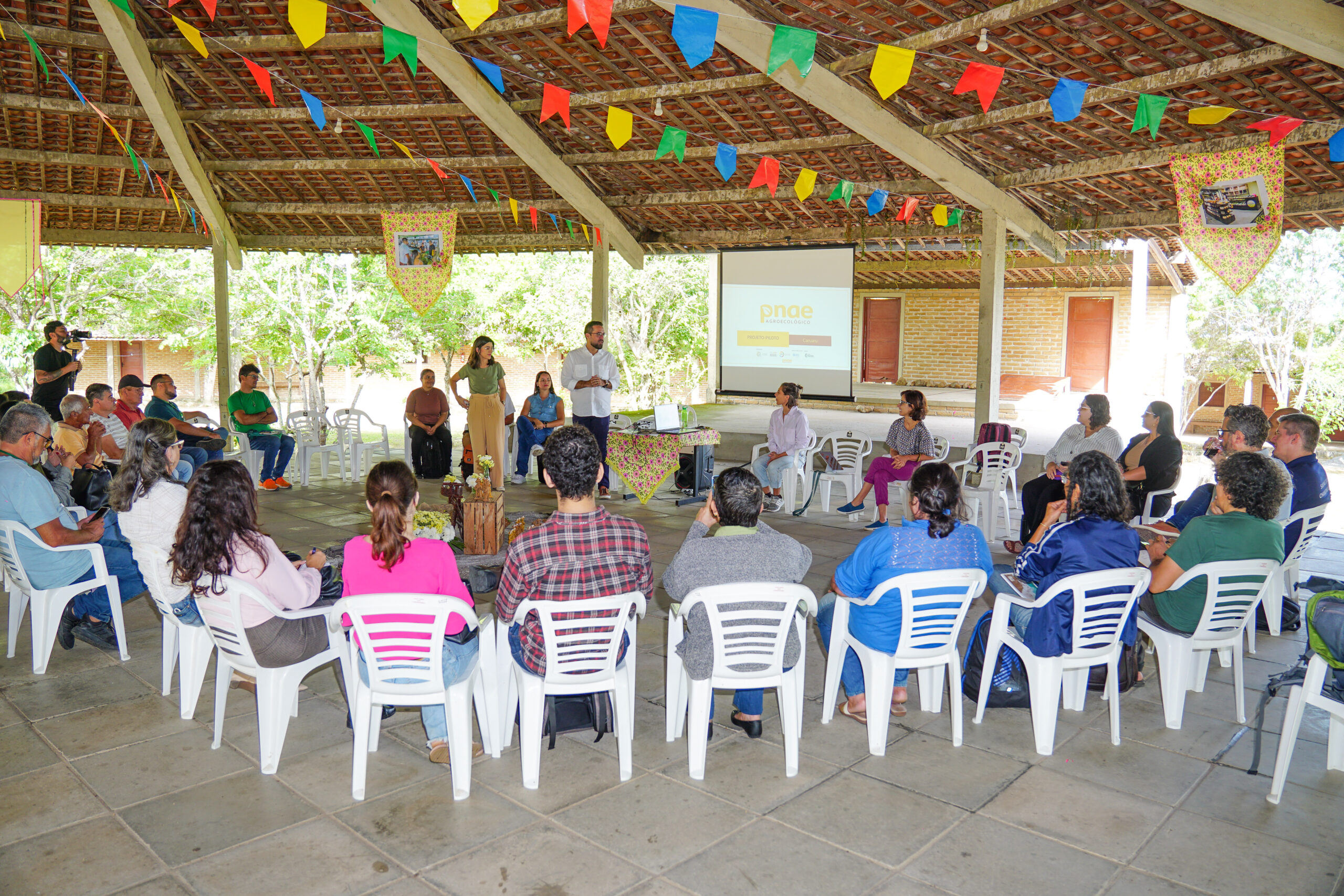
- Caruaru/PE
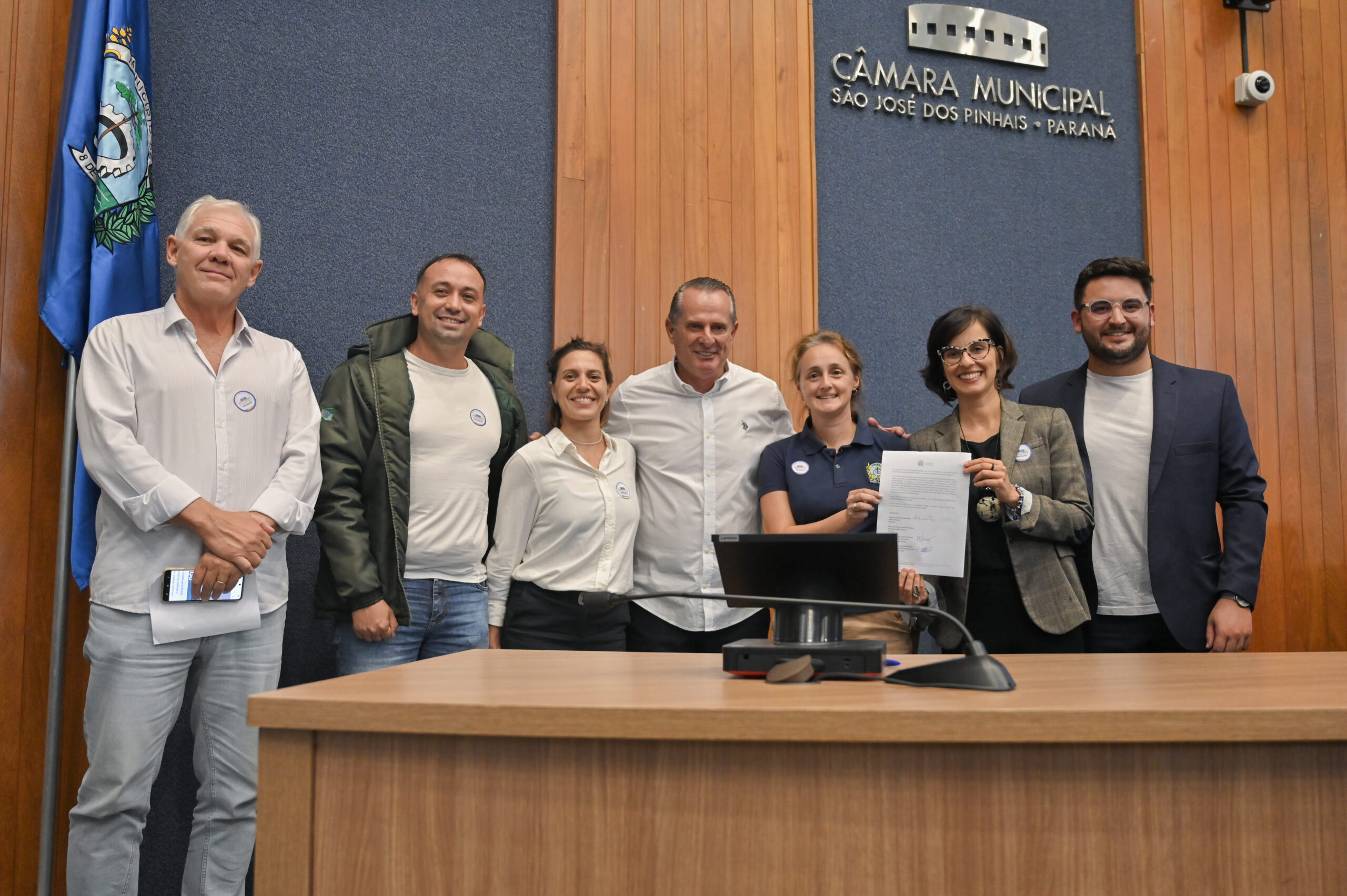
- São José dos Pinhais/PR
- Barcarena/PA, Abaetetuba/PA, Marituba/PA and Benevides/PA (collective participation)
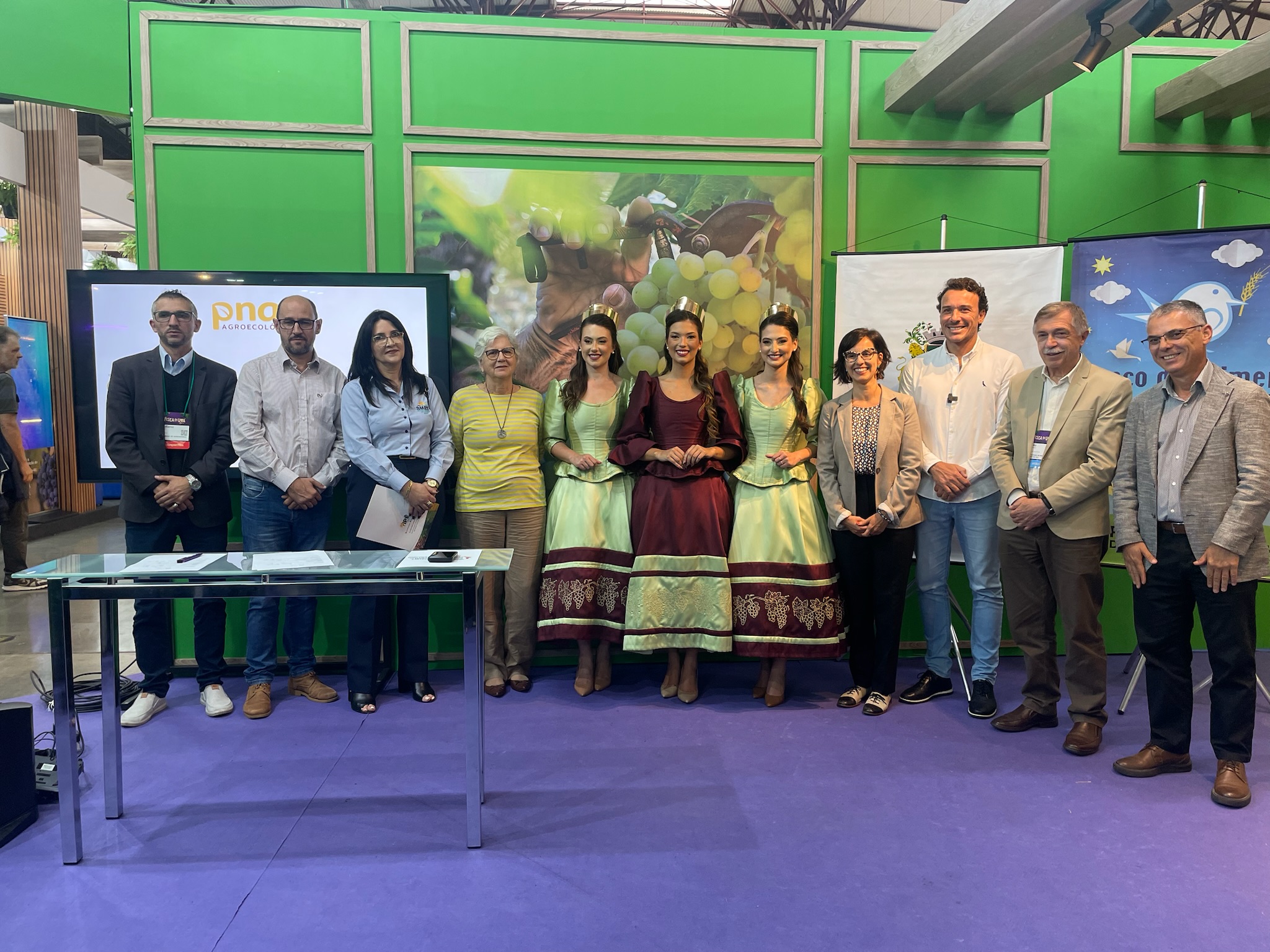
- Caxias do Sul/RS, Antônio Prado/RS, Ipê/RS, Montenegro/RS and Porto Alegre/RS (collective participation)
For Juliana Tângari, director of Comida do Amanhã, there was a surprising volume of cities willing to join the project, and it was very difficult to select among so many municipalities and regions well classified in this process. “We are confident that incredible work will be carried out in the selected cities, and that the large group of cities that applied for this process can form a true national coordination community to advance a more agroecological approach to school feeding”, she emphasized.
As a way of including the non-selected municipalities, a coordination effort was set up by the PNAE Agroecológico to acknowledge and value their commitment to agroecology and to food and nutrition security. This group, coordinated by the Comida do Amanhã Institute, will bring together all the cities that have shown interest in the project, creating a permanent space for exchanging experiences and strengthening agroecological transition actions in school meals.
The director of Regenera Institute, Fabrício Muriana, emphasized his surprise with the large number of cities interested in refining the implementation of their school meals as to include more local producers, more agroecological foods and more well-nourished students. “Everything suggests that municipalities are increasingly concerned with climate issues, with biodiversity conservation and with generation of income and stimulation of the local economy”.
From now on, the selected cities will participate in the initial phase of the project, which includes developing detailed diagnoses of their agri-food systems, production modes and public procurement policies. Based on these studies, proposals (pilot projects) will be prepared to facilitate the acquisition of agroecological products for school meals, promoting a sustainable model that can be scaled up nationally.
Share!
To learn more
Keep learning with other related articles