The Comida do Amanhã Institute, in partnership with Regenera Institute and Fome Zero Institute (IFZ), with institutional support from the Center of Excellence against Hunger of the World Food Programme (WFP) in Brazil and the [...]
WRITTEN BY COMIDA DO AMANHÃ
on 16/12/2025
|
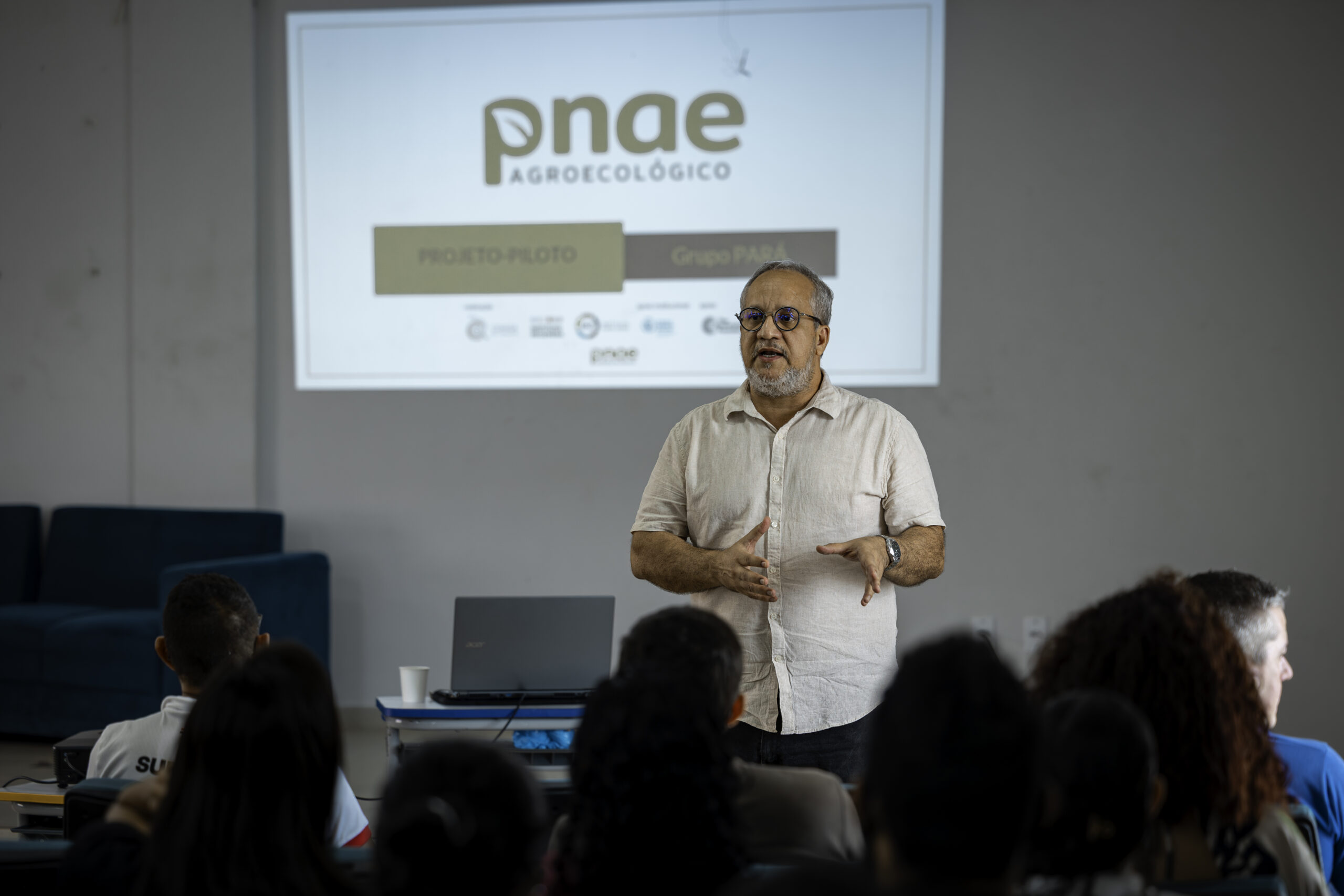
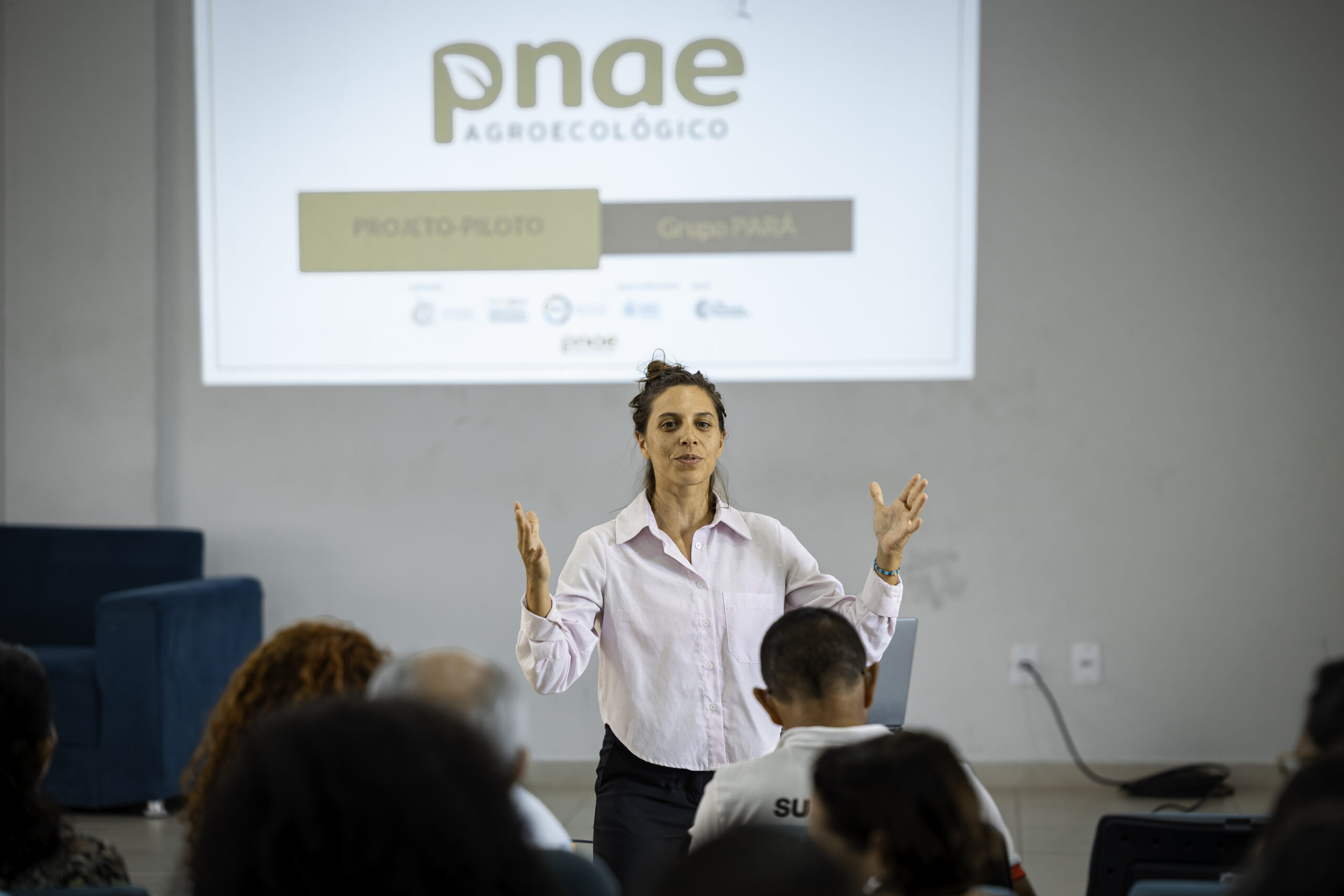
The Comida do Amanhã Institute, in partnership with Regenera Institute and Fome Zero Institute (IFZ), with institutional support from the Center of Excellence against Hunger of the World Food Programme (WFP) in Brazil and the Rockefeller Foundation, announces the opening of the selection of up to four Brazilian cities for the PNAE Agroecológico project.
The initiative aims to boost the transition to agroecological production of family farming in Brazil, using the National School Meals Program (PNAE) as a central tool for this transformation. The public call seeks to identify municipalities willing to commit to this agenda and to strengthen their public policies to promote healthy, locally sourced and sustainably produced food.
For Juliana Tângari, director of Comida do Amanhã, this is a major opportunity for cities that prioritize providing healthy food in their public schools, while promoting sustainable local development and leading actions to foster the ecological transition in their municipalities. “PNAE Agroecológico offers a chance for advice and unique support for these cities”, she highlighted.
Eligible participants include cities in the states of Pará, Ceará, Paraíba, Pernambuco, São Paulo, Paraná and Rio Grande do Sul, as well as the Federal District and surrounding areas, which meet specific criteria such as having at least 50,000 inhabitants and at least 2,000 students enrolled in the municipal public school system, and that already present initiatives aimed at agroecological production and demonstrate a commitment to using PNAE resources to purchase food from family farming.
“School feeding plays a key role in combating hunger and food insecurity, especially among children and adolescents. Regular and nutritious meals ensure access to essential nutrients for physical and cognitive development, preventing undernutrition and improving school performance. PNAE Agroecológico is an opportunity for these municipalities to further strengthen their local food culture and to promote food sovereignty, contributing to a fairer and more sustainable food system”, believes José Graziano da Silva, founder of the Fome Zero Institute.
The selected cities will take part in the initial phase of the project, which includes the development of detailed diagnoses on their food systems, modes of production and public procurement policies. Based on these studies, proposals will be prepared to facilitate the purchase of agroecological products for school meals, promoting a sustainable model that can be expanded nationally.
Applications are open until February 26, and the public notice can be accessed at the link below. The selection results and the start of project activities will take place from March onward.
For Daniel Balaban, director of the WFP’s Center of Excellence Against Hunger in Brazil, actively participating in a project integrating regenerative agriculture into school meals is a unique opportunity to transform the future. “This project allows us to place our cities as leaders in sustainability and innovation, achieving global recognition for their commitment to education and to the environment.”
With this initiative, PNAE Agroecológico seeks not only to promote agroecology leveraged by school meals, but also to create a model to influence public policies and regulations at the national level.
Share!
To learn more
Keep learning with other related articles