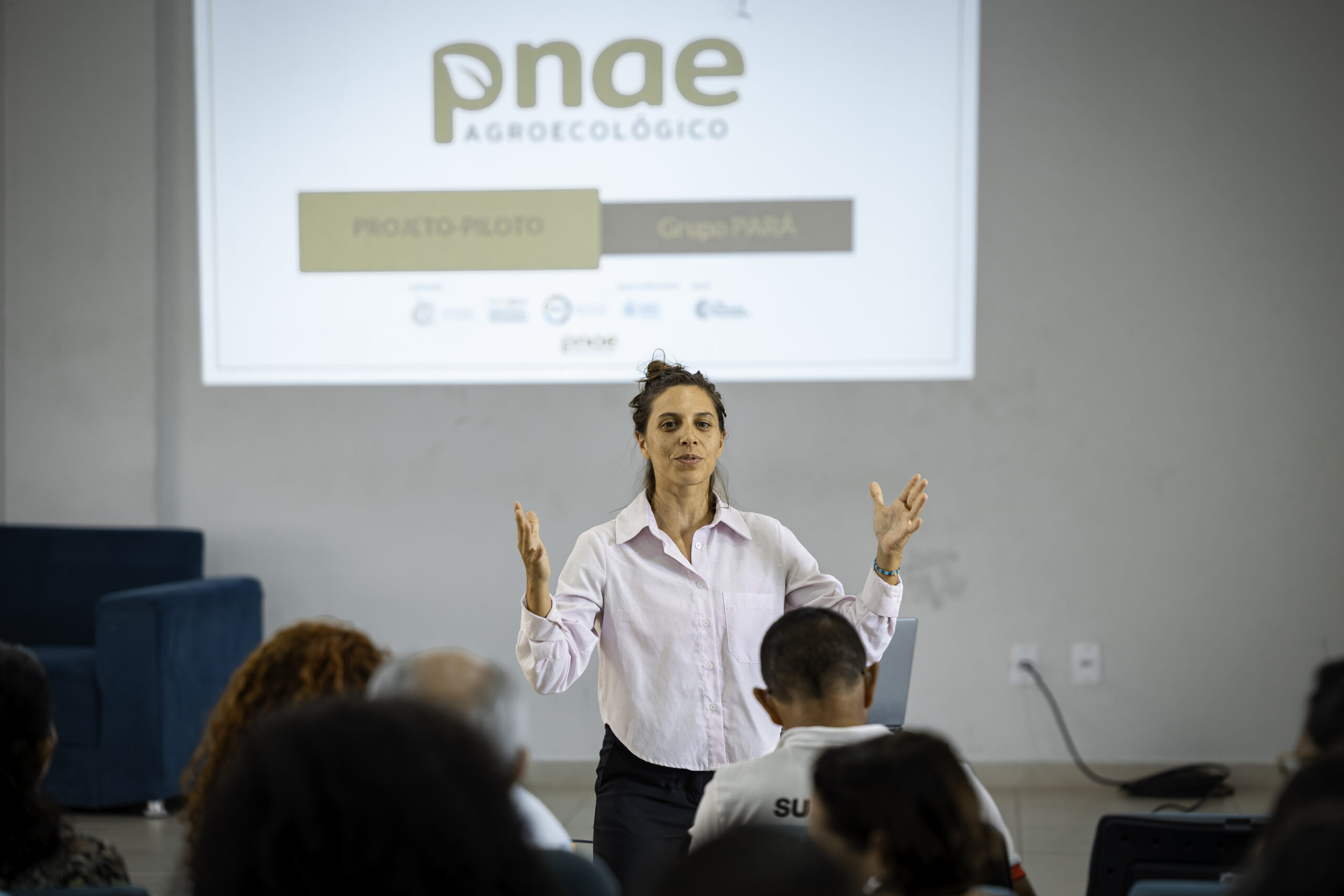
The initiative will be presented on February 26 at the event pavilions, with mayors, farmers, and representatives from industry organizations in attendance. The expansion of school meals based on agroecology will gain a new chapter [...]
WRITTEN BY COMIDA DO AMANHÃ
on 27/02/2026
|
The initiative will be presented on February 26 at the event pavilions, with mayors, farmers, and representatives from industry organizations in attendance.
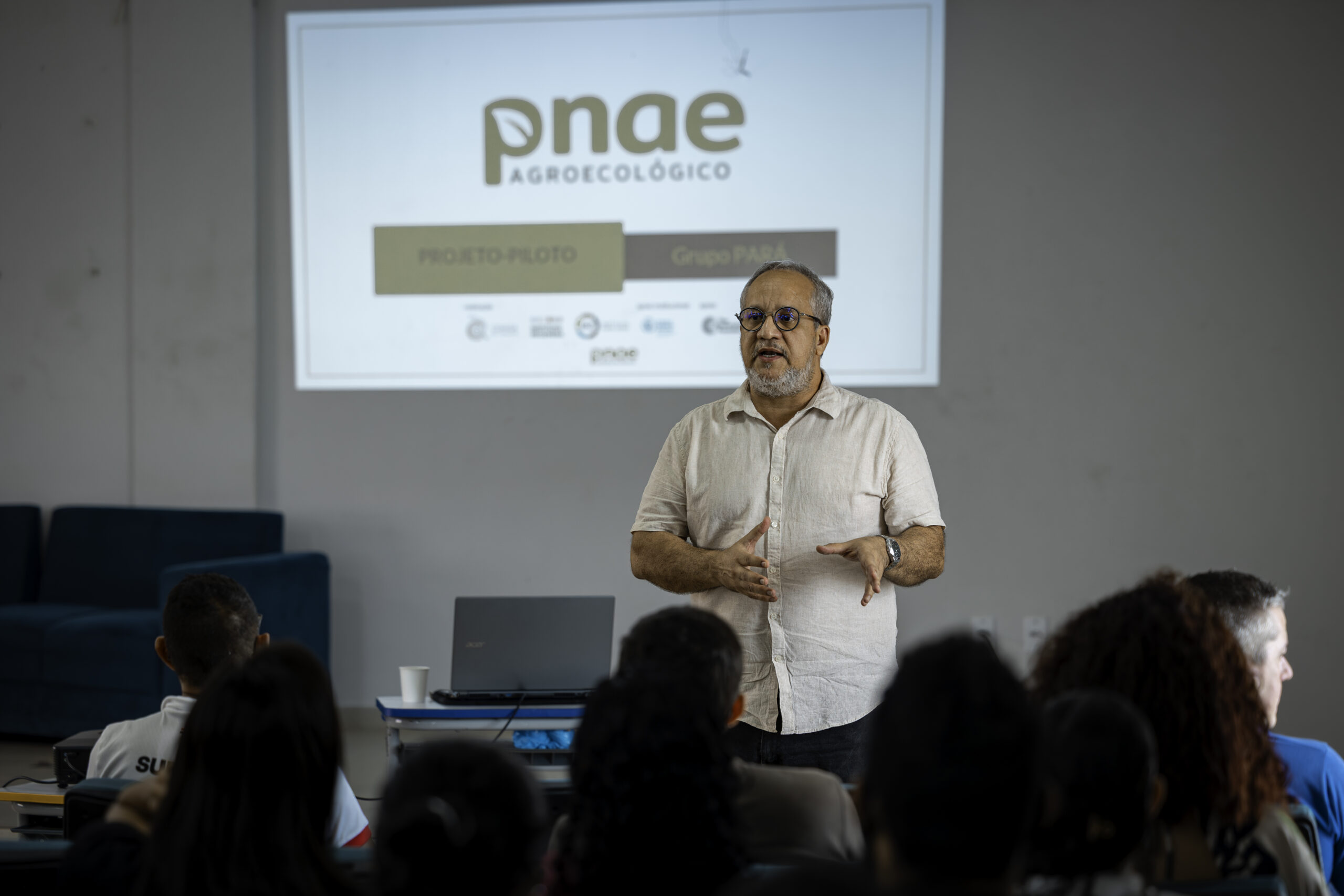
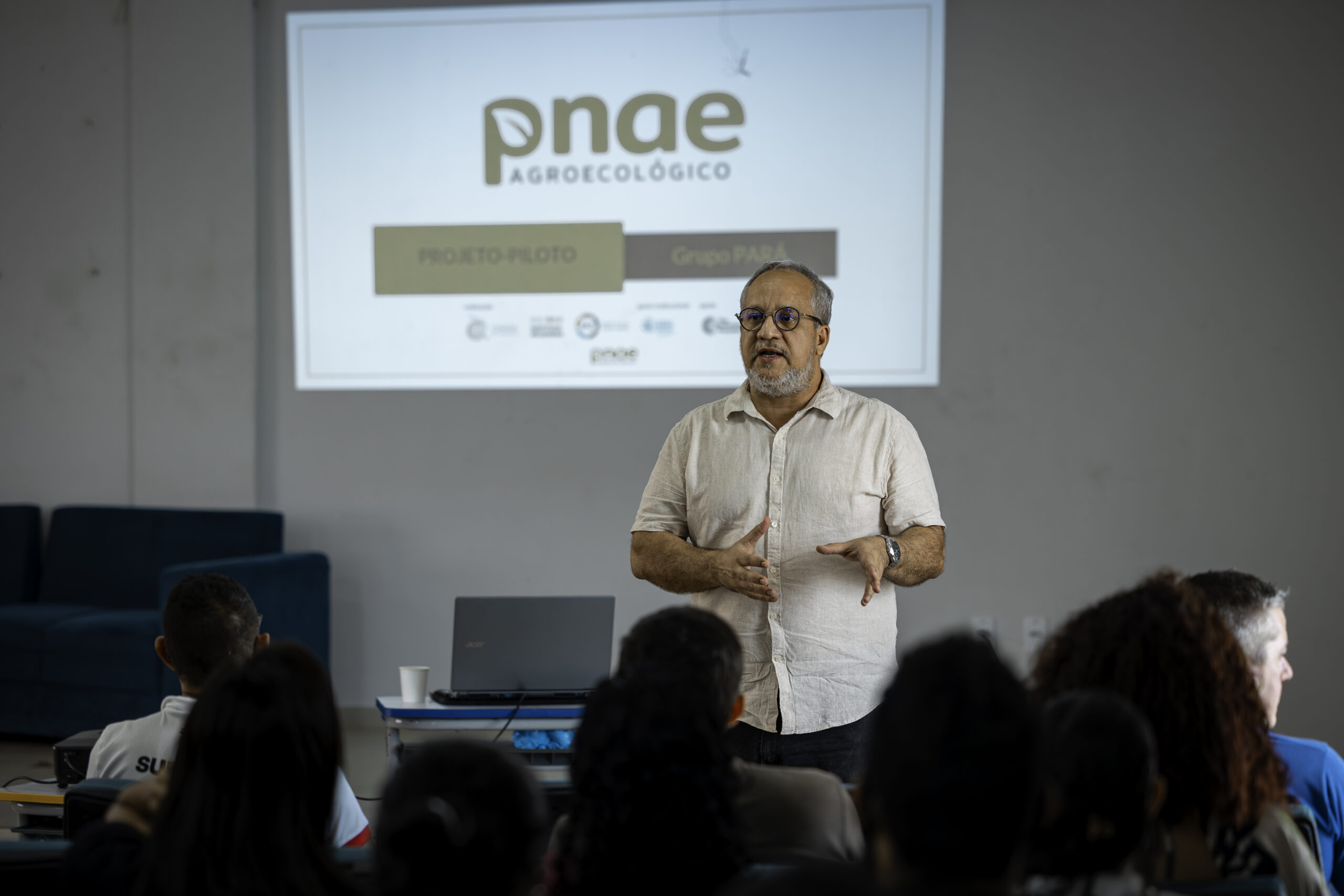
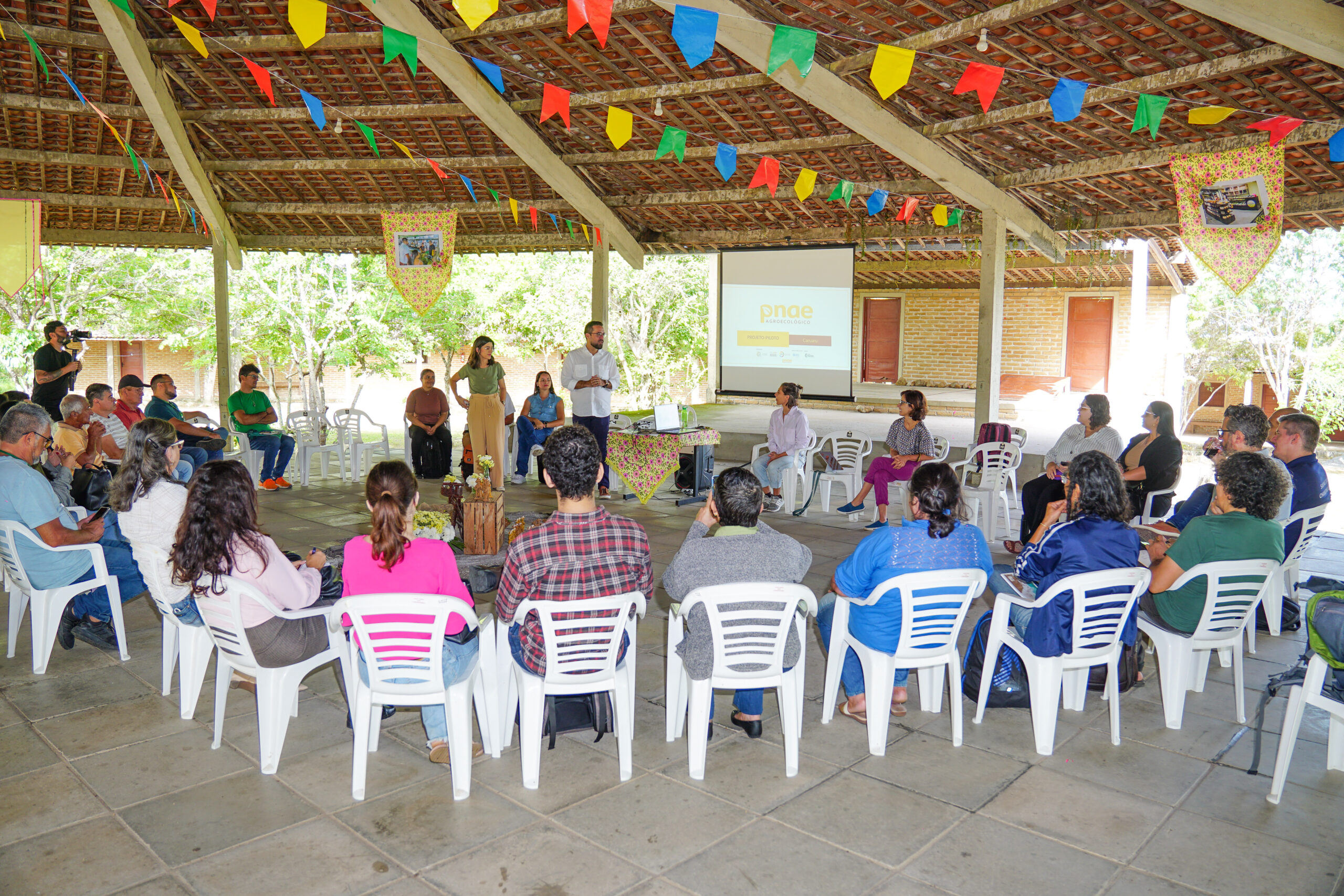
The expansion of school meals based on agroecology will gain a new chapter in the municipalities of Antônio Prado, Caxias do Sul, Ipê, Montenegro, and Porto Alegre, in Rio Grande do Sul, on February 26, starting at 2 p.m., with the launch of the Agroecological PNAE, in a ceremony held at the Festa da Uva pavilions. The initiative is led nationally by the Food of Tomorrow Institute, in partnership with the Zero Hunger Institute (IFZ) and the World Food Programme (WFP) Centre of Excellence against Hunger in Brazil and the Rockefeller Foundation, and in Rio Grande do Sul, in partnership with CETAP – Centre for Popular Alternative Technologies and the Ecological Centre.
The event will bring together mayors from participating municipalities, farmers, technical teams, and representatives from partner organizations, connecting agroecological production to school meals. In total, 90 farming families will directly benefit, with a focus on strengthening family farming, agroecological transition, and, ultimately, offering healthier meals in municipal schools.
“It is very important that municipalities take the lead in promoting healthy eating and supporting ecological family farming. The municipalities of Antônio Prado, Caxias do Sul, Ipê, and Porto Alegre show that it is indeed possible to invest in sustainable local development by promoting ecological practices in local food production and connecting with school meal provision,” said Juliana Tângari, director of the Comida do Amanhã Institute.
With an expected duration of four years, the Agroecological PNAE seeks to influence national public policies and consolidate a prototype of policies with the potential for replication to increase the supply of healthy foods in school meals, based on the strength of the municipalities.
Programming and commitments
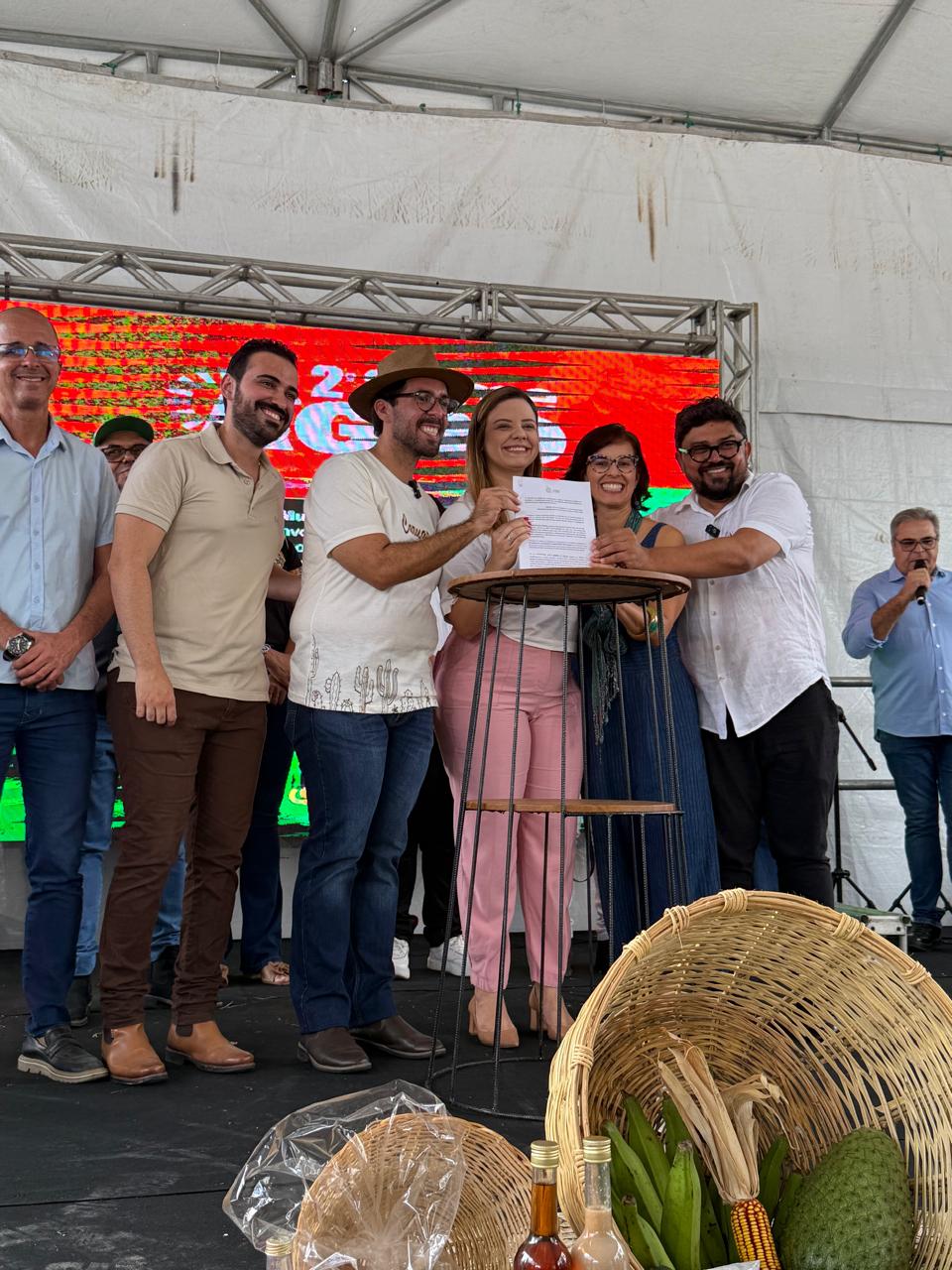
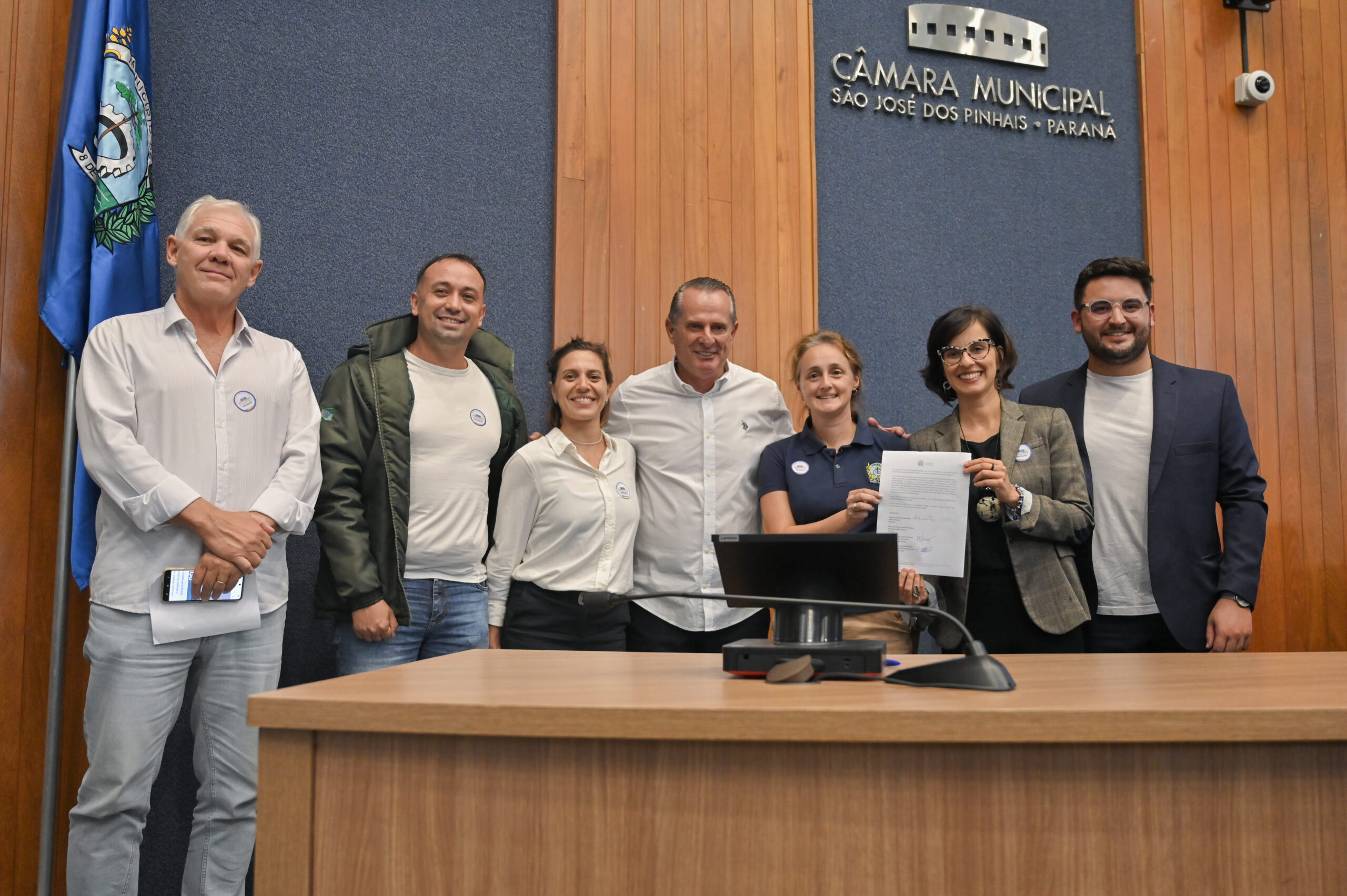
The program for the launch of the Agroecological PNAE includes the signing of an addendum between the participating municipalities and the Comida do Amanhã Institute, as well as a roundtable discussion on the importance of agroecology for the territory. Speeches by representatives of city governments and the project team are also planned, including a presentation on the objectives and goals for the next three years.
Among the topics highlighted are the presentation of Comida do Amanhã and the Agroecological PNAE, as well as details on how families will benefit from the initiative. The program also addresses the relevance of quality school meals for child development and strengthening the local economy, the importance of agroecology as a model for healthier and more sustainable food production, the achievements already made by municipalities in public food and food production policies, and, finally, the commitment of municipal administrations to the implementation and consolidation of the project over the next three years.
Grape Festival will feature agroecological grapes
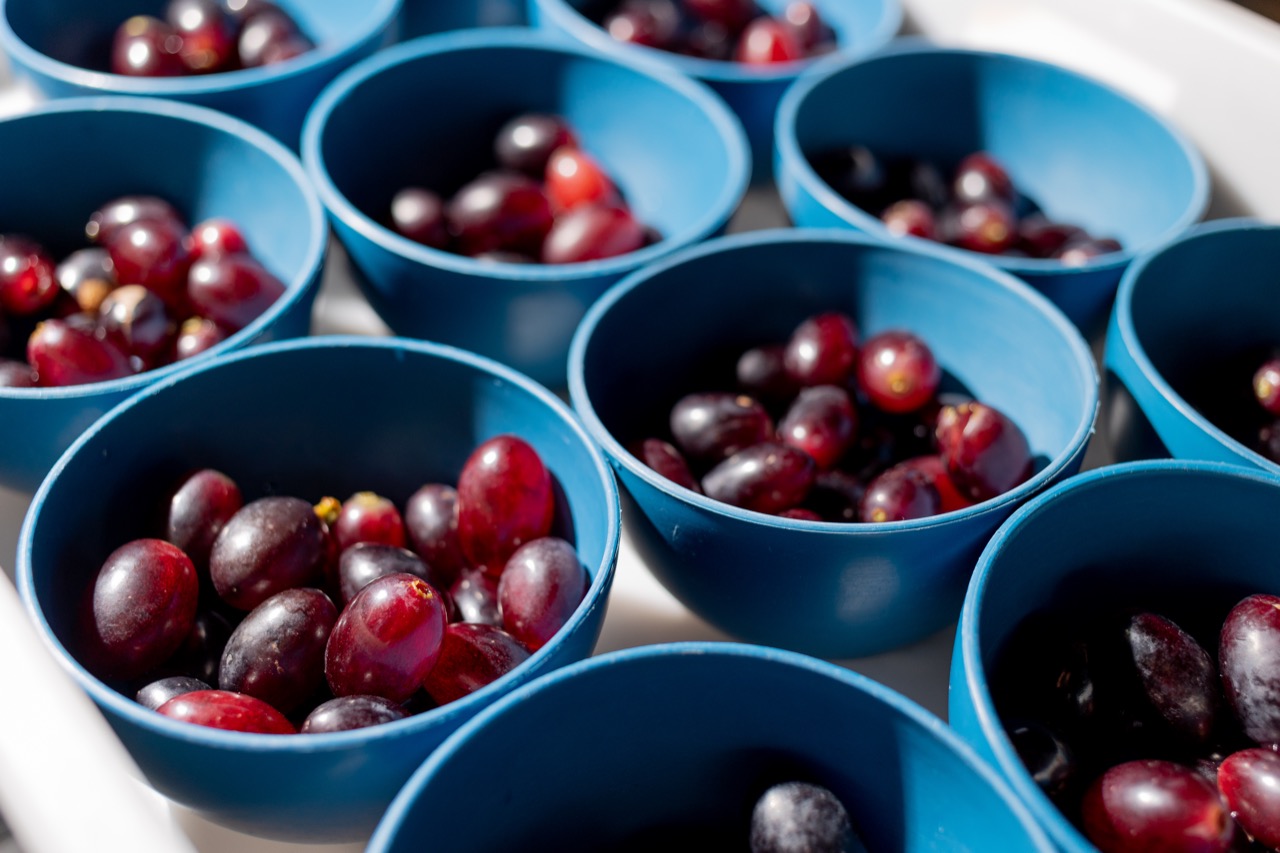
For the first time, during the Grape Festival, the municipality of Caxias do Sul will distribute organically grown grapes to the public, with a focus on replacing chemical inputs with natural alternatives. The distribution of grapes will be concentrated on the day itself, both in the Pavilions and in the event’s Scenic Parade.
About eight tons of organic grapes were purchased for this year’s edition, out of a total of approximately 130 tons of fruit that will be offered to the public. The presence of organic production reinforces the agenda of valuing family farming and sustainable production in the territory.
Agroecology, unlike the organic system, adopts a systemic approach that integrates environmental sustainability, biodiversity, and social aspects, promoting healthier food production and sustainable local development.
About the Comida do Amanhã Institute
The Comida do Amanhã Institute is a think tank that works to transition to healthy food systems for people and the planet, starting in cities. Learn more at www.comidadoamanha.org.
Share!
To learn more
Keep learning with other related articles