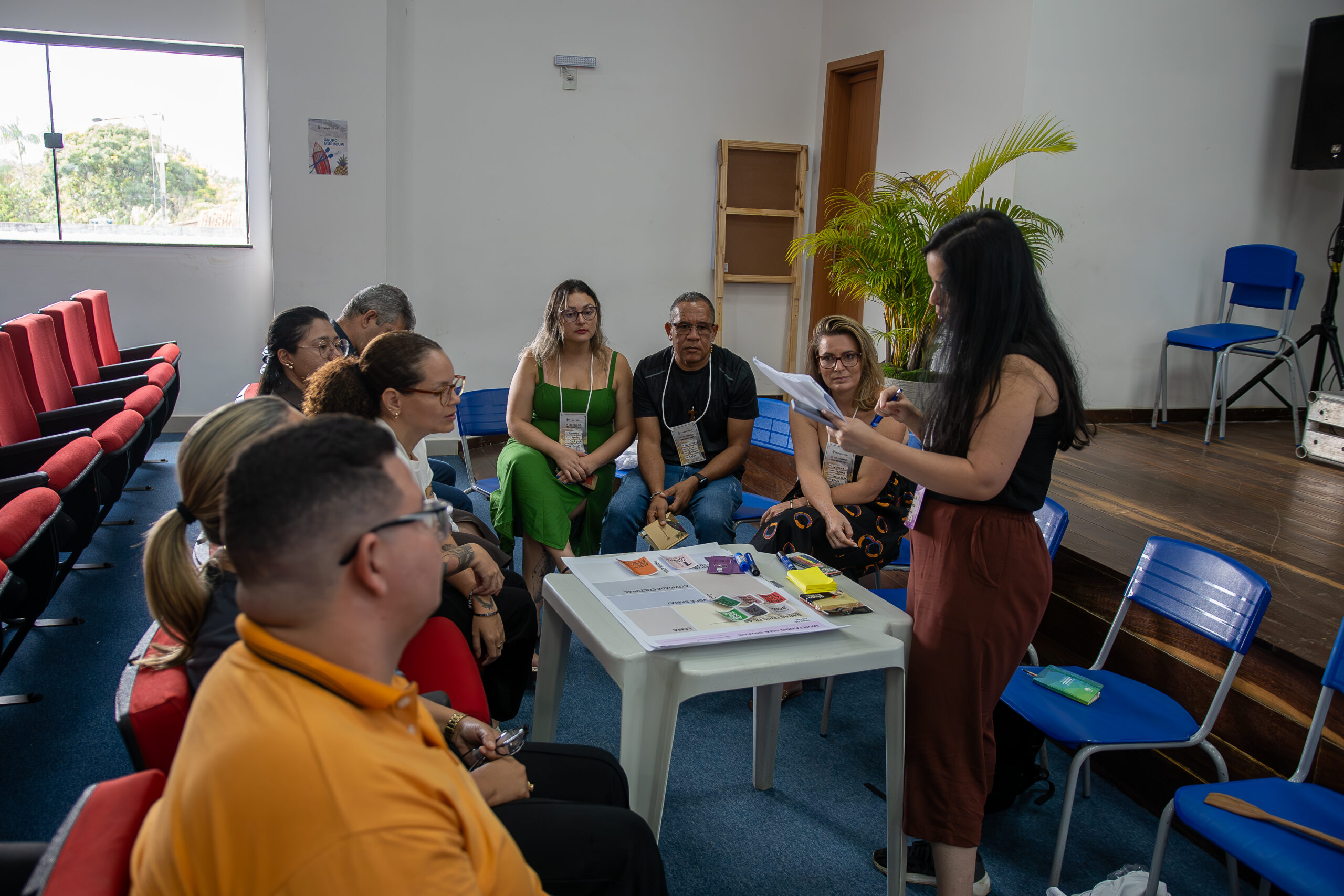
The Food of Tomorrow Institute is helping to build the Curitiba Food Systems Laboratory, an initiative of the Curitiba City Government—the mentor city for LUPPA—which aims to bring together different stakeholders to share knowledge, experiences, [...]
WRITTEN BY COMIDA DO AMANHÃ
on 28/09/2026
|
The Food of Tomorrow Institute is helping to build the Curitiba Food Systems Laboratory, an initiative of the Curitiba City Government—the mentor city for LUPPA—which aims to bring together different stakeholders to share knowledge, experiences, and initiatives related to food systems.
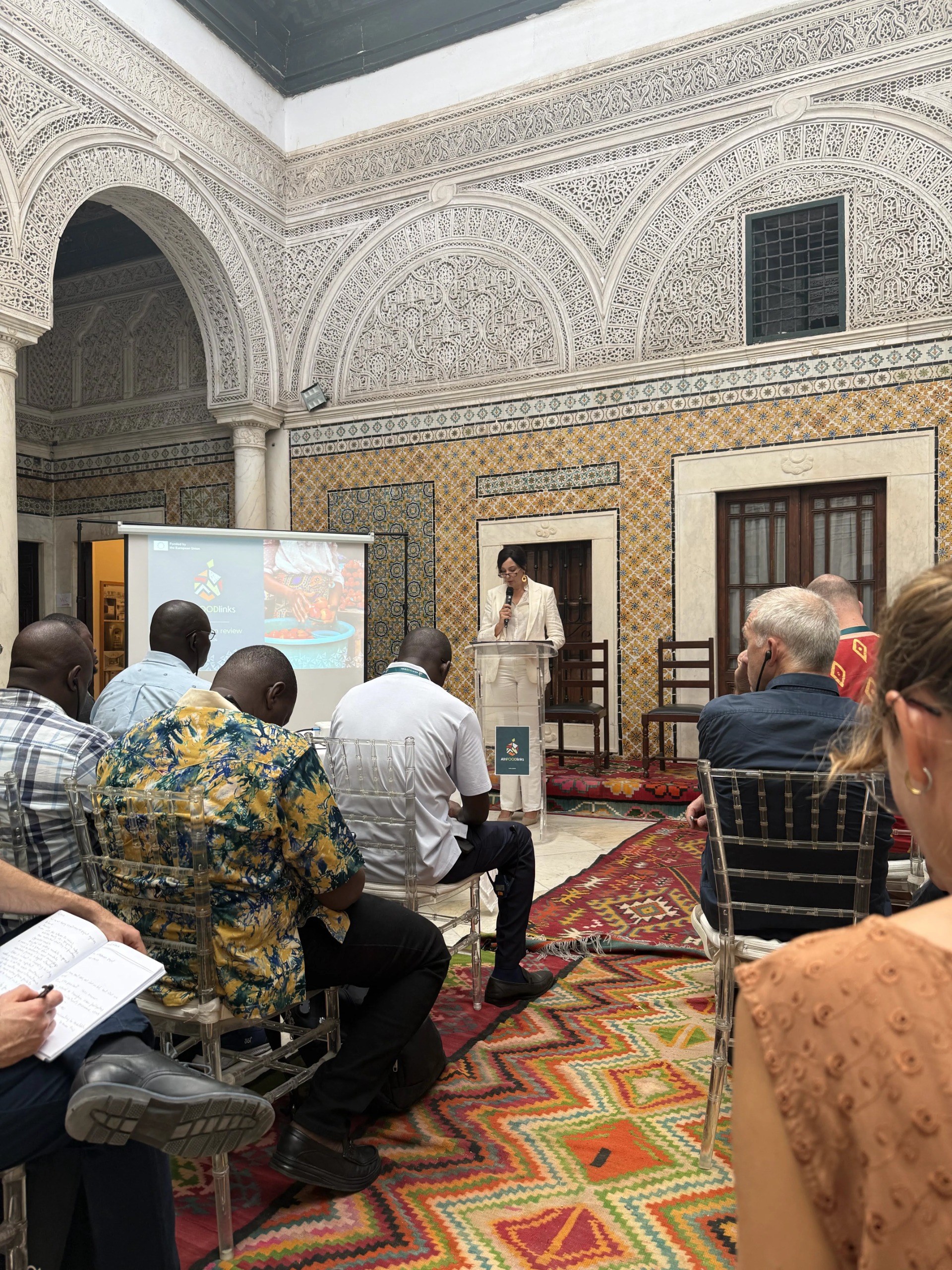
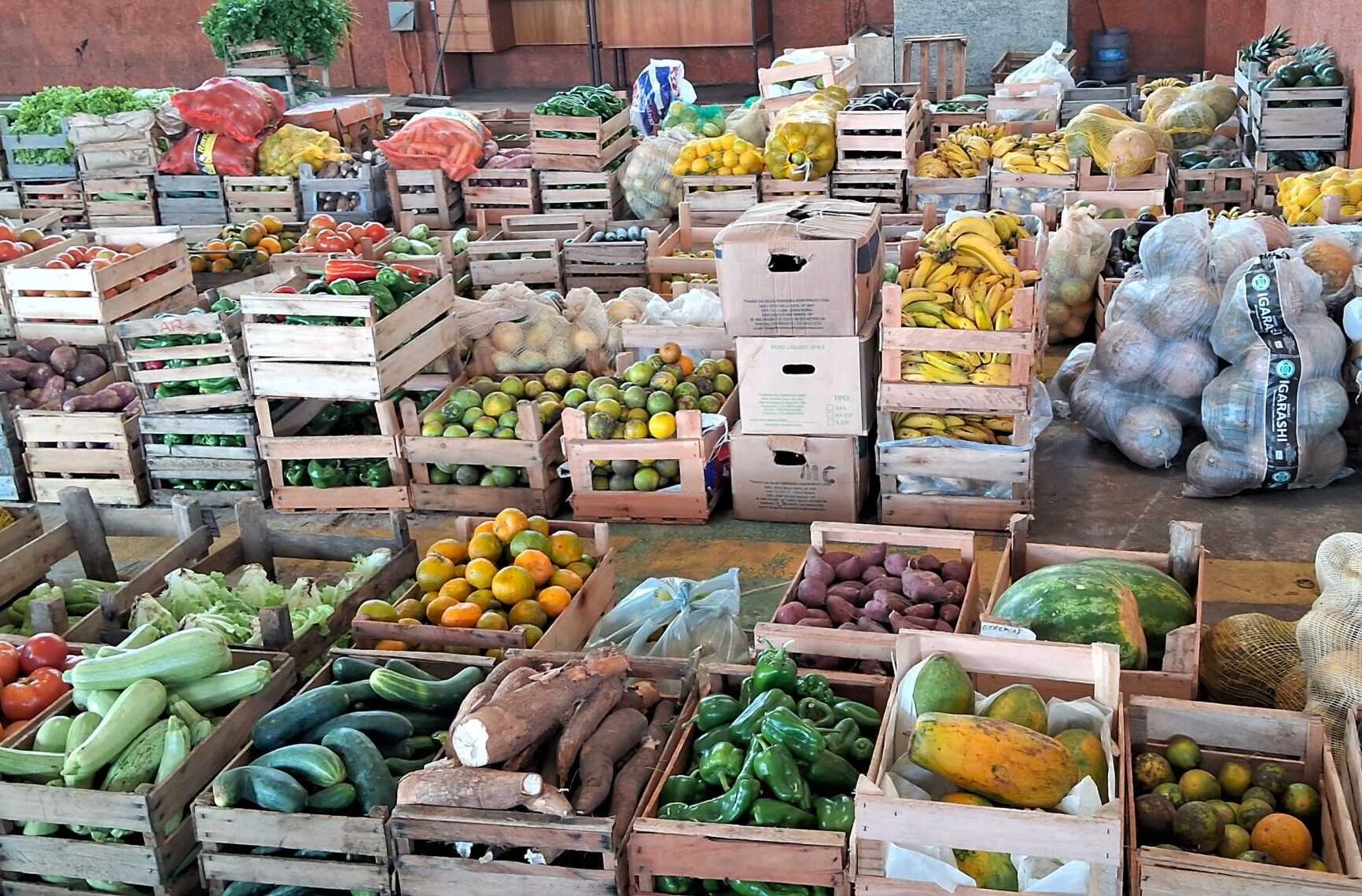
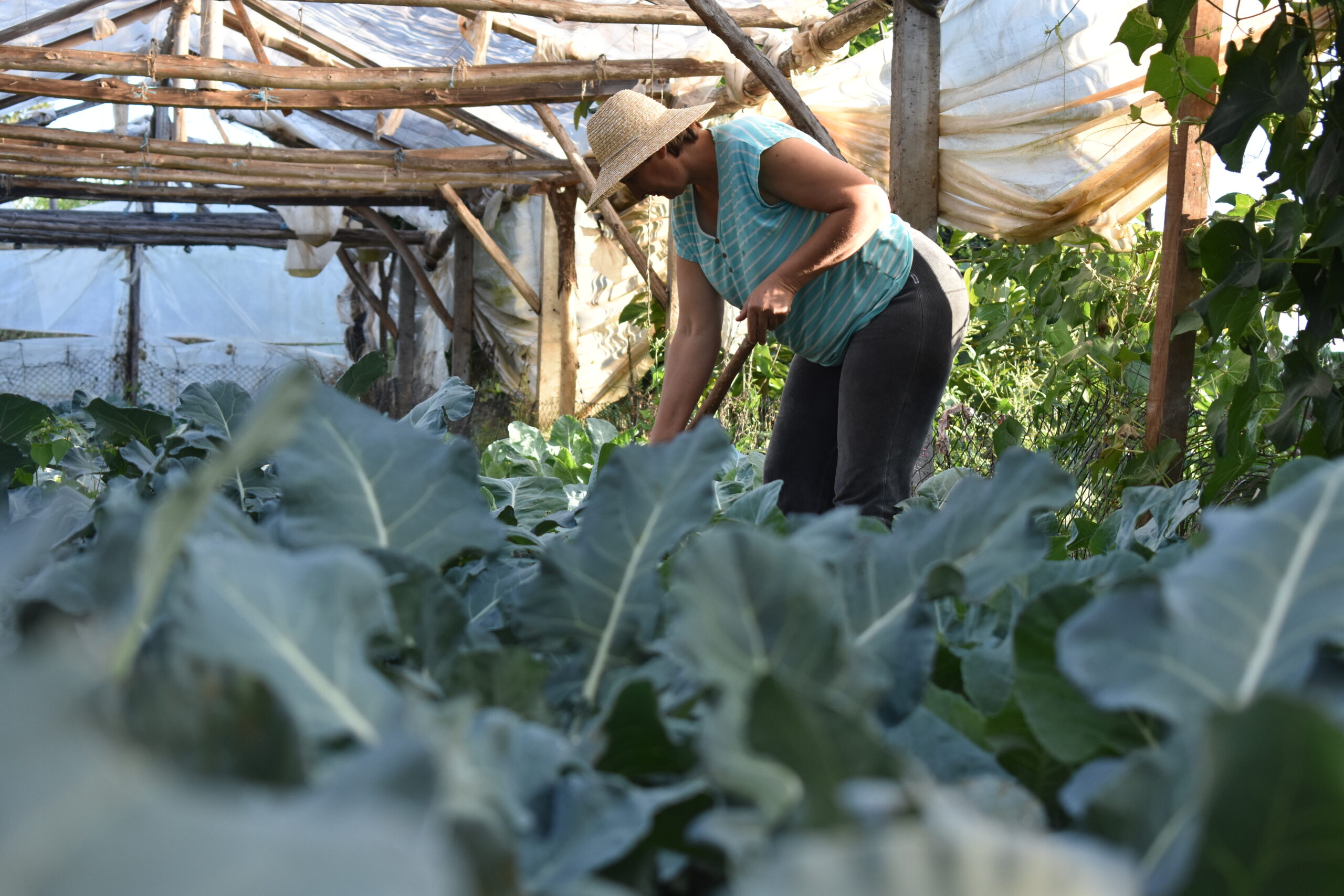
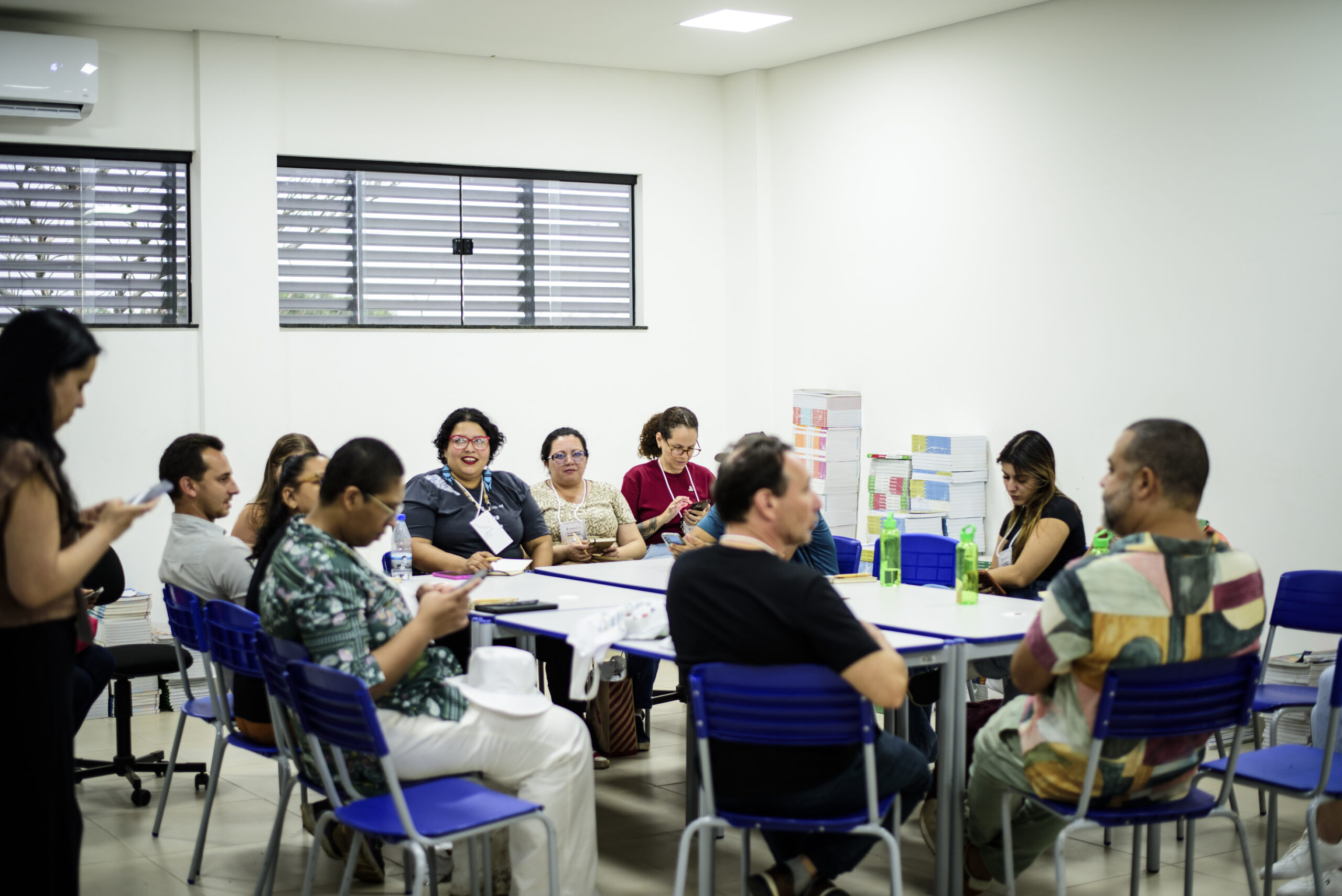
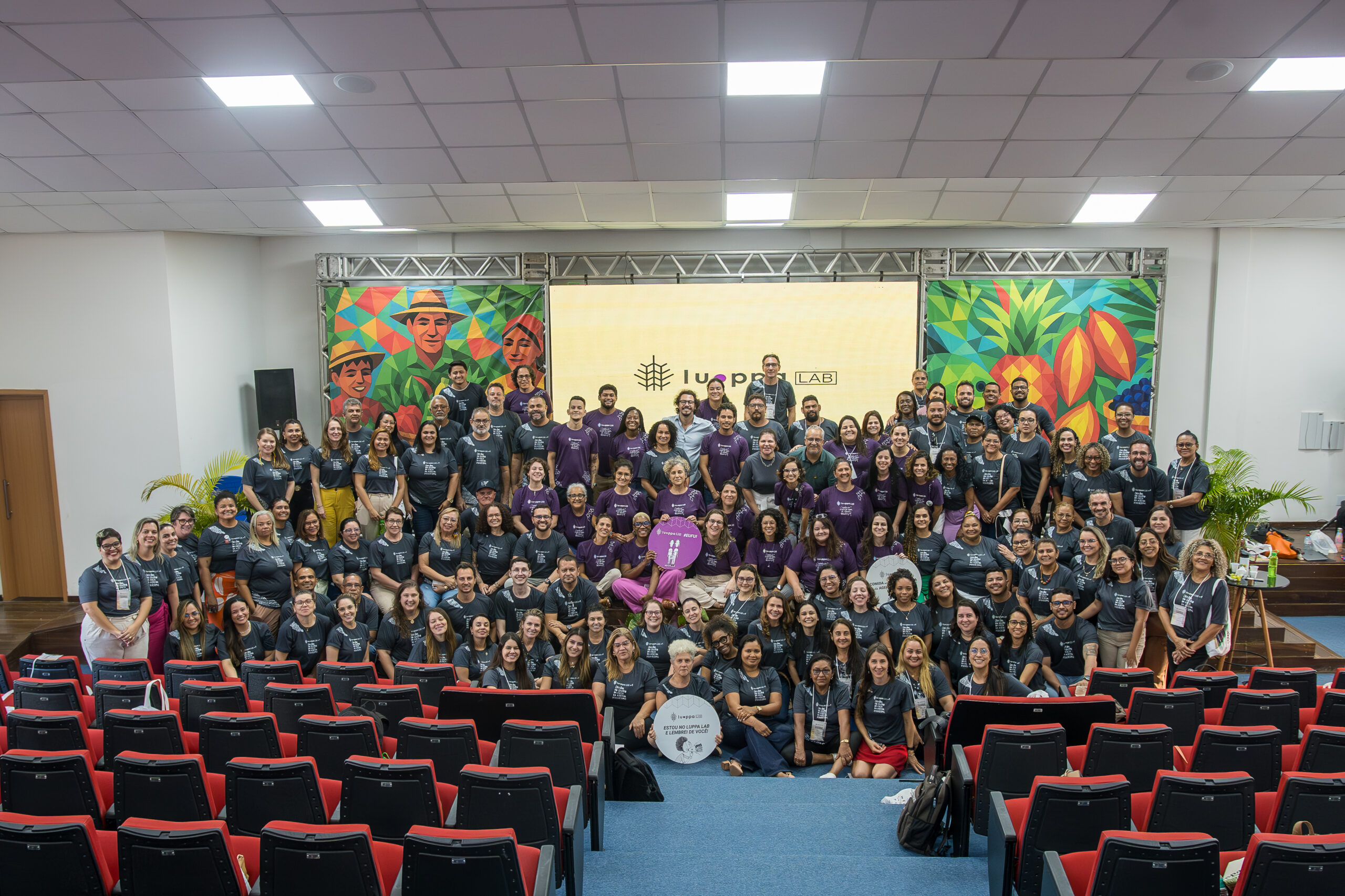
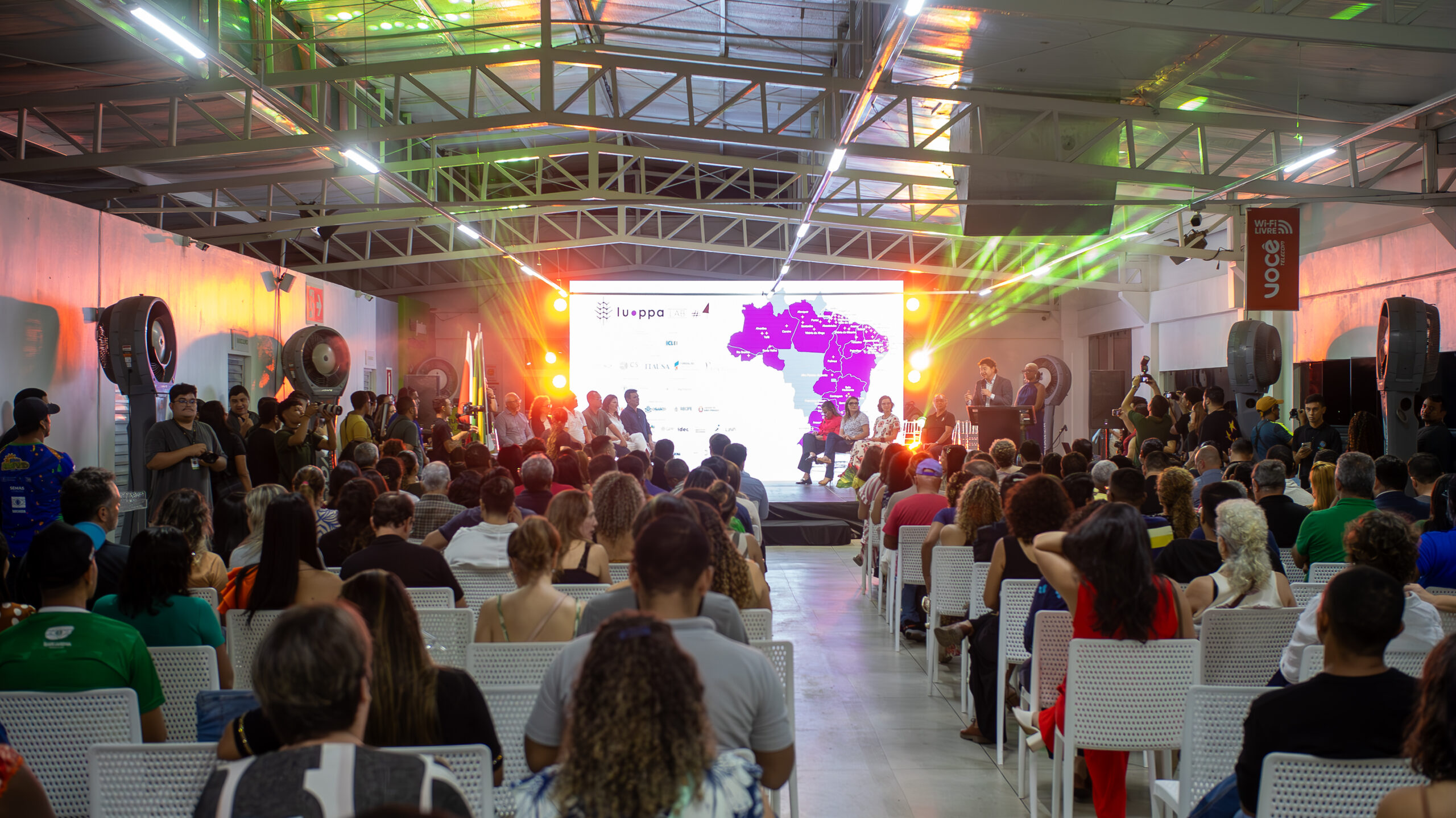
The Laboratory’s first workshop took place on September 2 at the CIC Urban Farm, and the second on September 23 at the Curitiba Municipal Market. The meeting, organized by the Municipal Secretariat for Food and Nutritional Security (SMSAN) in partnership with the Curitiba Institute for Urban Research and Planning (Ippuc), brought together representatives from government, universities, the private sector, businesses, and civil society.
The goal is to build a common knowledge base and identify the actors already active in different stages of food systems, creating connections that can contribute to the Laboratory’s development. Topics include food production, distribution, access, consumption, and sustainability.“The Laboratory was created with this focus on connection. We want to gain a deep understanding of what is already being done in the region, prevent knowledge and initiatives from remaining isolated, and build bridges between researchers, producers, technology developers, public policy makers, and those on the ground,” explains Felipe Thiago de Jesus, director of the Department of Food and Nutritional Security Strategies at SMSAN.
Comida do Amanhã’s participation is part of a process that has been collaboratively developed with the Curitiba City Government, drawing on the experience of the capital of Paraná—as a mentor city—alongside the LUPPA community. The institute’s Public Policy Analyst, Maria Eduarda Lemos, represented the organization at the workshops and highlights the importance of intersectoral collaboration in developing effective public policies.
“LUPPA works precisely with this perspective of coordination, exchange of experiences, and collective development among municipalities. And accompanying Curitiba in this process also allows us to bring back to LUPPA the lessons learned about how a city is approaching its governance, its policies, and its strategies for food systems, while at the same time LUPPA can contribute by sharing with the Curitiba Laboratory the accumulated experience of a network of municipalities, offering different solutions and insights for this process,” she notes.
Share!
To learn more
Keep learning with other related articles